Inside China’s ‘Manhattan Project’: China Moves Closer to Chip Self-Reliance With Secret EUV Prototype

TechRepublic — Artificial IntelligenceThursday, December 18, 2025 at 3:47:42 PM
  • China is advancing its efforts toward chip self-reliance by testing a secret extreme ultraviolet (EUV) lithography prototype, a critical technology for semiconductor manufacturing, amid increasing export controls and rising demand for artificial intelligence (AI) technologies.
  • This development is significant as it represents a pivotal step for China in reducing its dependency on foreign technology, particularly in the semiconductor sector, which is essential for powering AI applications and other advanced technologies.
  • The move comes at a time when the U.S. is loosening restrictions on the export of AI chips to China, reflecting a complex interplay of competition and collaboration in the global tech landscape, as China also seeks to bolster its domestic chip production capabilities in response to international pressures.
— via World Pulse Now AI Editorial System
Was this article worth reading? Share it

Recommended apps based on your readingExplore all apps
Continue Readings
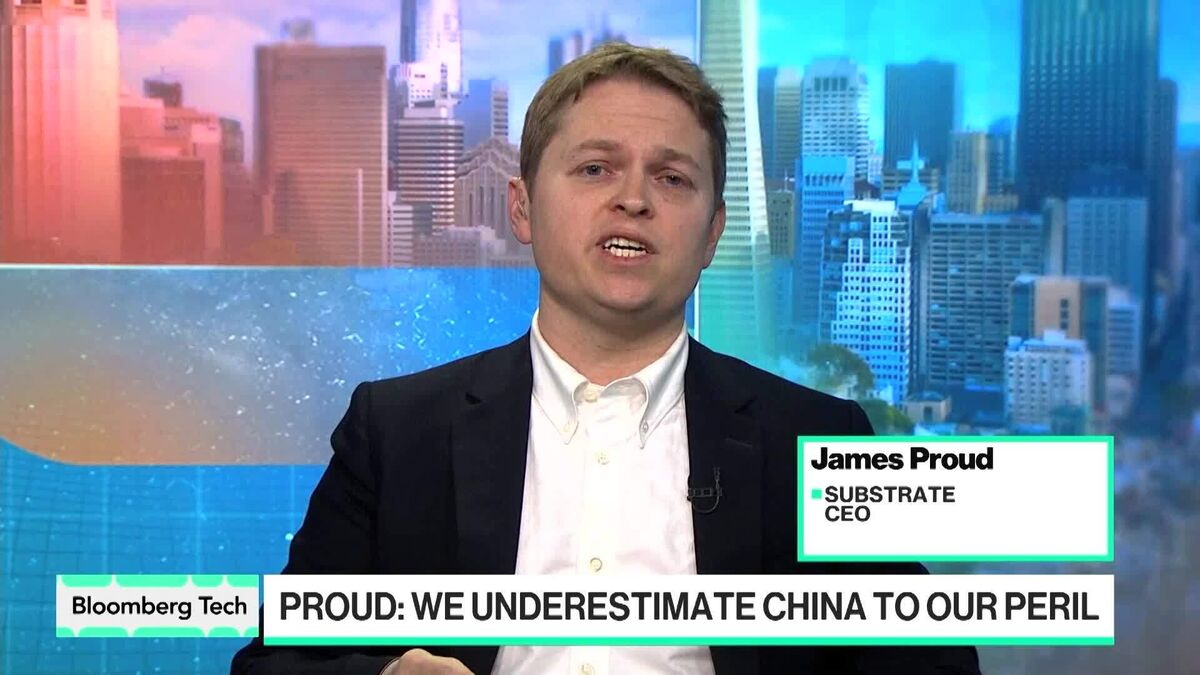
US Shouldn’t Underestimate China: Substrate’s Proud
NeutralArtificial Intelligence
James Proud, founder and CEO of Substrate, emphasized the need for the U.S. to adopt a 'leap-ahead' strategy in the AI race against China during an interview on Bloomberg Tech. He highlighted the increasing competition in artificial intelligence between China and the West, urging for proactive measures to maintain technological leadership.
China may have reverse-engineered an EUV machine, a big step toward chip self-sufficiency
PositiveArtificial Intelligence
China has reportedly reverse-engineered an extreme ultraviolet (EUV) lithography machine, a significant advancement in its semiconductor manufacturing capabilities. The project, completed in early 2025, involved a team of former ASML engineers and marks a pivotal step toward achieving chip self-sufficiency in the country.
What Microsoft’s 2026 Product Plans Reveal About Its AI Push
NeutralArtificial Intelligence
Microsoft has outlined its product plans for 2026, emphasizing a significant push towards artificial intelligence (AI) with a focus on expanding AI agents, enhancing Microsoft 365, and investing in global infrastructure. This strategy reflects the company's commitment to integrating AI into its core offerings, aiming to improve user experience and operational efficiency.
China reportedly has a prototype EUV machine built by ex-ASML employees
NeutralArtificial Intelligence
China has reportedly developed a prototype extreme ultraviolet (EUV) lithography machine, constructed by former employees of ASML, a leading Dutch semiconductor equipment manufacturer. This development signifies a notable advancement in China's capabilities in semiconductor technology, particularly in producing advanced chips essential for various applications.
Meta knowingly took in billions from scam ads on Facebook and Instagram, says Reuters
NegativeArtificial Intelligence
An investigation by Reuters revealed that Meta generated over $3 billion from scam advertisements on Facebook and Instagram in China last year, which accounted for nearly 19% of its total ad revenue from the region. The ads promoted illegal gambling, pornography, and other inappropriate content, raising serious ethical concerns about the company's advertising practices.
Power Is the New Gold Rush for AI Data Centers
NeutralArtificial Intelligence
The demand for artificial intelligence (AI) technologies is driving a new gold rush for data centers, with power availability becoming a critical factor in their location. Companies are increasingly prioritizing proximity to energy sources over traditional considerations like closeness to urban centers.
Elizabeth Warren, Other Senators Probe Whether AI Data Centers Are Driving Up US Electricity Costs
NegativeArtificial Intelligence
Elizabeth Warren and other U.S. senators are investigating whether the rising electricity costs faced by 70% of American households are linked to the energy demands of artificial intelligence (AI) data centers. The inquiry comes amid growing public concern over the environmental impact of AI technologies and their contribution to increased utility expenses.
The “anti-Shein” bandwagon gains momentum
PositiveArtificial Intelligence
Lawmakers across Latin America are implementing stricter import regulations on ultrafast fashion from China, aiming to protect the local textile industry from foreign competition. This move reflects a growing trend among countries in the region to prioritize domestic manufacturing and sustainability in the face of global market pressures.

Ready to build your own newsroom?

Subscribe to unlock a personalised feed, podcasts, newsletters, and notifications tailored to the topics you actually care about