China Is Getting Much of What It Wants From the U.S., Including Chips

NYT — TechnologyFriday, December 12, 2025 at 5:01:06 AM
China Is Getting Much of What It Wants From the U.S., Including Chips
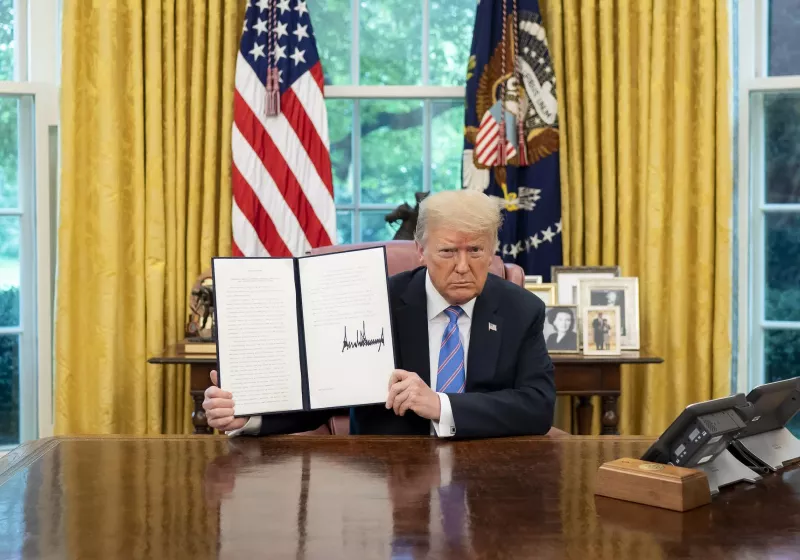
  • President Trump has taken significant steps to ease restrictions on chip exports to China, allowing companies like Nvidia to sell advanced AI chips to approved customers. This move follows a series of diplomatic engagements between Trump and Chinese President Xi Jinping, including a recent meeting in Busan, South Korea, where they discussed trade and bilateral relations.
  • The decision to permit Nvidia to export its H200 AI chips is a notable shift in U.S. policy, reflecting a willingness to accommodate China's technological ambitions. This change is expected to bolster Nvidia's market position and enhance its revenue streams from the Chinese market, which is critical for its growth strategy.
  • This development underscores a broader trend of U.S.-China relations, where strategic gains for China are becoming more apparent amid ongoing geopolitical tensions. The easing of chip controls may also influence the dynamics of U.S.-Japan relations, as Japan remains cautious of China's growing technological capabilities, particularly in the context of Taiwan and regional security.
— via World Pulse Now AI Editorial System

Was this article worth reading? Share it

Recommended apps based on your readingExplore all apps
Continue Readings
Despite talk of an existential US-China AI race, the Chinese state and its major companies are spending more to dominate other domains, such as EVs and robotics (Tim Wu/Financial Times)
NeutralArtificial Intelligence
Despite the ongoing narrative of a US-China AI race, recent analysis indicates that China is prioritizing investments in sectors beyond AI, such as electric vehicles (EVs) and robotics. Major Chinese companies and the state are channeling resources into these domains, suggesting a strategic shift in focus.
Chinese AI Euphoria Masks Long-Term Technological Challenges
NeutralArtificial Intelligence
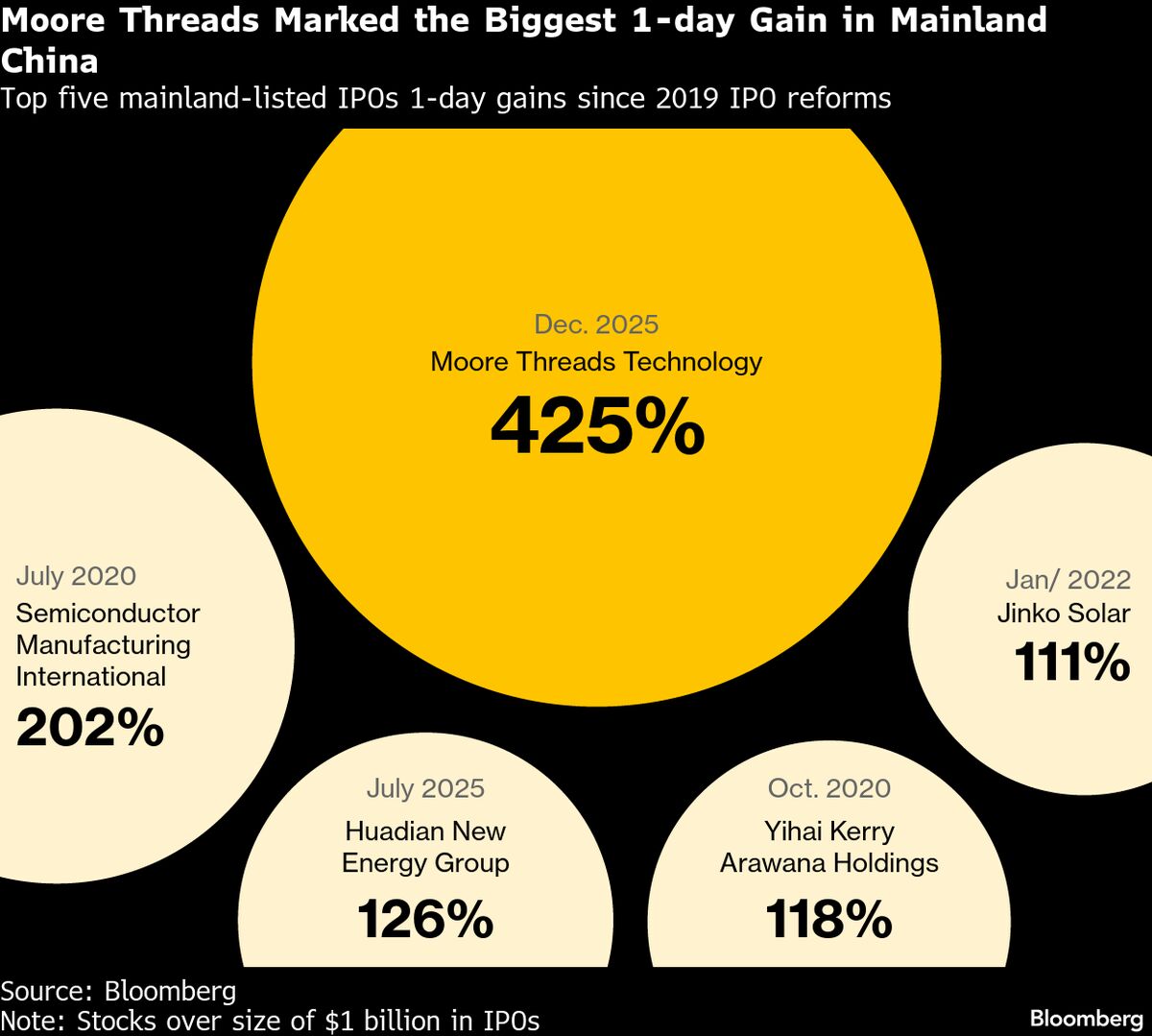
Moore Threads Technology Co. experienced a remarkable 425% increase on its first day of trading, marking China's most successful initial public offering since 2019. This surge reflects a growing investor enthusiasm for advancements in China's AI chip sector, despite underlying technological challenges that could impede long-term growth.
Broadcom Follows Oracle in Disappointing AI-Focused Investors | Bloomberg Tech 12/12/2025
NegativeArtificial Intelligence
Broadcom's shares have significantly declined following a disappointing sales outlook that failed to meet investor expectations, mirroring a similar trend seen with Oracle's recent struggles in the AI sector. This downturn comes despite Broadcom reporting record revenue growth, highlighting investor concerns about future profitability.
David Sacks says China is rejecting Nvidia's H200 AI chips, because the country wants "semiconductor independence" and to "prop up and subsidize Huawei" (Maggie Eastland/Bloomberg)
NegativeArtificial Intelligence
China has decided to reject the purchase of Nvidia's H200 AI chips, as stated by David Sacks, who claims the country aims for semiconductor independence and intends to support Huawei. This decision comes amid U.S. efforts to facilitate Nvidia's sales to China, which were previously restricted due to national security concerns.
China Is ‘Rejecting’ Nvidia’s H200 Chips, Outfoxing US Strategy, Sacks Says
NegativeArtificial Intelligence
China has decided to reject Nvidia Corp.'s H200 AI chips, opting instead for domestically developed semiconductors, as stated by White House AI czar David Sacks. This move comes in response to the U.S. strategy that previously allowed Nvidia to sell these chips to approved customers in China, which has now shifted due to national security concerns.
Trump's executive order seeks to centralize AI regulation at the federal level
PositiveArtificial Intelligence
Former President Donald Trump signed an executive order aimed at centralizing artificial intelligence (AI) regulation at the federal level, asserting that a unified national policy will eliminate the confusing patchwork of state laws that hinder innovation and threaten the U.S. competitive edge against China in AI development.
LLMs in Interpreting Legal Documents
NeutralArtificial Intelligence
This chapter discusses the use of Large Language Models (LLMs) in the legal field, highlighting their ability to enhance traditional legal tasks such as interpreting statutes, contracts, and case law. It also addresses the challenges posed by these technologies, including algorithmic monoculture and compliance with regulations like the EU's AI Act and U.S. initiatives.
Trump Moves to Stop States From Regulating AI With a New Executive Order
NeutralArtificial Intelligence
President Trump signed an executive order aimed at establishing a unified federal regulatory framework for artificial intelligence (AI), addressing the confusion caused by varying state laws. This move reflects his administration's commitment to ensuring that the U.S. maintains a competitive edge in AI development.

Ready to build your own newsroom?

Subscribe to unlock a personalised feed, podcasts, newsletters, and notifications tailored to the topics you actually care about