What are the macroeconomic consequences of a weaker rupee
NeutralFinancial Markets
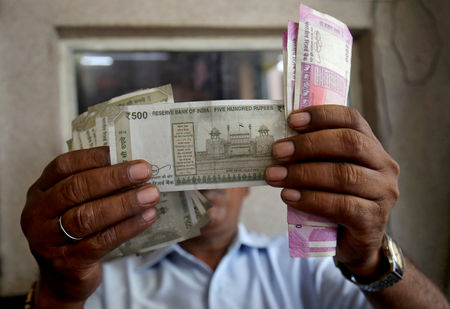
- The Indian rupee has been experiencing significant fluctuations, recently hitting a record low against the US dollar, attributed to various economic pressures including new U.S. tariff and visa policies. The Reserve Bank of India (RBI) has identified these fluctuations as a result of speculative attacks and is prepared to intervene in the market to stabilize the currency.
- This situation is critical for the Indian economy as a weaker rupee can lead to increased inflation, affect trade relations, and impact overall economic stability. The RBI's intervention is aimed at restoring confidence in the currency and mitigating adverse effects on the economy.
- The ongoing volatility of the rupee reflects broader economic challenges faced by India, including external pressures from global markets and domestic economic policies. Analysts suggest that despite the weak rupee, there may still be room for monetary policy adjustments, such as potential rate cuts, indicating a complex interplay between currency stability and economic growth.
— via World Pulse Now AI Editorial System