Asia Poised for a Weak Start After US Stocks Waver: Markets Wrap

BloombergThursday, December 4, 2025 at 10:29:28 PM
Asia Poised for a Weak Start After US Stocks Waver: Markets Wrap
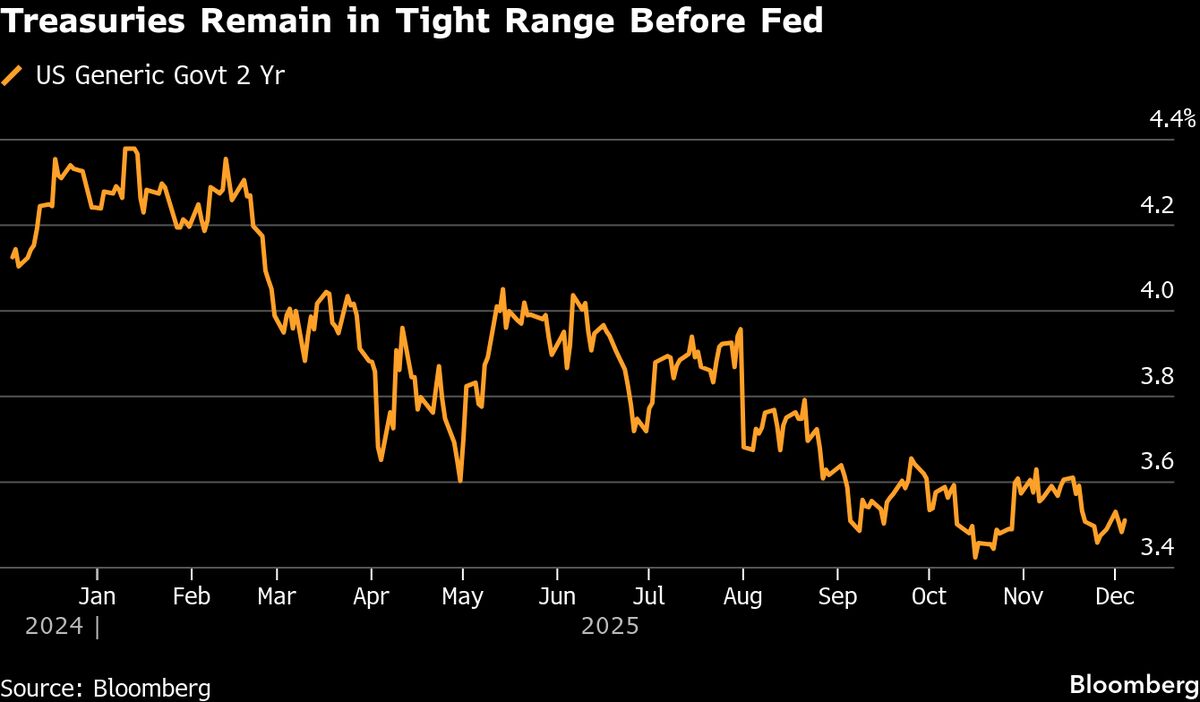
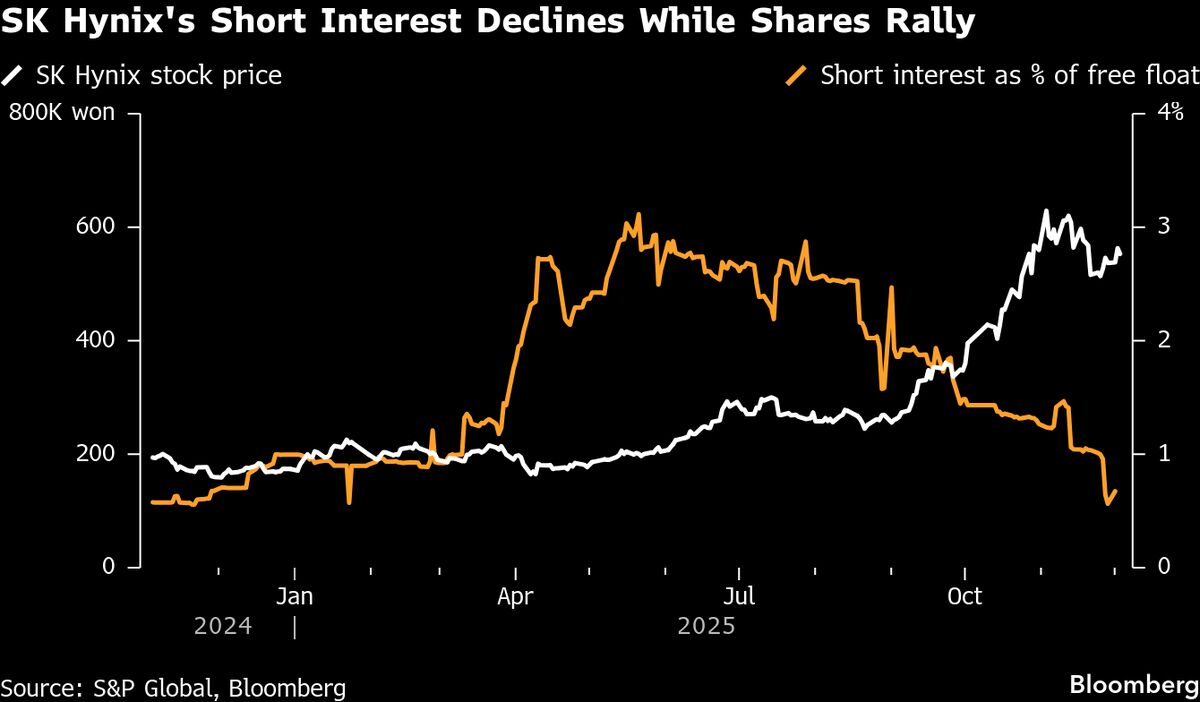
  • Asian equities are expected to open weakly following a lackluster session on Wall Street, where tech stocks and bonds faced pressure, and Bitcoin's recovery stalled ahead of the Federal Reserve's upcoming decision on interest rates.
  • This development is significant as it reflects the ongoing volatility in global markets, particularly in the tech sector, which has been sensitive to shifts in monetary policy and investor sentiment, impacting overall market confidence.
  • The situation underscores a broader trend of fluctuating investor sentiment influenced by economic indicators and expectations of interest rate adjustments, as markets react to signs of a potential slowdown in the U.S. economy.
— via World Pulse Now AI Editorial System


Was this article worth reading? Share it

Recommended apps based on your readingExplore all apps
Continue Readings
US trade with China probably needs to be smaller, USTR's Greer says
NeutralFinancial Markets
USTR's Jamieson Greer indicated that US trade with China may need to be reduced, reflecting ongoing concerns about the economic relationship between the two nations. This statement comes amid a backdrop of shifting strategies, with the US expected to transition from containment to a focus on technological rivalry with China by 2026.
Australian Beef Exports Hit Record High Despite Trump Tariffs
PositiveFinancial Markets
Australia’s beef exports have reached a record high this year, driven by strong demand from the US, as reported by Meat & Livestock Australia. This surge occurs despite the ongoing tariffs imposed by former President Trump, which have not deterred American consumers from seeking Australian beef.
Fed Has 'One or Two' More Rate Cuts Left, BlackRock's Lynam Says
NeutralFinancial Markets
Amanda Lynam, head of macro credit research at BlackRock, indicated that the Federal Reserve may have 'one or two' more interest rate cuts left, addressing concerns surrounding the private credit market during an interview with Romaine Bostick on Bloomberg.
Brazil soy exports jump 64% in November ahead of Chinese shift to US
PositiveFinancial Markets
Brazil's soybean exports surged by 64% in November, driven by a shift in demand from China towards U.S. suppliers. This increase highlights Brazil's significant role in the global soybean market as it adapts to changing trade dynamics.
Big Shift in AI Stock Trade Drives Hunt for New Stars in Asia
PositiveFinancial Markets
A significant shift in the artificial intelligence stock trade is prompting investors in Asia to seek new equity opportunities, as technological advancements and concerns about market bubbles reshape the investment landscape. This trend reflects a growing interest in identifying potential winners in the AI sector amidst fluctuating market conditions.
FTC examines whether TP-Link misled US consumers about its China split, source says
NeutralFinancial Markets
The Federal Trade Commission (FTC) is investigating whether TP-Link misled consumers in the United States regarding its separation from its Chinese operations. This inquiry follows concerns about the company's transparency and the implications of its business practices on consumer trust.
US weekly jobless claims dive to a more than three-year low
PositiveFinancial Markets
US weekly jobless claims have dropped to 191,000, marking the lowest level in over three years, reflecting a tightening labor market. This decline of 27,000 claims from the previous week indicates that employers are retaining workers despite recent layoffs.
For Wall Street, pandemic-level bad news for jobs is good news for stocks—it pushes the Fed further into cutting territory
PositiveFinancial Markets
Recent labor data has shown significant weakness, with ADP reporting job losses and Challenger announcing layoffs, leading to a surge in expectations for a Federal Reserve interest rate cut, now estimated at 90% for December. This situation reflects a paradox where bad news for jobs is perceived as good news for Wall Street, as it may prompt monetary easing.