Scientists uncover surprise origin of wispy cirrus clouds

The Guardian – ScienceWednesday, December 3, 2025 at 6:00:56 AM
PositiveScience
Scientists uncover surprise origin of wispy cirrus clouds
  • New research has revealed that wispy cirrus clouds, known for their delicate appearance, are often seeded by massive atmospheric waves originating from storms located thousands of miles away. This finding challenges previous understandings of how these clouds form and highlights the complexity of atmospheric interactions.
  • The implications of this discovery are significant, particularly in the context of global heating, as it suggests that shifting storm patterns could influence the formation of cirrus clouds, potentially affecting climate models and weather predictions.
— via World Pulse Now AI Editorial System
Was this article worth reading? Share it

Recommended apps based on your readingExplore all apps
Continue Readings
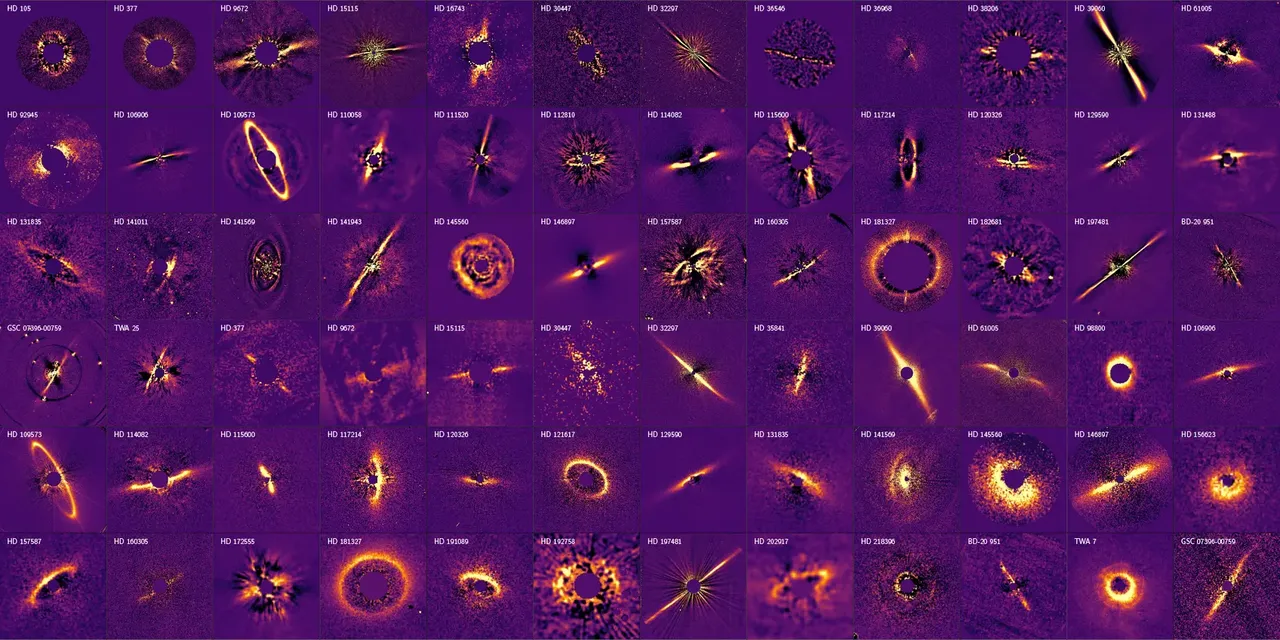
Scientists capture 51 images showing exoplanets coming together around other stars: 'This data set is an astronomical treasure'
PositiveScience
Scientists using the Very Large Telescope's SPHERE instrument have captured 51 images of dusty rings that are forming young planetary systems around other stars. This unprecedented data set provides valuable insights into the processes of planet formation in various stellar environments.
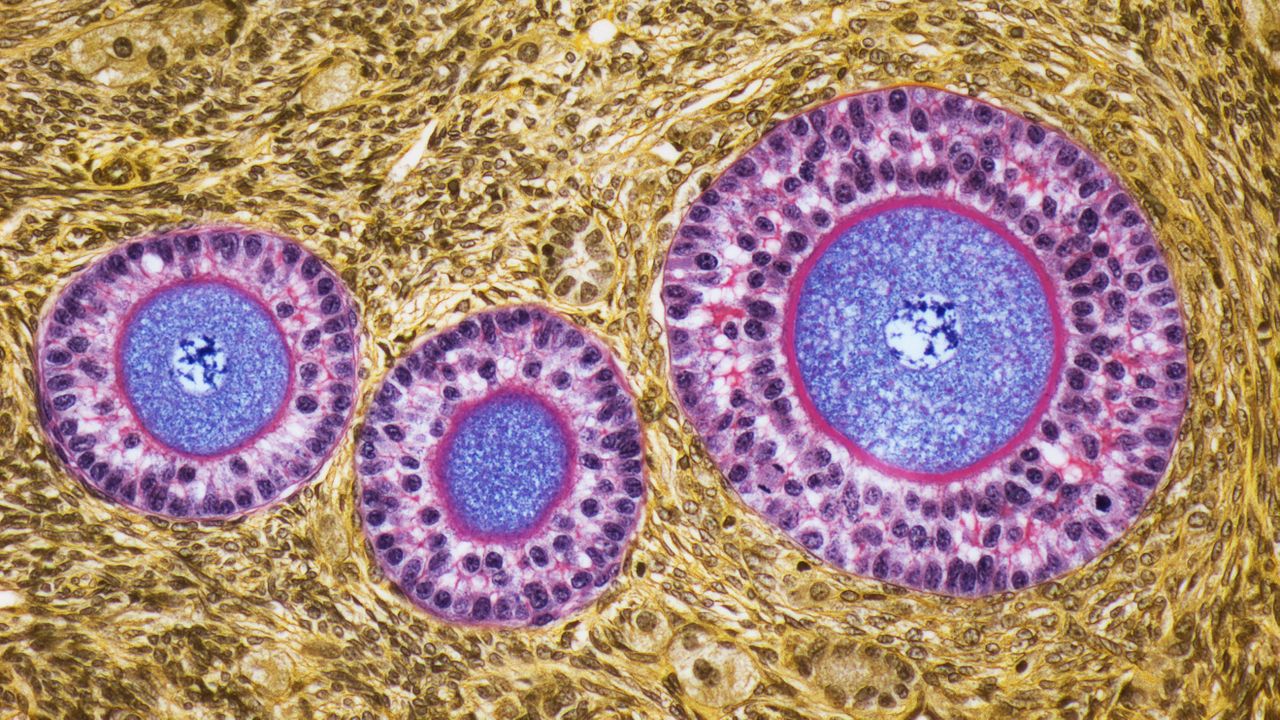
Could aging eggs be 'rejuvenated'? New tool may help pave the way to fertility-extending treatments
PositiveScience
Scientists have developed a new experimental system aimed at understanding how age-related changes in egg cells increase their susceptibility to chromosomal errors. This innovative tool could significantly advance research in reproductive health and fertility treatments.
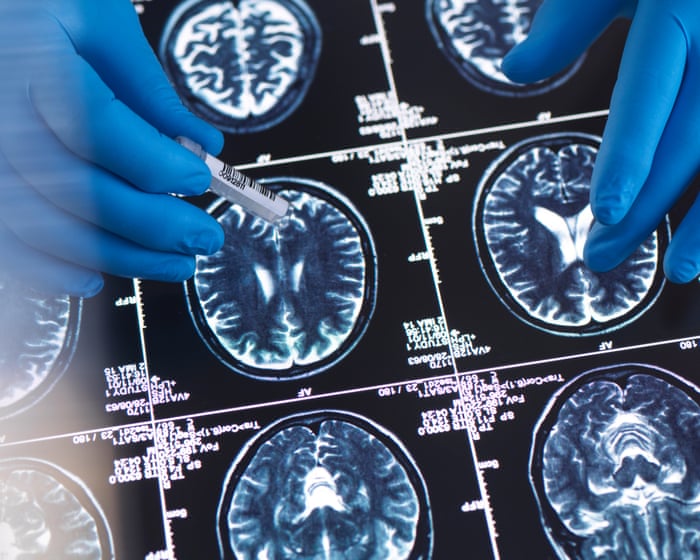
The brain’s 5 eras, the vaccine that protects against dementia, altruistic ants – podcast
PositiveScience
A recent podcast featuring science editor Ian Sample, co-host Madeleine Finlay, and science correspondent Hannah Devlin discussed significant findings, including a study revealing that the human brain undergoes five distinct developmental eras, with adulthood commencing in the early 30s. Additionally, new research indicates that the shingles vaccine not only offers protection against dementia but may also slow its progression, alongside insights into altruistic behavior in ants during pathogen infections.
Having a dog can boost teenagers’ mental health, say scientists
PositiveScience
Researchers have found that owning a dog can positively impact teenagers' mental health, leading to lower scores in social problems, aggressive behavior, and delinquency. The study, led by Prof Takefumi Kikusui from Azabu University in Japan, suggests that the presence of dogs may reduce stress and promote the release of oxytocin, a hormone associated with bonding.