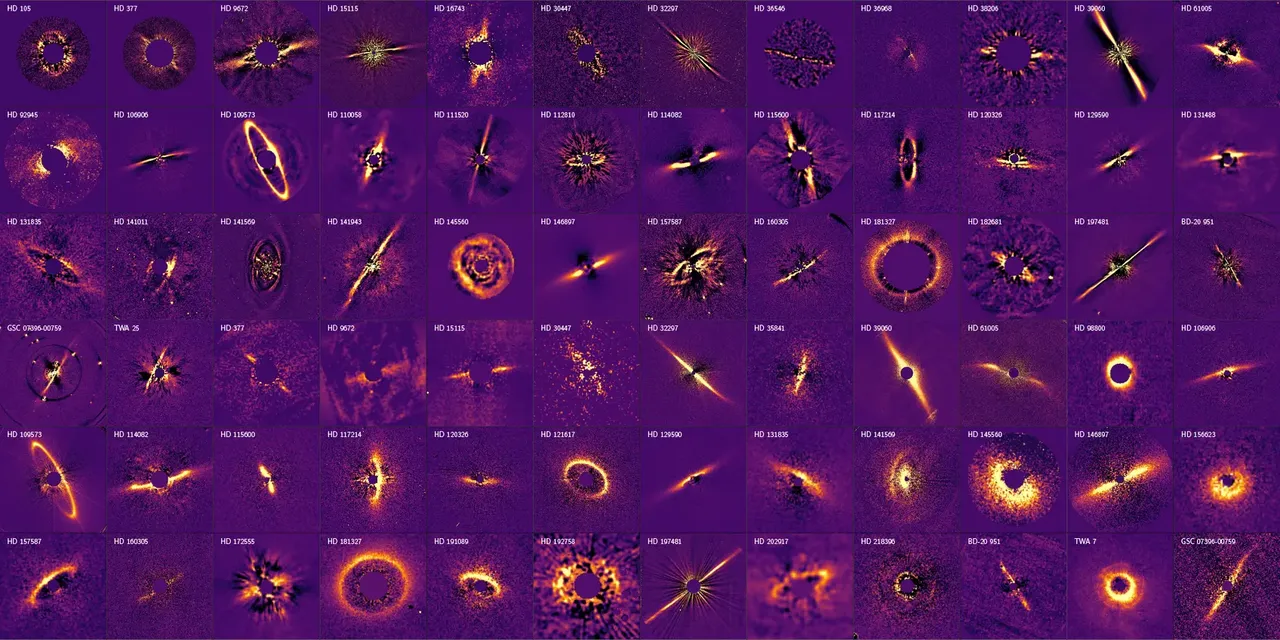
Scientists capture 51 images showing exoplanets coming together around other stars: 'This data set is an astronomical treasure'

Space.comFriday, December 5, 2025 at 7:00:00 PM
PositiveScience
Scientists capture 51 images showing exoplanets coming together around other stars: 'This data set is an astronomical treasure'
  • Scientists using the Very Large Telescope's SPHERE instrument have captured 51 images of dusty rings that are forming young planetary systems around other stars. This unprecedented data set provides valuable insights into the processes of planet formation in various stellar environments.
  • The significance of this discovery lies in its potential to enhance understanding of how planetary systems evolve, which could inform future research on the origins of our own solar system and the conditions necessary for life elsewhere in the universe.
  • This development reflects ongoing advancements in astronomical technology, as seen in recent efforts to map supernova shapes and create artificial stars, highlighting the dynamic nature of astronomical research and the continuous quest to unravel the mysteries of the cosmos.
— via World Pulse Now AI Editorial System


Was this article worth reading? Share it

Recommended apps based on your readingExplore all apps
Continue Readings
Could aging eggs be 'rejuvenated'? New tool may help pave the way to fertility-extending treatments
PositiveScience
Scientists have developed a new experimental system aimed at understanding how age-related changes in egg cells increase their susceptibility to chromosomal errors. This innovative tool could significantly advance research in reproductive health and fertility treatments.
Scientists uncover surprise origin of wispy cirrus clouds
PositiveScience
New research has revealed that wispy cirrus clouds, known for their delicate appearance, are often seeded by massive atmospheric waves originating from storms located thousands of miles away. This finding challenges previous understandings of how these clouds form and highlights the complexity of atmospheric interactions.