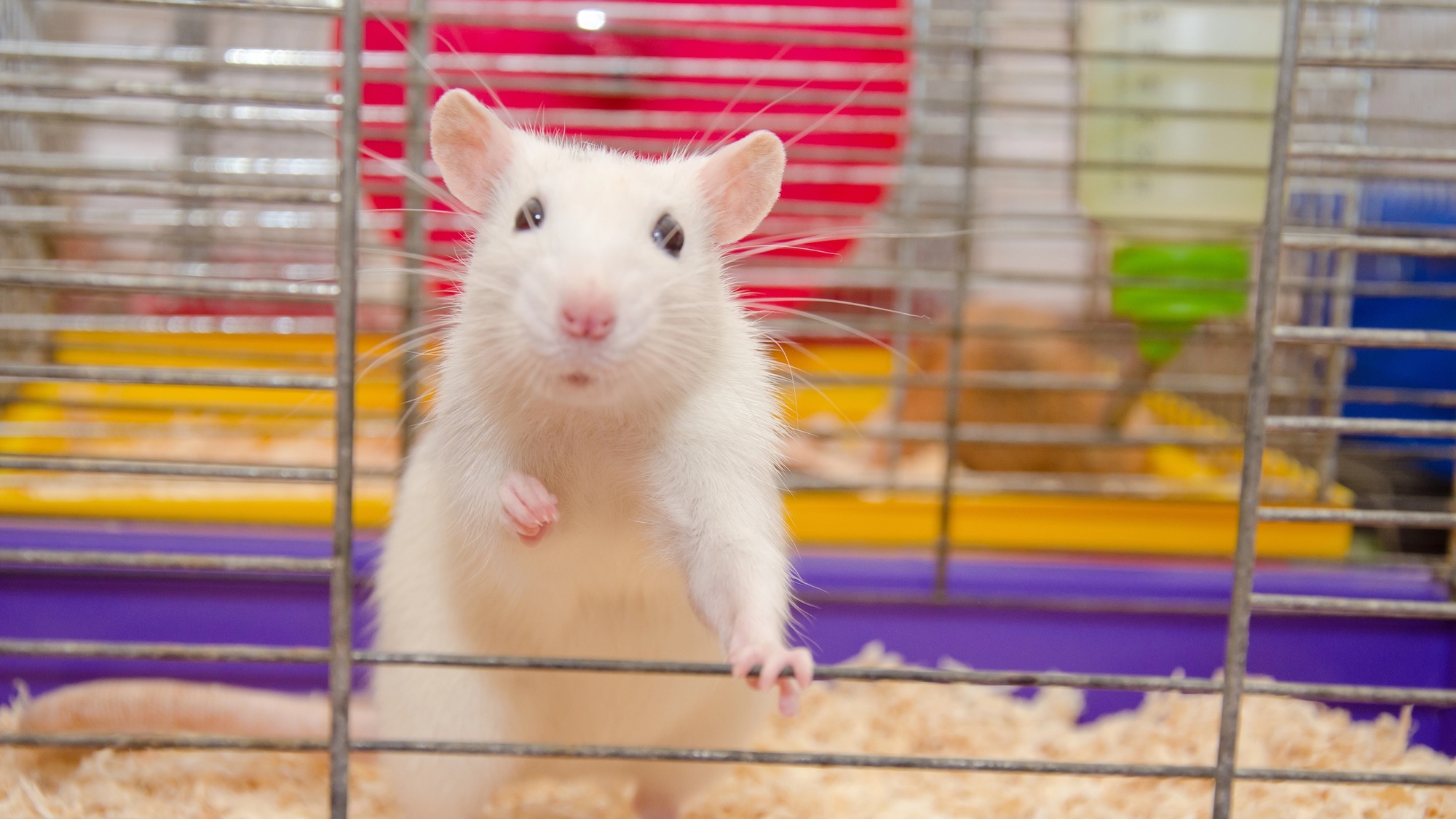
If offered, rats will use cannabis to deal with stress

Popular ScienceThursday, December 11, 2025 at 7:50:00 PM
NeutralScience
If offered, rats will use cannabis to deal with stress
  • Research indicates that rats will utilize cannabis when available as a means to cope with stress, paralleling the human response to cortisol with the rodent hormone corticosterone.
  • This finding highlights the potential for understanding stress responses across species and may inform future studies on the therapeutic effects of cannabis in both animals and humans.
— via World Pulse Now AI Editorial System
Was this article worth reading? Share it

Recommended apps based on your readingExplore all apps
Continue Readings
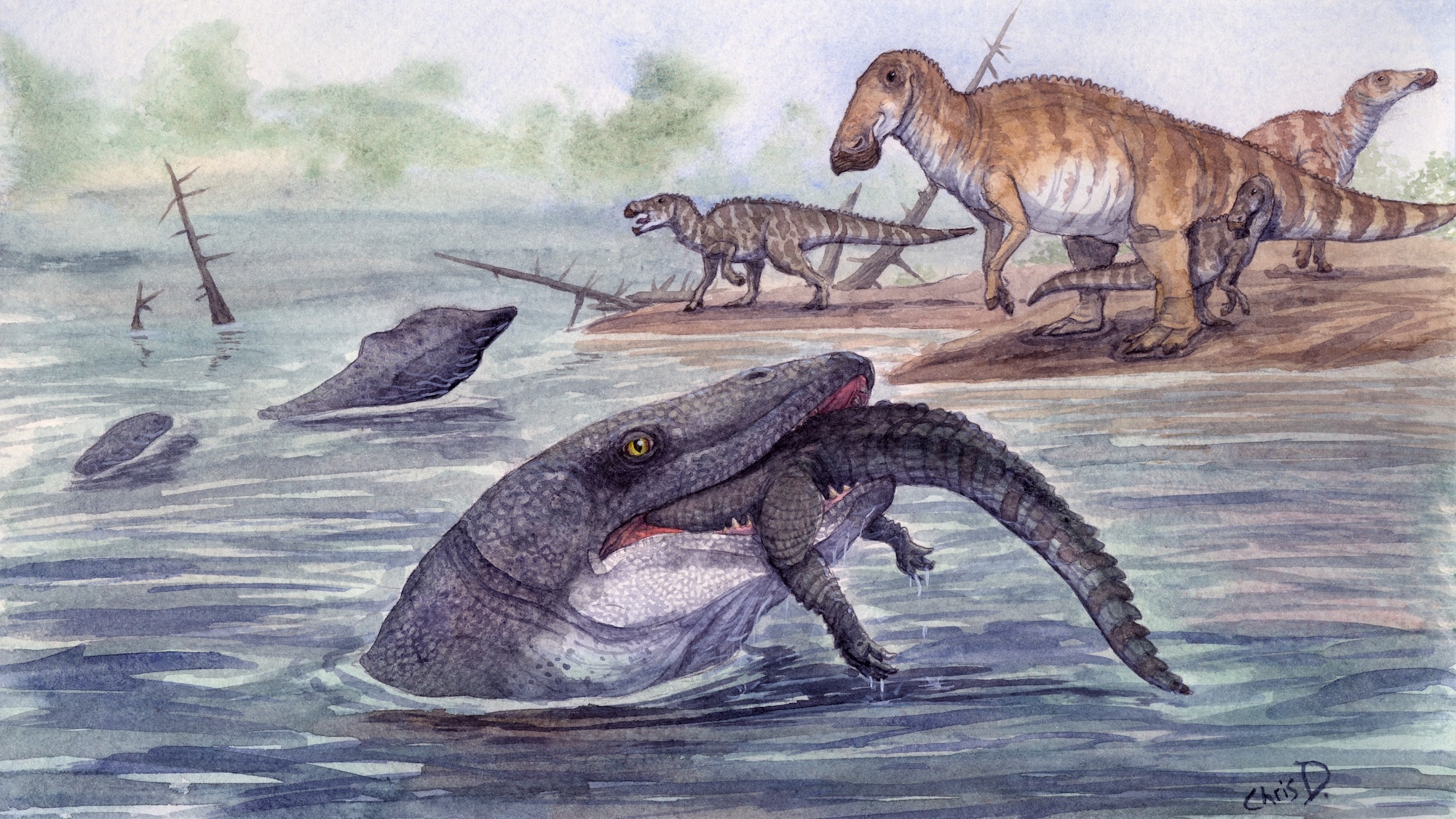
Mosasaurs may have terrorized rivers as well as oceans
NeutralScience
Recent findings suggest that mosasaurs, apex predators of the Late Cretaceous, may have inhabited freshwater environments, expanding their known territory beyond oceans. This revelation indicates that these formidable creatures could have terrorized rivers, similar to their dominance in marine ecosystems.
Asexual parasitic plants break biology’s rules
NeutralScience
The discovery of asexual parasitic plants, specifically the Balanophora species, challenges traditional biological norms as these plants primarily thrive underground, drawing nutrients from tree roots. This unique adaptation allows them to survive without the typical reproductive processes seen in most plants.
Tumbleweeds inspire this rolling, resilient robot
PositiveScience
HERMES, a new robot inspired by tumbleweeds, has been developed to be more energy efficient than traditional solid sphere designs. This innovation highlights advancements in robotics and energy efficiency, showcasing the potential for nature-inspired engineering solutions.
Who built Scandinavia’s oldest wooden plank boat? An ancient fingerprint offers clues.
NeutralScience
Archeologists are making progress in uncovering the mysteries surrounding the Hjortspring Boat, believed to be Scandinavia's oldest wooden plank boat, as they analyze an ancient fingerprint found on the vessel. This discovery could provide insights into the boat's construction and the people who built it.
Neanderthals harnessed fire 350,000 years earlier than previously thought
PositiveScience
Neanderthals have been found to have harnessed fire approximately 350,000 years earlier than previously believed, marking a significant advancement in their technological capabilities. This discovery highlights the sophistication of Neanderthal culture and their ability to manipulate their environment for survival.
The space billboard that nearly happened
NeutralScience
In 1993, a plan emerged to launch advertisements into space, which sparked significant public concern and debate about the commercialization of outer space. The initiative was intended to create a new platform for advertising, but it faced backlash that ultimately prevented its realization.
What the evolution of tickling tells us about being human
NeutralScience
Recent research has shed light on the evolution of tickling, revealing insights into why humans and other species, such as bonobos and rats, exhibit ticklish behavior. This exploration extends to the development of tickling robots, which aim to mimic these interactions and enhance understanding of social bonding and communication in animals and humans alike.
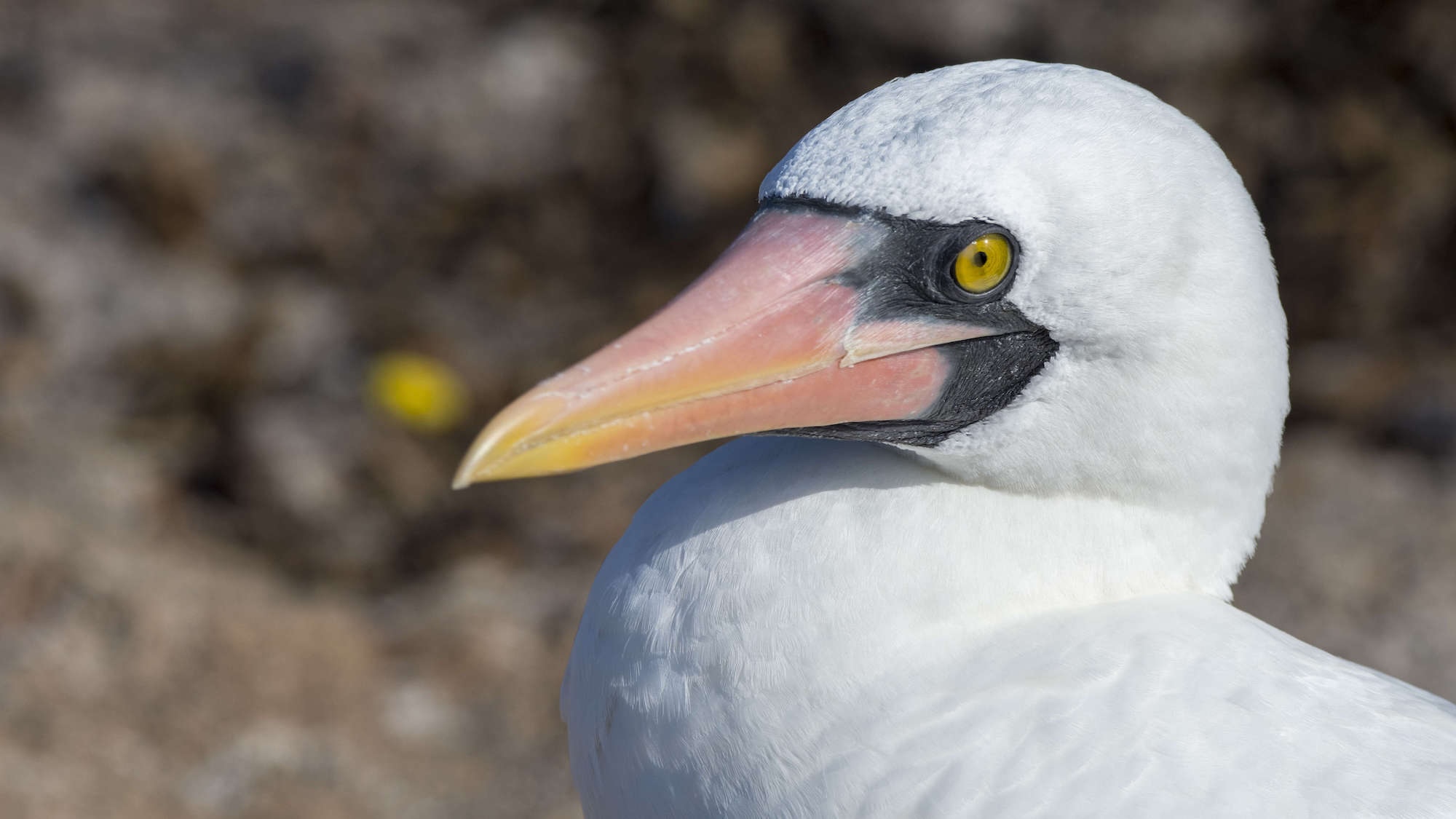
Female Galápagos birds flaunt their sexual partners. The males don’t seem to mind.
NeutralScience
Female Galápagos birds, particularly boobies, exhibit a notable freedom in their sexual behavior, openly flaunting their partners without apparent concern from the males. This behavior highlights the unique mating dynamics within this species.