What the evolution of tickling tells us about being human
NeutralScience

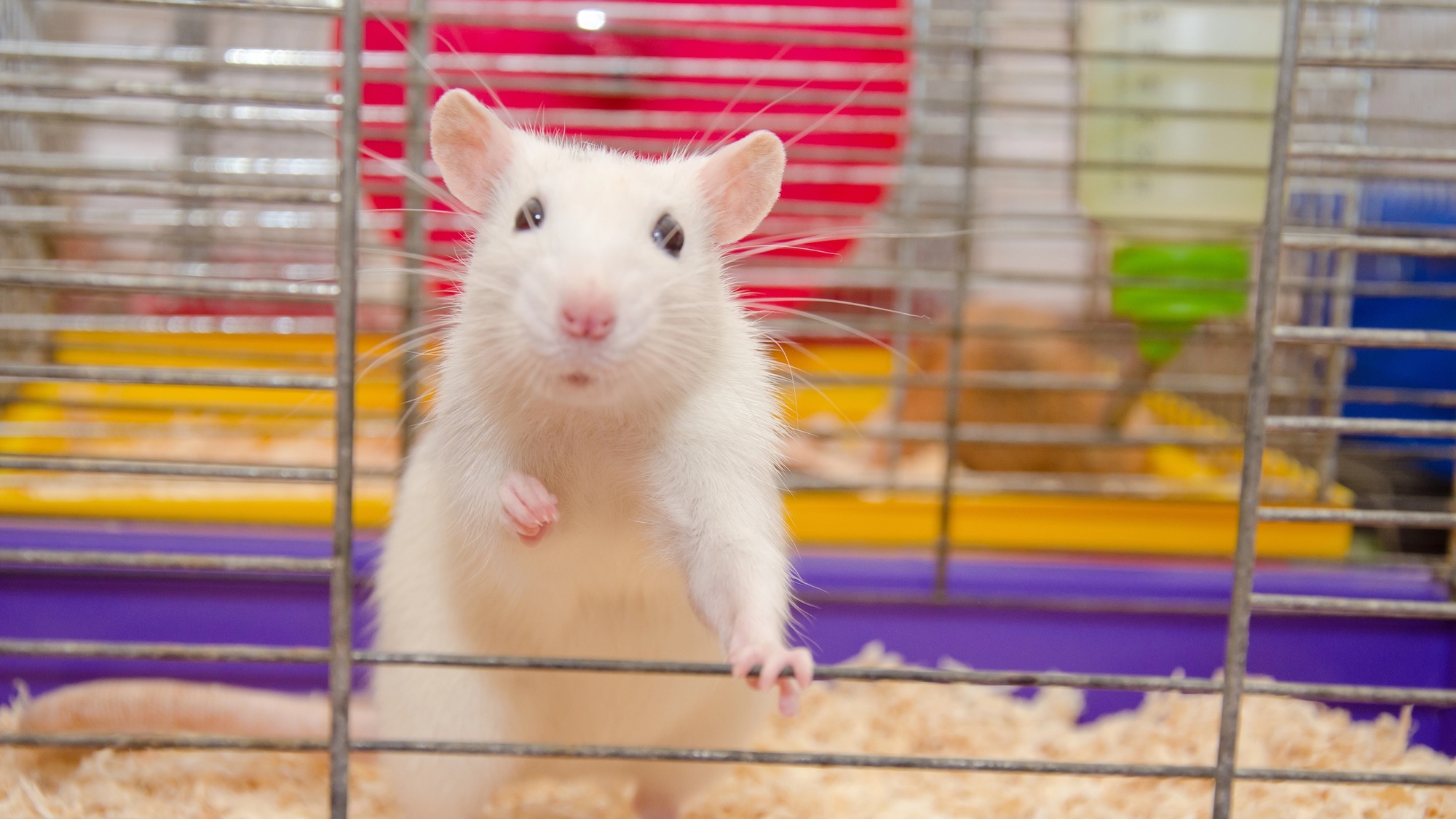
- Recent research has shed light on the evolution of tickling, revealing insights into why humans and other species, such as bonobos and rats, exhibit ticklish behavior. This exploration extends to the development of tickling robots, which aim to mimic these interactions and enhance understanding of social bonding and communication in animals and humans alike.
- Understanding the mechanisms behind tickling can provide valuable insights into social behaviors and emotional responses, potentially influencing fields such as psychology, robotics, and social sciences. This research highlights the complexity of interactions among species and the evolutionary significance of such behaviors.
- The study of tickling and caregiving behaviors in animals, such as the recently observed assistance among mice during births, underscores the intricate social structures present in the animal kingdom. These findings contribute to a broader understanding of empathy and social support systems, inviting further exploration into the cognitive and emotional capacities of various species.
— via World Pulse Now AI Editorial System