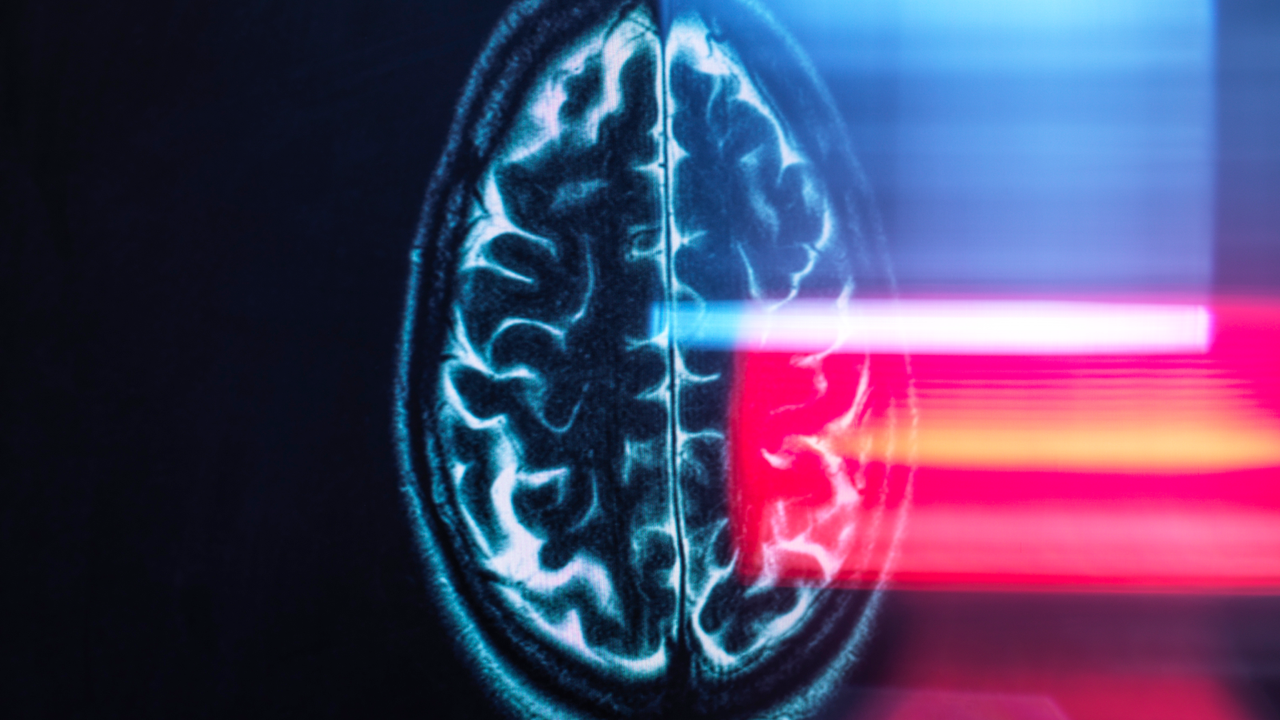
It matters what time of day you get cancer treatment, study suggests

Live ScienceThursday, December 18, 2025 at 7:00:00 PM
PositiveScience
It matters what time of day you get cancer treatment, study suggests
  • A recent study suggests that administering immunotherapy earlier in the day can significantly enhance survival rates for lung cancer patients compared to treatments given later in the day. This finding highlights the importance of timing in cancer treatment protocols.
  • The implications of this research are profound, as it could lead to revised treatment schedules that optimize patient outcomes, potentially extending lives and improving the quality of care for those battling lung cancer.
  • This development aligns with ongoing research into the timing and administration of cancer therapies, including innovative approaches like mRNA vaccines, which may also boost immune responses in cancer patients. The exploration of treatment timing reflects a broader trend in oncology towards personalized medicine and optimizing therapeutic strategies.
— via World Pulse Now AI Editorial System


Was this article worth reading? Share it

Recommended apps based on your readingExplore all apps
Continue Readings
Comet 3I/ATLAS reaches its closest point to Earth tonight: How to see it in the sky and online
PositiveScience
Comet 3I/ATLAS is set to reach its closest point to Earth overnight from December 18 to 19, 2025, marking a significant event for astronomers and space enthusiasts. This interstellar comet, the third of its kind detected, offers a unique opportunity for observation as it swings by our planet.
Saturn's largest moon may be riddled with 'slushy tunnels' that contain alien life, new study hints
PositiveScience
Recent studies suggest that Titan, Saturn's largest moon, may be filled with 'slushy tunnels' rather than a vast ocean, indicating the presence of liquid in a different form than previously thought. This finding builds on earlier spacecraft observations that hinted at an ocean beneath Titan's icy surface.
Brain scans reveal 'dial' that helps keep us from getting lost
PositiveScience
A recent brain-scan study has identified key components of the brain's navigation system, which may play a crucial role in preventing individuals from getting lost. This research sheds light on the brain's mechanisms that assist in spatial awareness and navigation, potentially offering insights into early symptoms of dementia.
Polar bears in southern Greenland are 'using jumping genes to rapidly rewrite their own DNA' to survive melting sea ice
PositiveScience
Recent studies indicate that polar bears in southern Greenland are undergoing genetic mutations, utilizing jumping genes to adapt to the rapidly changing environment caused by melting sea ice. This adaptation is crucial for their survival as climate change intensifies.

Ready to build your own newsroom?

Subscribe to unlock a personalised feed, podcasts, newsletters, and notifications tailored to the topics you actually care about