Comet 3I/ATLAS reaches its closest point to Earth tonight: How to see it in the sky and online

Live ScienceThursday, December 18, 2025 at 10:54:50 PM
PositiveScience
Comet 3I/ATLAS reaches its closest point to Earth tonight: How to see it in the sky and online
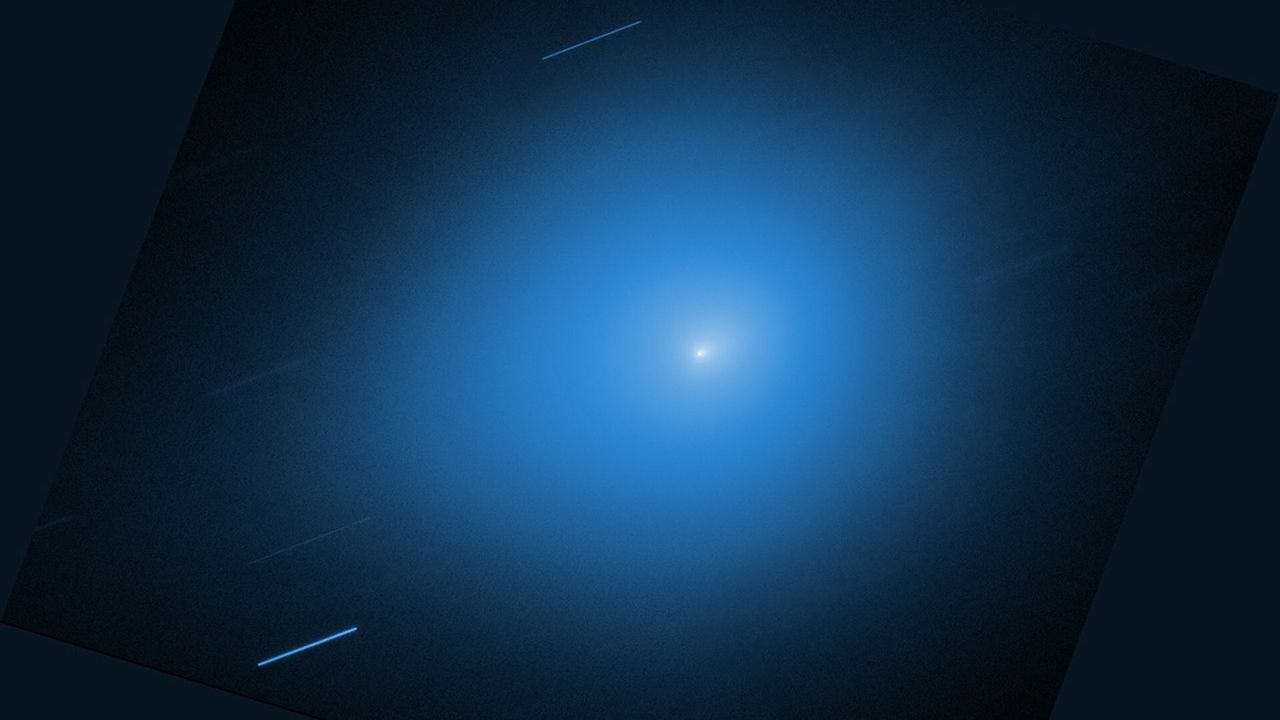
  • Comet 3I/ATLAS is set to reach its closest point to Earth overnight from December 18 to 19, 2025, marking a significant event for astronomers and space enthusiasts. This interstellar comet, the third of its kind detected, offers a unique opportunity for observation as it swings by our planet.
  • The close approach of Comet 3I/ATLAS allows astronomers to study its features more easily with telescopes, enhancing understanding of interstellar objects. This event follows its recent flyby of Mars, where new images were captured, providing valuable data.
  • The visibility of Comet 3I/ATLAS has increased as it approaches Earth, becoming brighter and greener, which has generated excitement among backyard astronomers and the public. This event highlights the ongoing interest in interstellar objects and the advancements in technology that allow for detailed observation of such celestial phenomena.
— via World Pulse Now AI Editorial System

Was this article worth reading? Share it

Recommended apps based on your readingExplore all apps
Continue Readings
First-of-its-kind cosmic collision spotted 25 light-years from Earth
NeutralScience
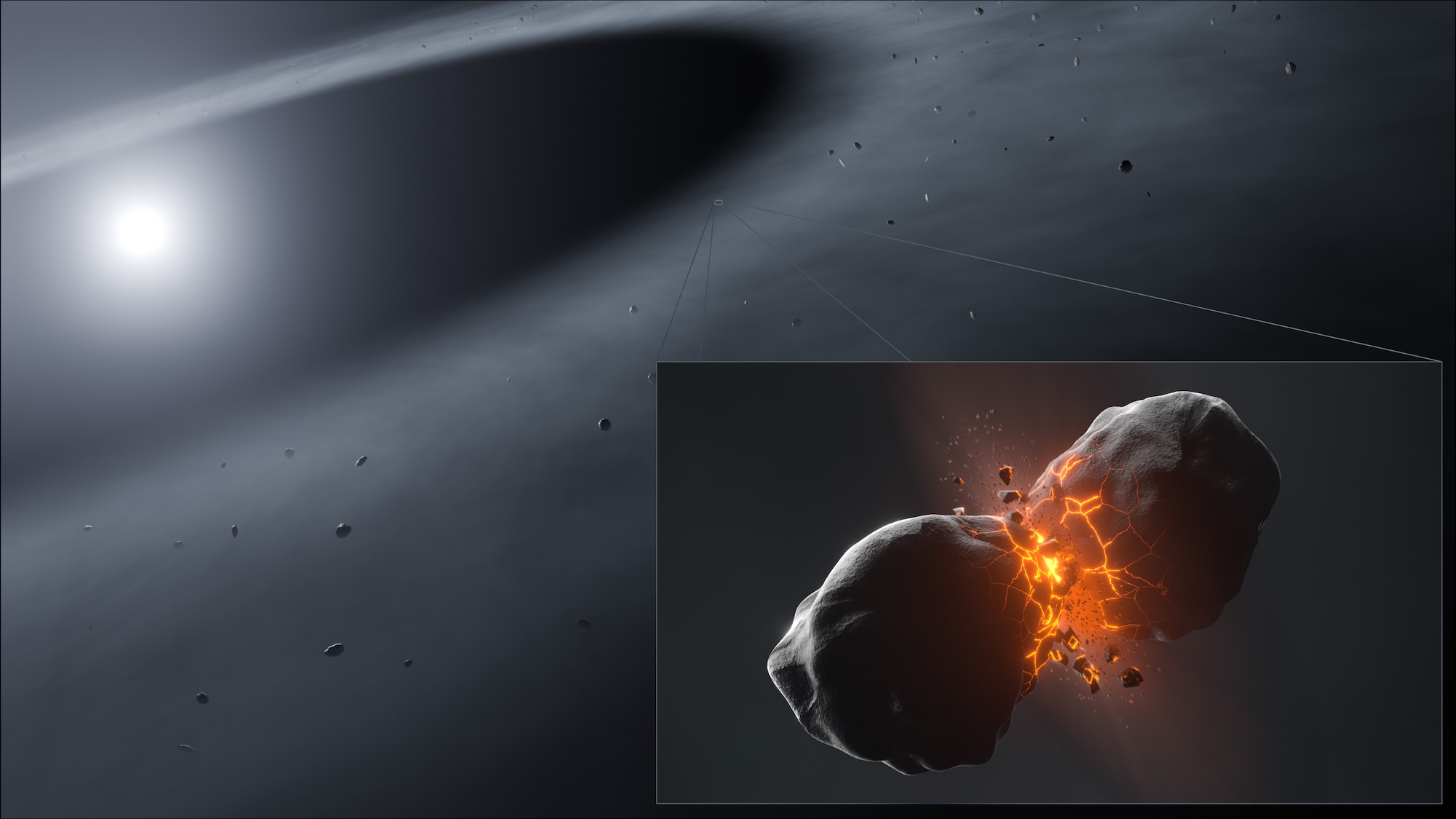
Astronomers have detected a unique cosmic collision approximately 25 light-years from Earth, initially mistaken for a new exoplanet. This event marks a significant observation in the field of astronomy, highlighting the dynamic interactions occurring in space.
It matters what time of day you get cancer treatment, study suggests
PositiveScience
A recent study suggests that administering immunotherapy earlier in the day can significantly enhance survival rates for lung cancer patients compared to treatments given later in the day. This finding highlights the importance of timing in cancer treatment protocols.
Two neutron stars may have formed the first known ‘superkilonova’
NeutralScience
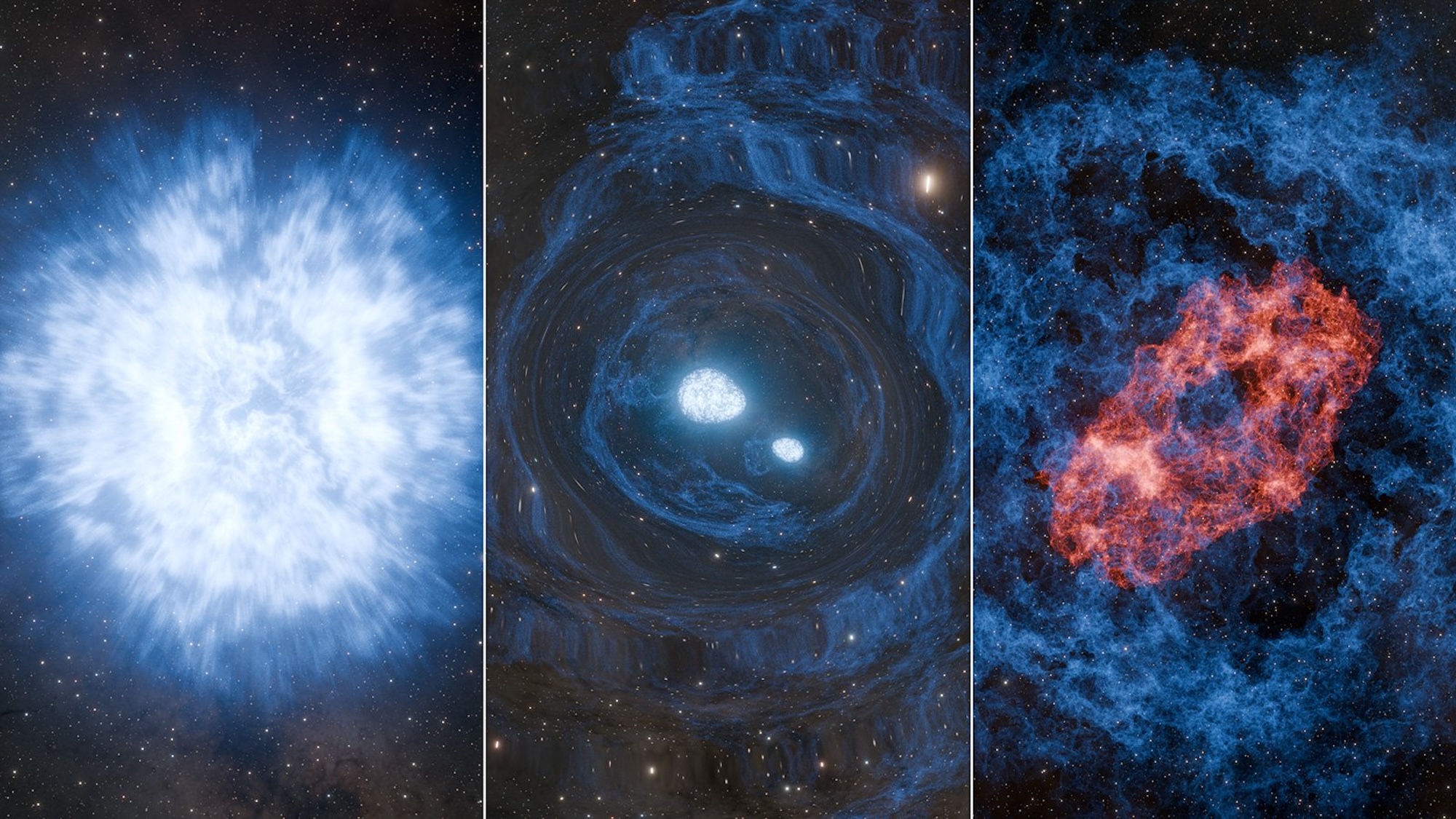
Two neutron stars have been identified as the likely progenitors of the first known ‘superkilonova,’ an extraordinary cosmic explosion that occurred 1.3 billion light-years from Earth. This event marks a significant milestone in astrophysics, providing insights into the life cycles of neutron stars and their explosive interactions.
Saturn's largest moon may be riddled with 'slushy tunnels' that contain alien life, new study hints
PositiveScience
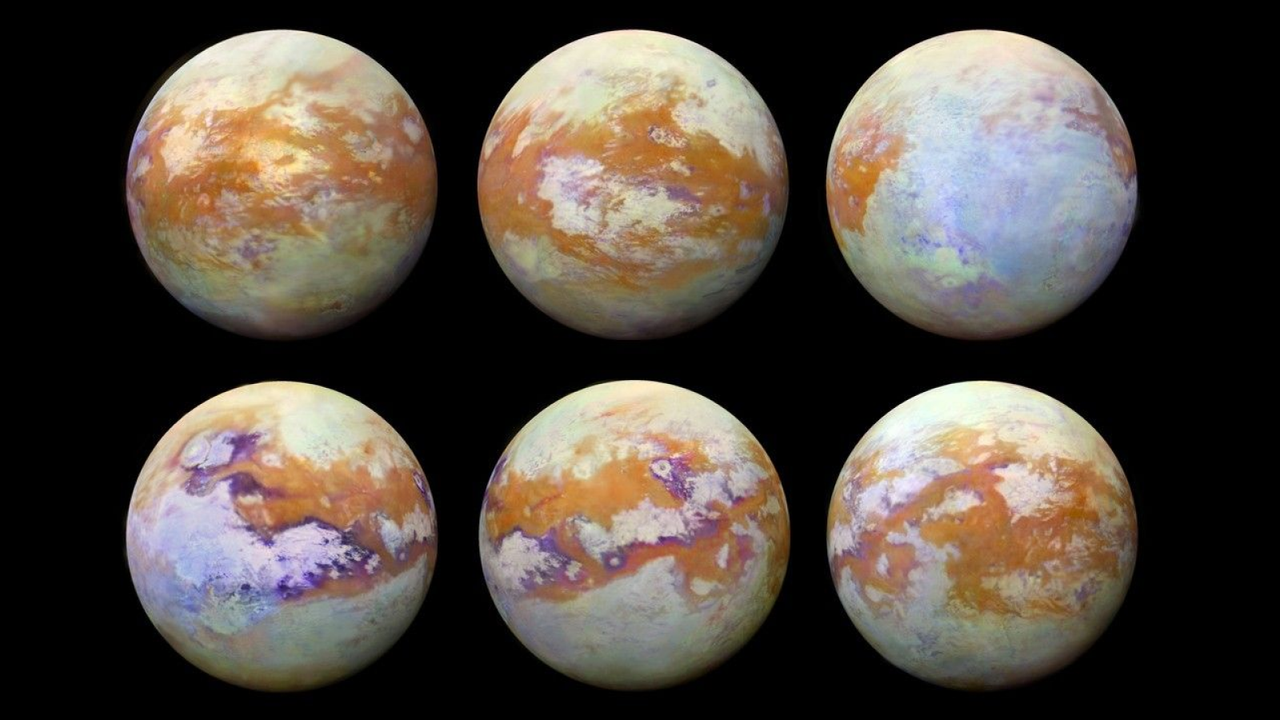
Recent studies suggest that Titan, Saturn's largest moon, may be filled with 'slushy tunnels' rather than a vast ocean, indicating the presence of liquid in a different form than previously thought. This finding builds on earlier spacecraft observations that hinted at an ocean beneath Titan's icy surface.
Watch interstellar comet 3I/ATLAS make its closest approach to Earth in free livestream tonight
NeutralScience
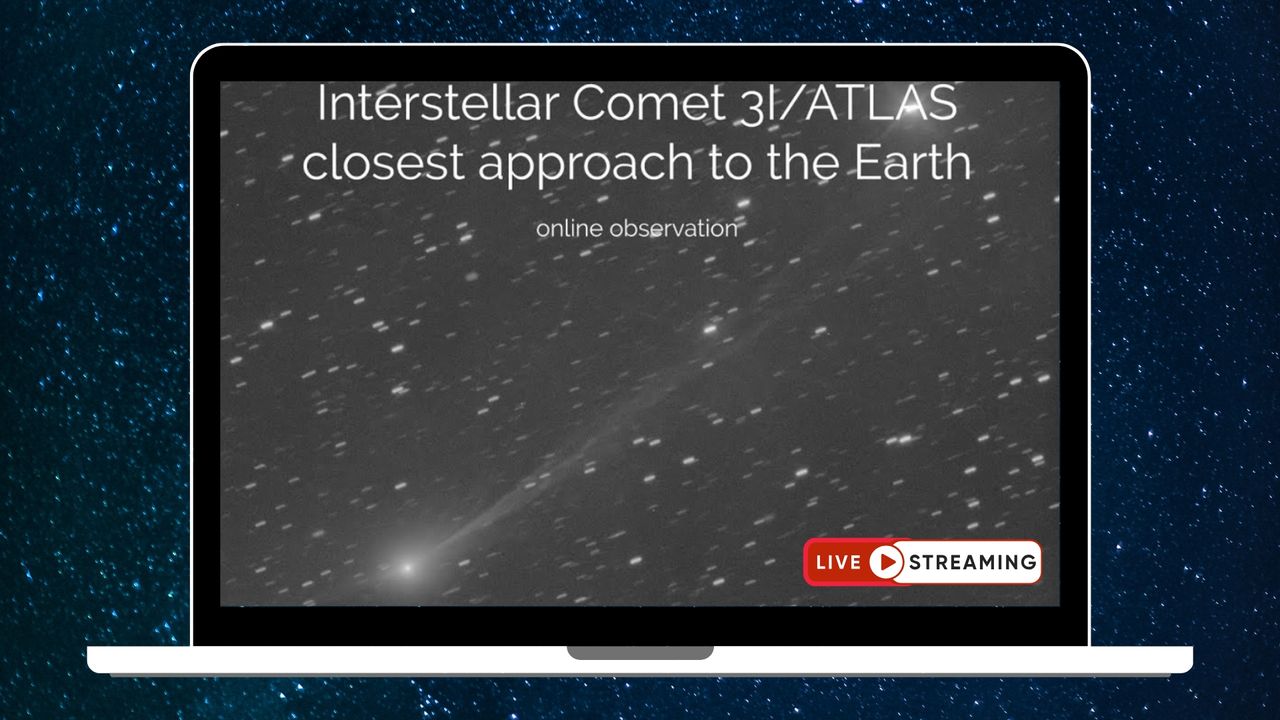
The interstellar comet 3I/ATLAS is set to make its closest approach to Earth tonight, with a free livestream scheduled to begin at 11 p.m. EST on December 18, 2025, weather permitting. This event marks a significant moment for astronomers and space enthusiasts alike as they prepare to observe the comet's features in detail.
Latest Comet 3I/ATLAS news: One day until the comet is closest to Earth!
NeutralScience
The interstellar comet 3I/ATLAS is set to make its closest approach to Earth on December 19, 2025, marking a significant event for astronomers and space enthusiasts alike. This flyby follows its recent close encounter with Mars, where NASA captured new images showcasing the comet's features and trajectory.
Wildfire smoke lofted miles high could have an unexpected effect on Earth's climate
NeutralScience
New measurements indicate that smoke particles from wildfires, when lofted miles high into the atmosphere, are twice the size of those found at lower altitudes. This finding highlights a significant difference in the behavior of smoke particles depending on their altitude.
Brain scans reveal 'dial' that helps keep us from getting lost
PositiveScience
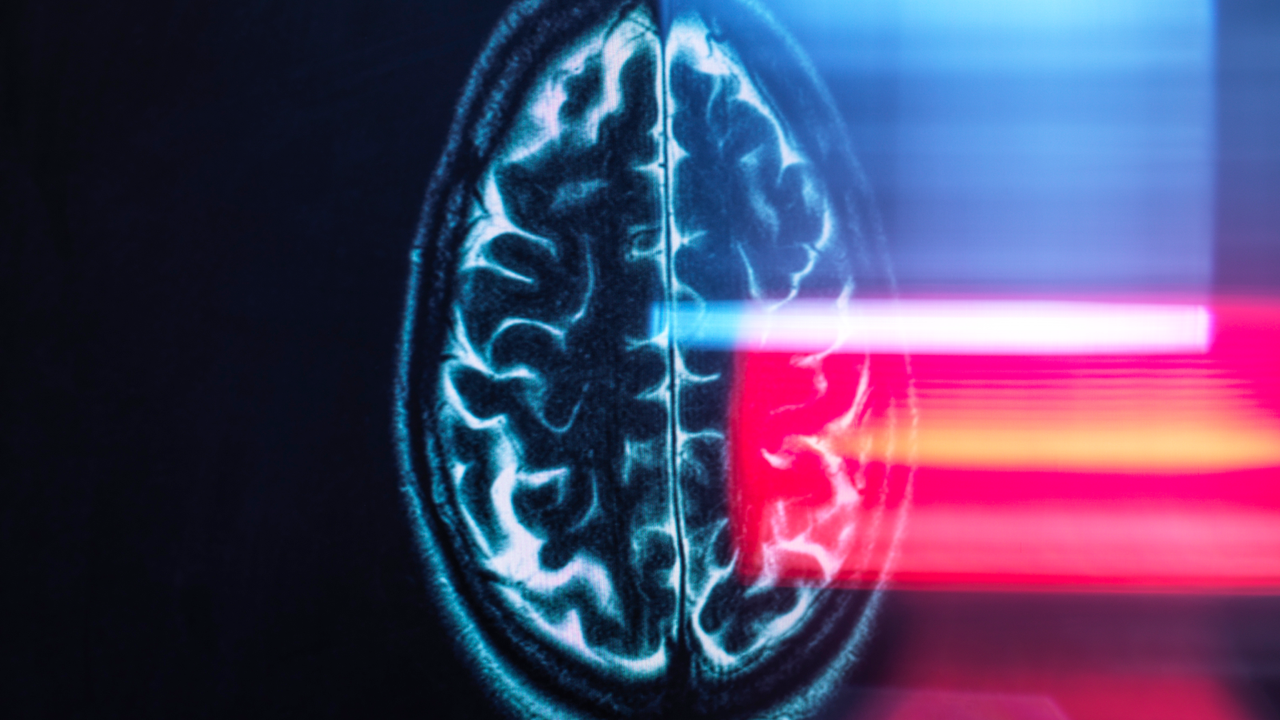
A recent brain-scan study has identified key components of the brain's navigation system, which may play a crucial role in preventing individuals from getting lost. This research sheds light on the brain's mechanisms that assist in spatial awareness and navigation, potentially offering insights into early symptoms of dementia.

Ready to build your own newsroom?

Subscribe to unlock a personalised feed, podcasts, newsletters, and notifications tailored to the topics you actually care about