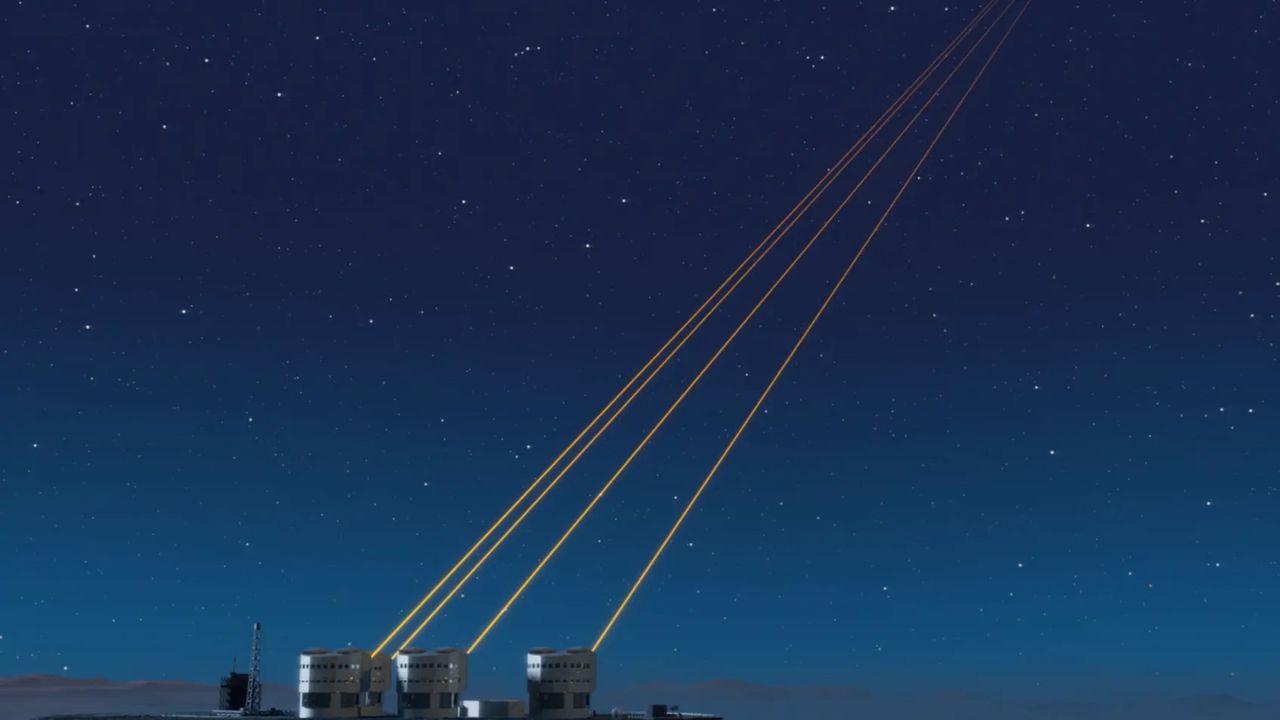
57 ways to capture a dying star: Astronomers get a glimpse of what will happen when our sun dies
NeutralScience
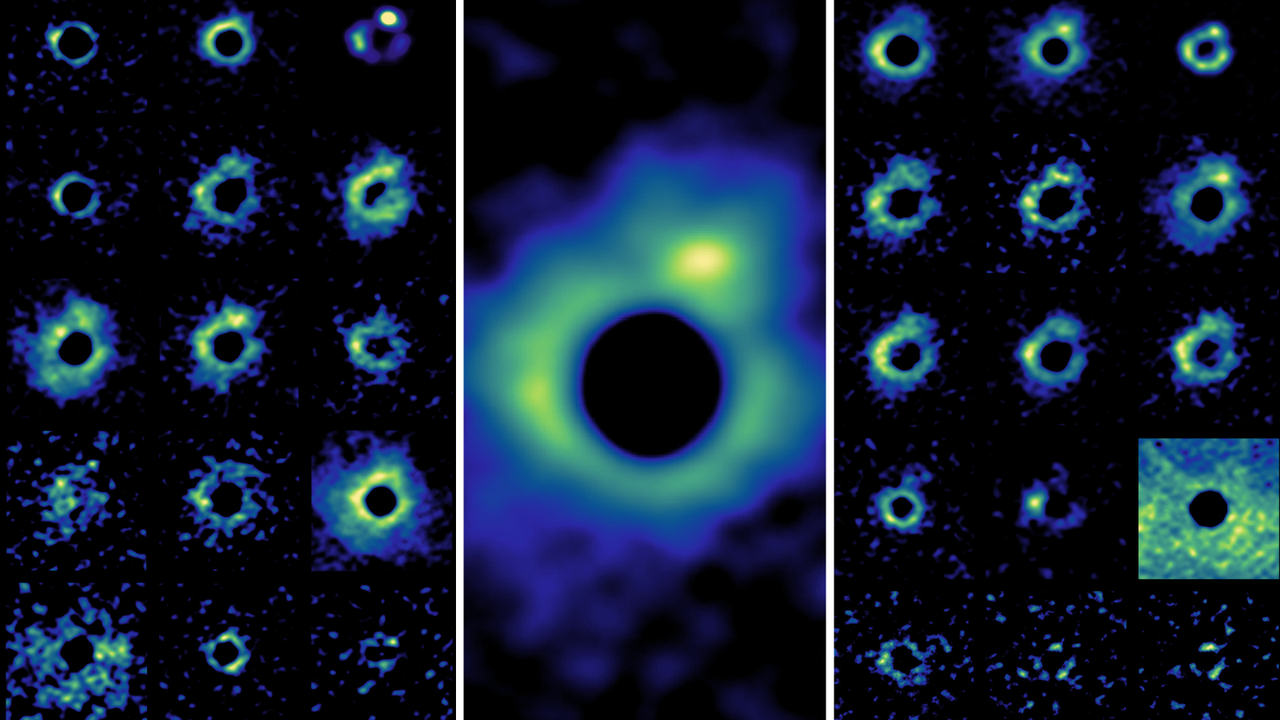
- Astronomers utilizing the Atacama Large Millimeter/submillimeter Array (ALMA) have achieved unprecedented clarity in observing the atmosphere of a dying star, providing insights into the eventual fate of our sun. This advancement allows for a deeper understanding of stellar evolution and the processes that occur as stars approach the end of their life cycles.
- The ability to observe dying stars with such detail is significant for astronomers as it enhances knowledge about stellar atmospheres and their transformations. This research could lead to improved models of stellar life cycles, including the sun's future, which is crucial for understanding the long-term changes in our solar system.
- As the sun enters a phase of increased activity, characterized by solar storms, the effects on Earth, such as enhanced northern lights, are anticipated. This period of heightened solar phenomena not only captivates skywatchers but also underscores the dynamic nature of our sun and its influence on the solar system, linking the study of dying stars to ongoing solar activity.
— via World Pulse Now AI Editorial System