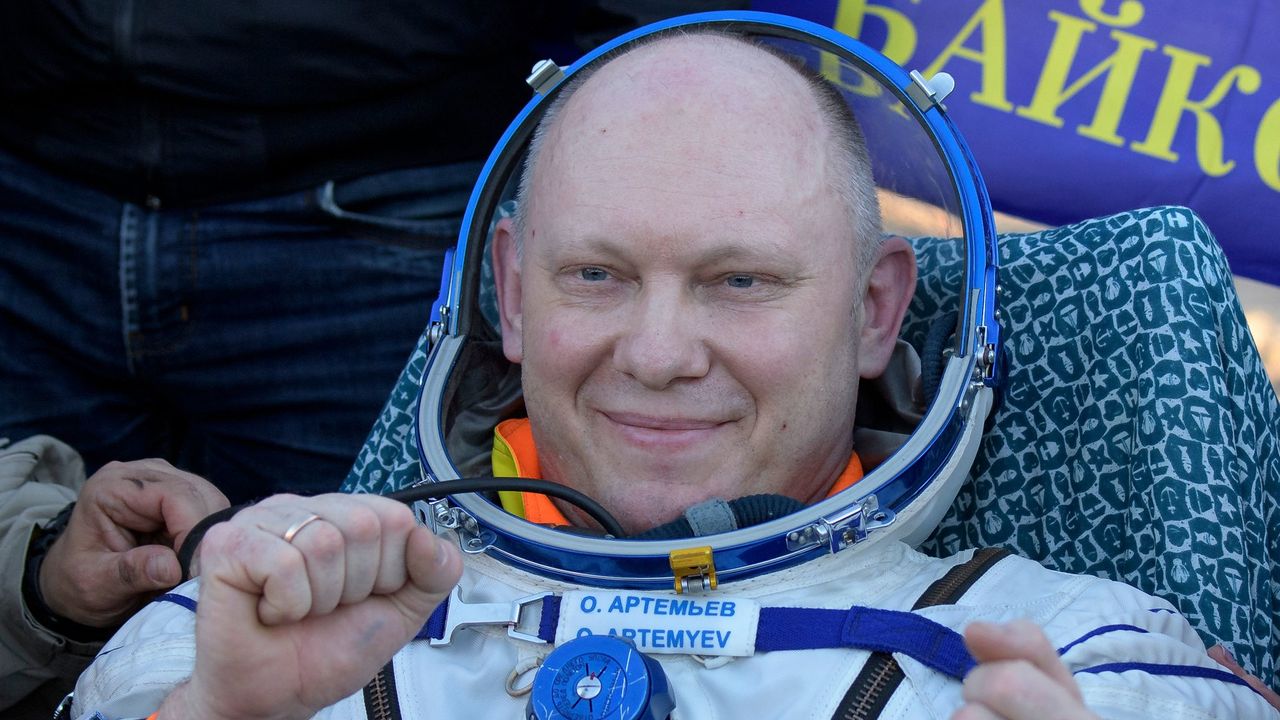
Veteran cosmonaut Oleg Artemyev has been removed from SpaceX's Crew 12 mission to the International Space Station due to violations of International Traffic in Arms Regulations (ITAR), as reported by The Insider. This decision highlights the stringent security protocols governing space missions involving international personnel.
Anacondas reached their massive size approximately 12 million years ago, a development that allowed them to thrive even as other giant reptiles faced extinction due to cooling temperatures and reduced habitats. This remarkable adaptation has enabled them to maintain their size without significant changes since that time.
A new mathematical equation has been developed that describes the distribution of fragment sizes when objects break, revealing that this distribution is consistent across various materials, including bubbles and spaghetti. This phenomenon is referred to as the 'law of maximal randomness.'
Archaeologists in Greece have uncovered a lavish 2,700-year-old tomb belonging to a noblewoman, which features an intriguing upside-down crown, symbolizing lost power. This discovery sheds light on the burial practices and social hierarchies of ancient Greek society.
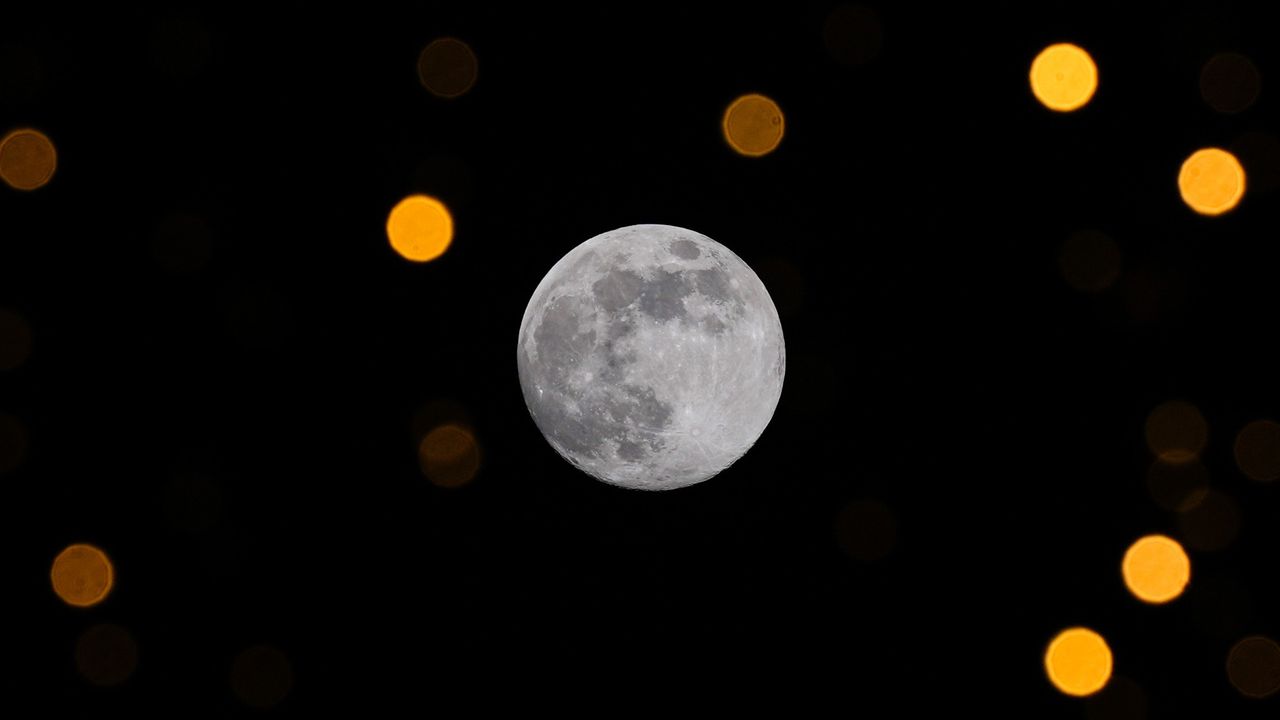
The Cold Moon, the final full moon of 2025, will rise on December 4, reaching its highest point in the night sky, marking a significant celestial event for stargazers. This full moon is also known as the 'Cold Supermoon' due to its occurrence in winter, a time when the moon appears particularly bright and large.
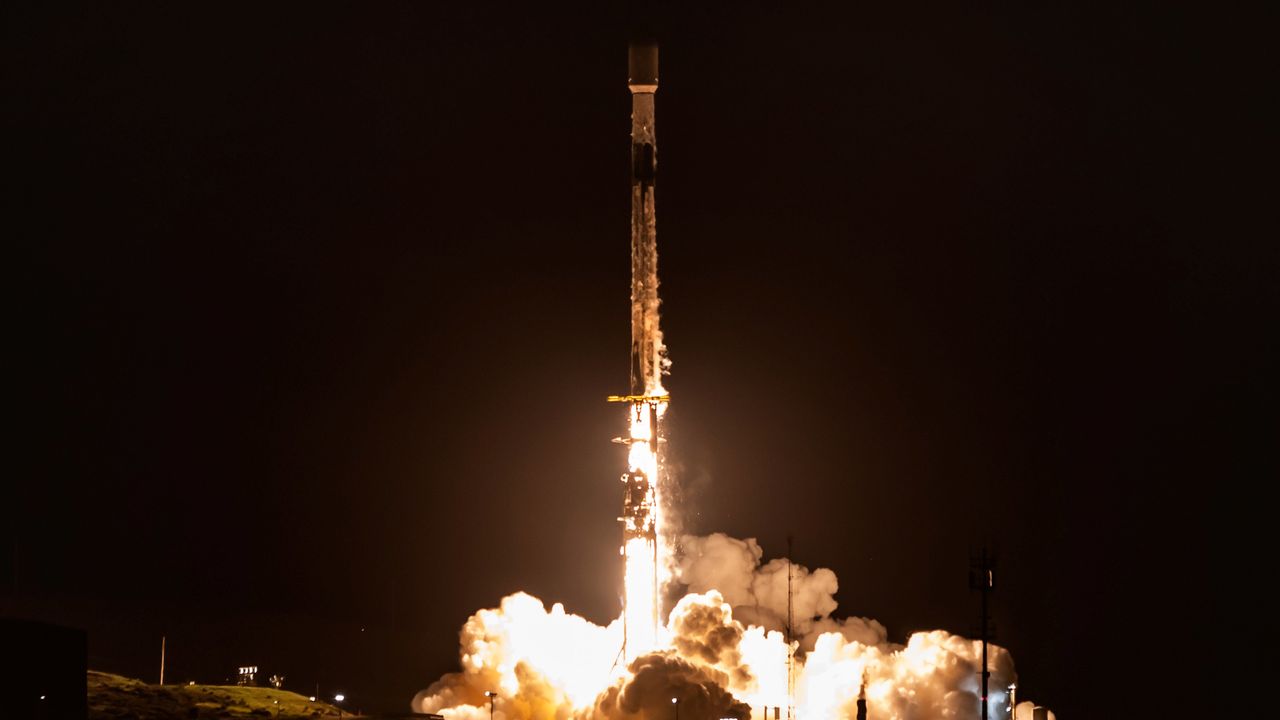
A SpaceX Falcon 9 rocket successfully launched 27 Starlink internet satellites from California on December 2, marking the company's 60th mission of the year. This launch underscores SpaceX's ongoing commitment to expanding its satellite internet service, which aims to provide global coverage.
A philosopher has proposed that time may not be a concrete reality but rather a psychological projection of the mind onto a timeless existence, suggesting that both physics and philosophy support this notion. This perspective challenges traditional views of time as a linear and measurable phenomenon.
New research indicates that as humans reduce emissions and global temperatures decline, Antarctica's Southern Ocean may initiate a thermal 'burp' that could last for a century. This phenomenon suggests a potential resurgence of warming in the region, counteracting current climate mitigation efforts.