Anacondas became massive 12 million years ago — and it worked so well, they haven't changed size since

Live ScienceTuesday, December 2, 2025 at 9:03:14 PM
PositiveScience
Anacondas became massive 12 million years ago — and it worked so well, they haven't changed size since
  • Anacondas reached their massive size approximately 12 million years ago, a development that allowed them to thrive even as other giant reptiles faced extinction due to cooling temperatures and reduced habitats. This remarkable adaptation has enabled them to maintain their size without significant changes since that time.
  • The persistence of anacondas as large reptiles highlights their successful evolutionary strategy in a changing environment. Their ability to survive and thrive where others have failed underscores the resilience of this species and raises questions about the ecological factors that support their continued existence.
— via World Pulse Now AI Editorial System


Was this article worth reading? Share it

Recommended apps based on your readingExplore all apps
Continue Readings
Law of 'maximal randomness' explains how broken objects shatter in the most annoying way possible
PositiveScience
A new mathematical equation has been developed that describes the distribution of fragment sizes when objects break, revealing that this distribution is consistent across various materials, including bubbles and spaghetti. This phenomenon is referred to as the 'law of maximal randomness.'
Elaborate 2,700-year-old tomb in Greece contains burial of a woman with an upside-down crown
PositiveScience
Archaeologists in Greece have uncovered a lavish 2,700-year-old tomb belonging to a noblewoman, which features an intriguing upside-down crown, symbolizing lost power. This discovery sheds light on the burial practices and social hierarchies of ancient Greek society.
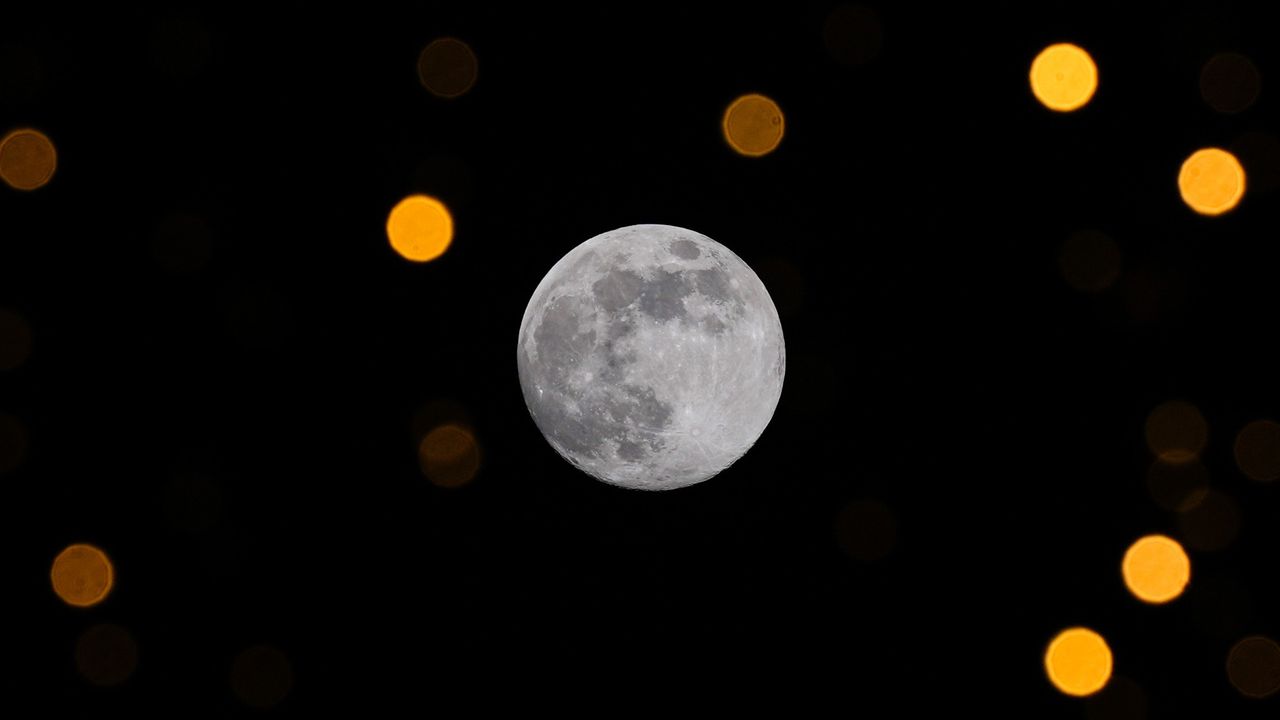
'Cold Supermoon' 2025: Why the final full moon of the year also towers highest
PositiveScience
The Cold Moon, the final full moon of 2025, will rise on December 4, reaching its highest point in the night sky, marking a significant celestial event for stargazers. This full moon is also known as the 'Cold Supermoon' due to its occurrence in winter, a time when the moon appears particularly bright and large.
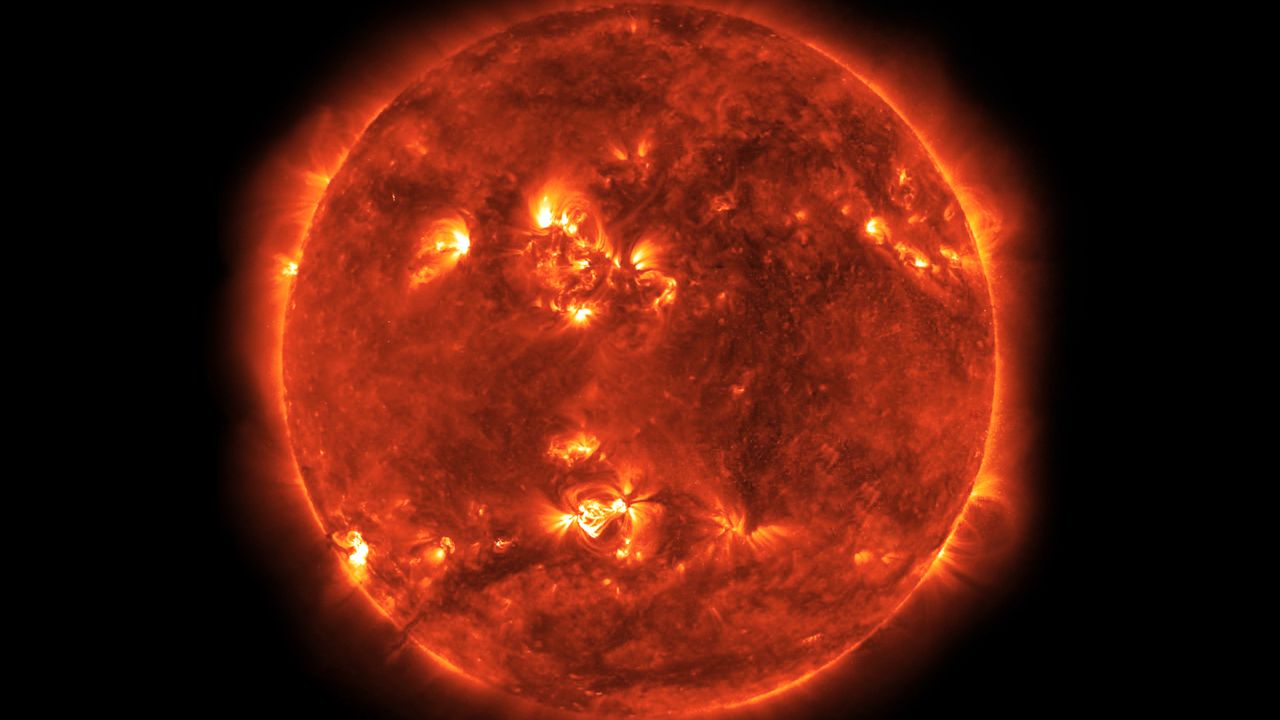
Today's biggest science news: SpaceX launch | Bomb cyclone | Solar flares
NeutralScience
On December 2, 2025, significant science news includes the successful launch of SpaceX's Falcon 9 rocket, which carried a new batch of Starlink satellites into orbit. This launch is part of SpaceX's ongoing efforts to enhance global internet connectivity through its satellite network.
Time may be a psychological projection, philosopher argues
NeutralScience
A philosopher has proposed that time may not be a concrete reality but rather a psychological projection of the mind onto a timeless existence, suggesting that both physics and philosophy support this notion. This perspective challenges traditional views of time as a linear and measurable phenomenon.
Antarctica's Southern Ocean might be gearing up for a thermal 'burp' that could last a century
NeutralScience
New research indicates that as humans reduce emissions and global temperatures decline, Antarctica's Southern Ocean may initiate a thermal 'burp' that could last for a century. This phenomenon suggests a potential resurgence of warming in the region, counteracting current climate mitigation efforts.