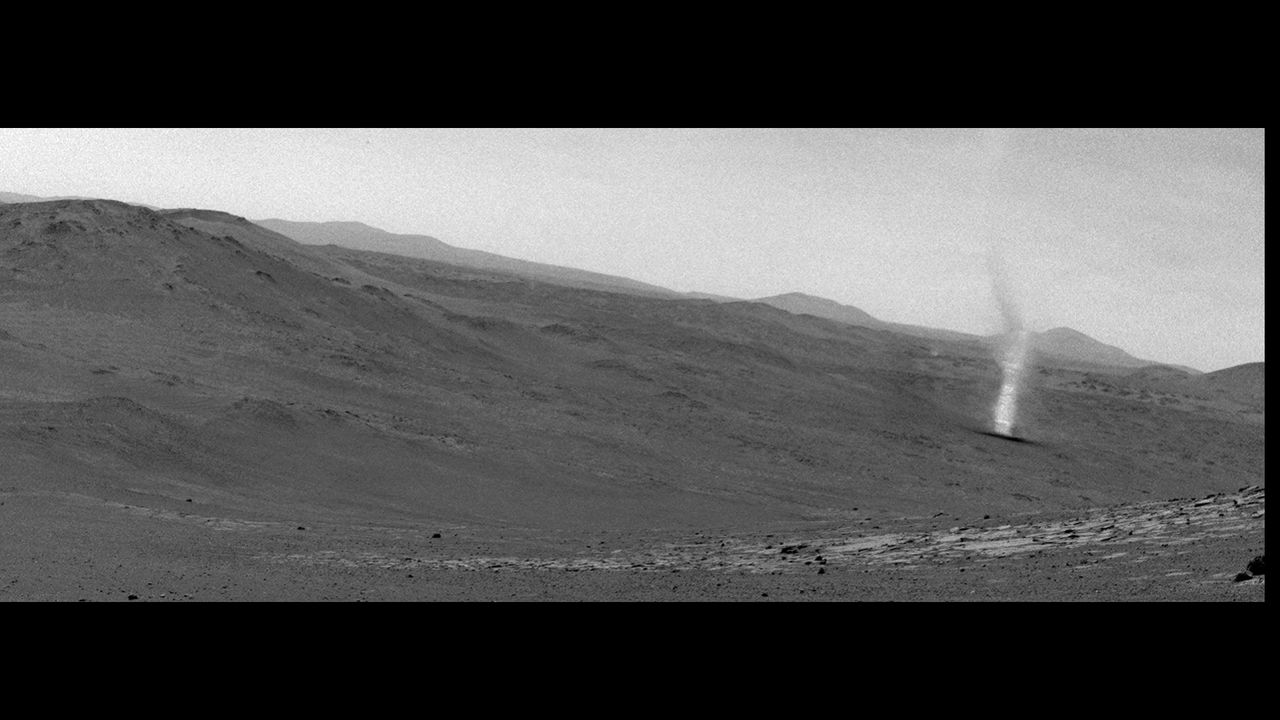
Hear dust devils on Mars crackle with electricity in new NASA Perseverance rover video

Space.comWednesday, December 10, 2025 at 11:00:00 AM
PositiveScience
Hear dust devils on Mars crackle with electricity in new NASA Perseverance rover video
  • NASA's Perseverance rover has captured audio evidence of lightning-like discharges in the thin atmosphere of Mars, marking a significant advancement in understanding the planet's atmospheric phenomena. This discovery allows scientists to hear dust devils crackling with electricity, providing new insights into Martian weather patterns.
  • The detection of electrical activity on Mars is crucial for NASA as it enhances the understanding of the planet's climate and atmospheric dynamics. This finding could lead to further exploration of Mars' weather systems and their implications for future missions and potential habitability.
  • This development aligns with ongoing research into Mars' atmospheric conditions, including the confirmation of lightning and the discovery of unusual geological features. Such findings contribute to a broader understanding of Mars' history, suggesting it may have once supported more dynamic weather systems, and highlight the importance of continued exploration in unraveling the mysteries of the Red Planet.
— via World Pulse Now AI Editorial System


Was this article worth reading? Share it

Continue Readings
NASA's Chandra telescope uses 'X-arithmetic' to reveal how black holes shape galaxy clusters (images)
PositiveScience
NASA's Chandra telescope has employed a novel technique known as 'X-arithmetic' to uncover how black holes influence the formation and evolution of galaxy clusters. This innovative approach allows scientists to analyze complex data and gain insights into the gravitational effects of black holes on their surrounding environments.
Einstein was right: Time ticks faster on Mars, posing new challenges for future missions
NeutralScience
A recent study has revealed that clocks on Mars tick faster by approximately 477 microseconds each Earth day, a phenomenon that aligns with Einstein's theory of relativity. This time discrepancy is notably greater than that observed on the Moon, which could introduce significant challenges for future crewed missions to the Red Planet.
Nasa loses contact with spacecraft orbiting Mars for more than a decade
NegativeScience
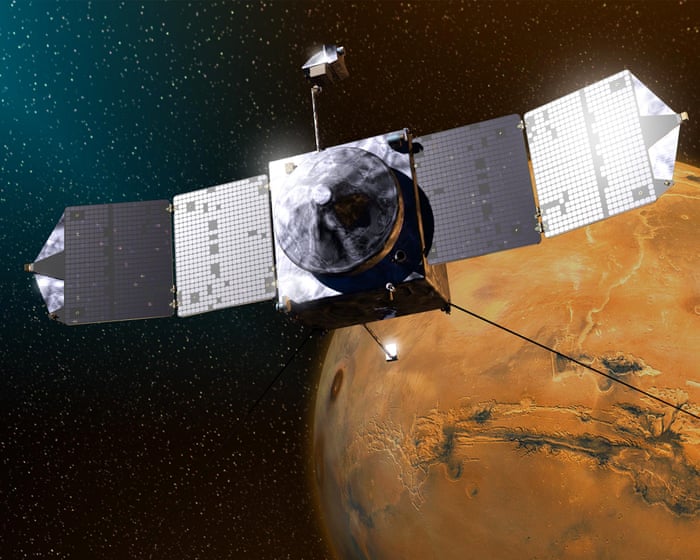
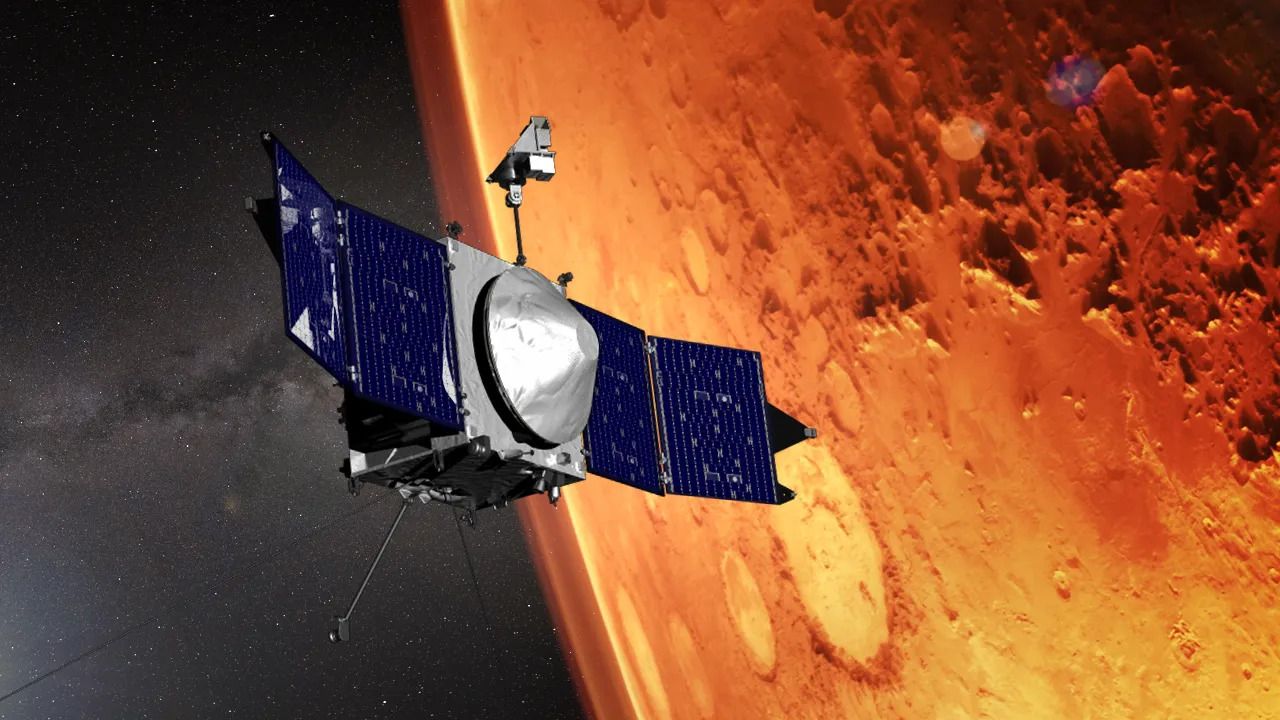
NASA has lost contact with the Maven spacecraft, which has been orbiting Mars for over a decade. The communication link was abruptly severed over the weekend, despite the spacecraft functioning normally prior to going behind the planet. Upon re-emergence, there was no signal from Maven.
NASA astronaut comes home after circling Earth 3,920 times
PositiveScience
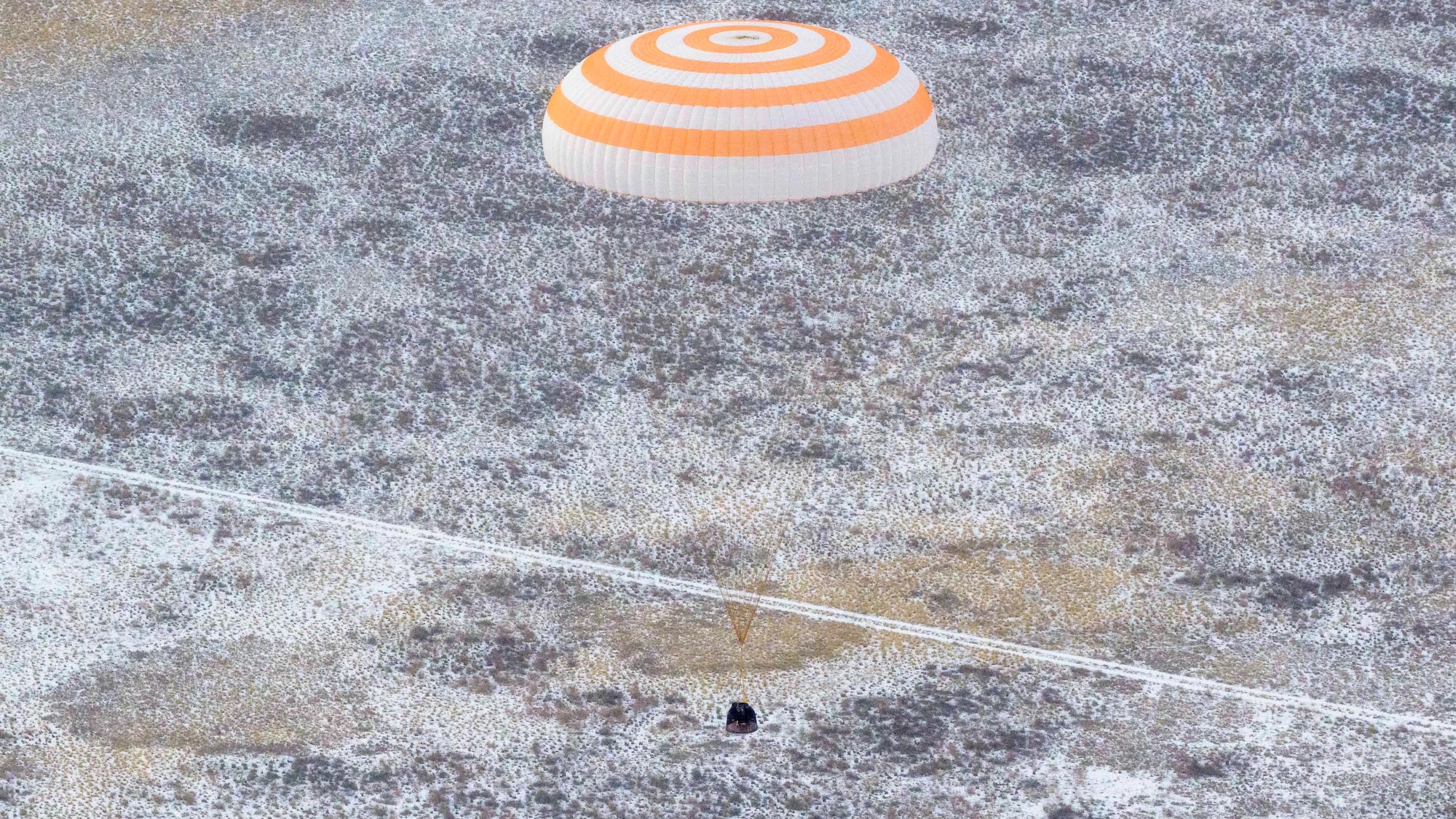
NASA astronaut Jonny Kim has returned to Earth after an extensive eight-month mission aboard the International Space Station (ISS), during which he completed 3,920 orbits around the planet. This mission concluded on December 9, 2025, marking a significant achievement in his career and contributions to space exploration.
NASA's loses contact with MAVEN Mars orbiter on the far side of the Red Planet
NegativeScience
NASA has lost contact with its MAVEN Mars orbiter while it was on the far side of the Red Planet. The communication link was abruptly severed, raising concerns about the status of the spacecraft, which had been operational for over a decade prior to this incident.
NASA Loses Signal from Critical Mars Orbiter
NegativeScience
NASA's MAVEN spacecraft failed to establish communication as expected on December 6, raising concerns about the status of this critical Mars orbiter. The loss of signal could hinder ongoing research into the Martian atmosphere and climate.
Can NASA Bring Mars Rocks Back to Earth?
NeutralScience
NASA's Perseverance rover has successfully collected significant samples from Mars, yet the mission to return these samples to Earth is encountering substantial obstacles that could delay or complicate the process.
Human Missions to Mars Must Search for Alien Life, New Report Finds
PositiveScience
A new report emphasizes that future human missions to Mars should prioritize the search for extraterrestrial life, highlighting the importance of this endeavor in understanding the planet's potential for hosting life. The study outlines strategic plans for crewed missions aimed at uncovering signs of life beyond Earth.