NASA astronaut comes home after circling Earth 3,920 times

Popular ScienceWednesday, December 10, 2025 at 8:31:22 PM
PositiveScience
NASA astronaut comes home after circling Earth 3,920 times
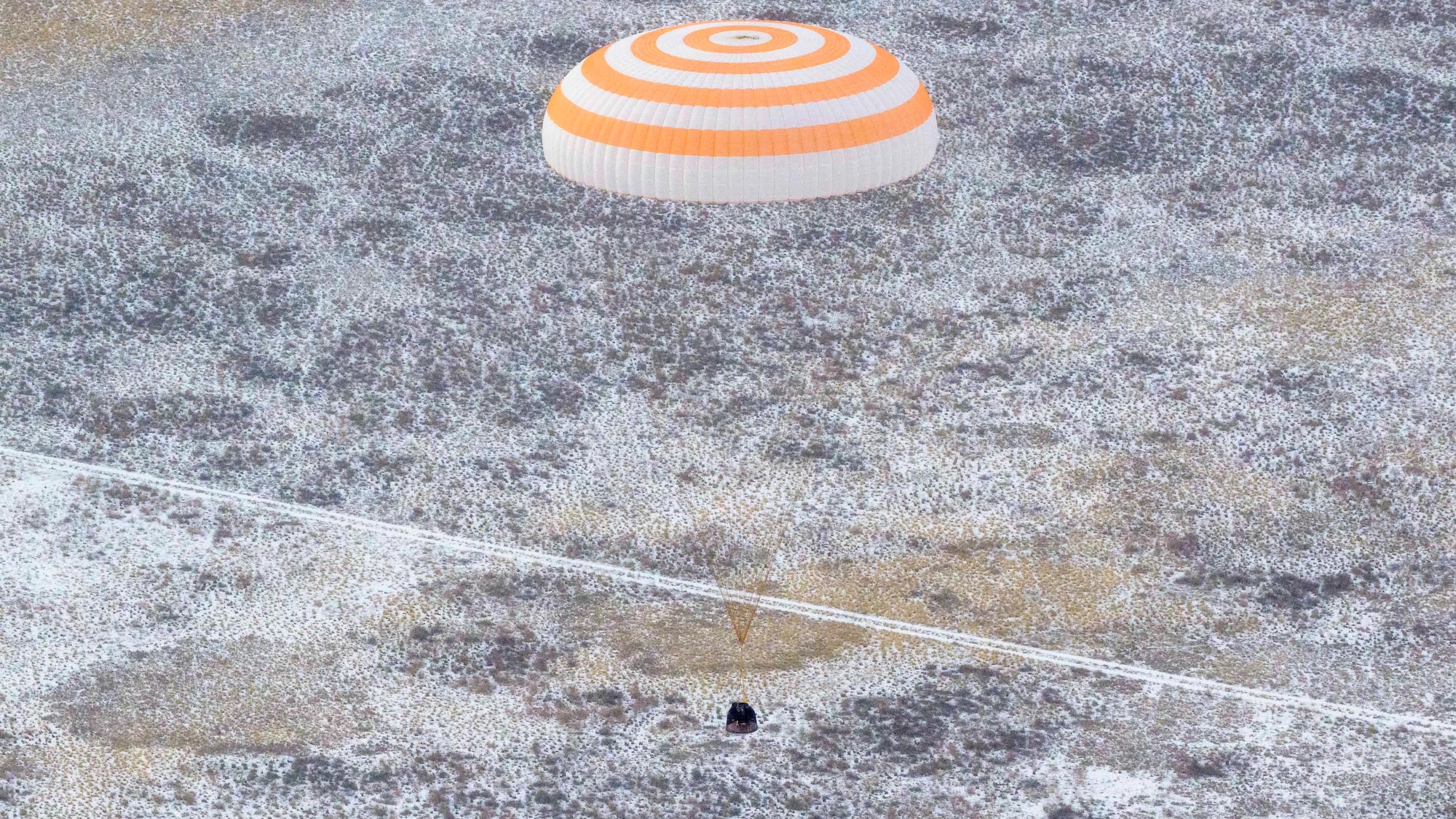
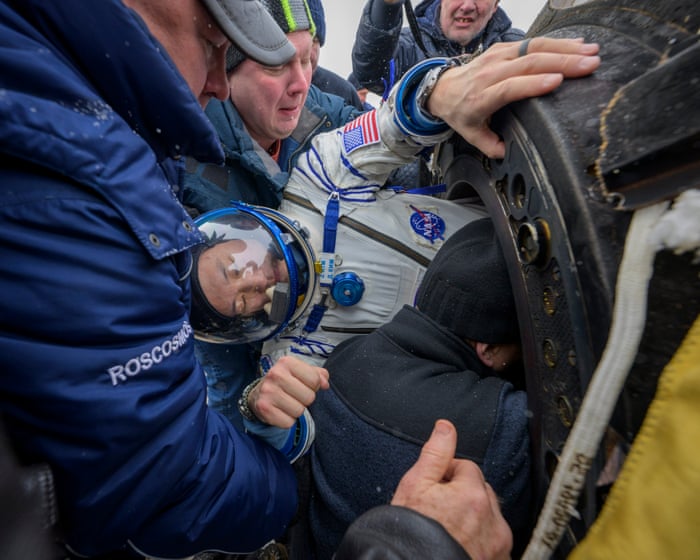
  • NASA astronaut Jonny Kim has returned to Earth after an extensive eight-month mission aboard the International Space Station (ISS), during which he completed 3,920 orbits around the planet. This mission concluded on December 9, 2025, marking a significant achievement in his career and contributions to space exploration.
  • The successful return of Jonny Kim, alongside two Russian cosmonauts, underscores the collaborative efforts between NASA and Roscosmos in advancing human spaceflight. This mission not only highlights Kim's personal accomplishments but also reflects the ongoing commitment to international cooperation in space research and exploration.
  • The return of astronauts from the ISS is part of a broader narrative of continuous human presence in space, which has lasted over 25 years. This milestone is significant as it showcases the advancements in space technology and the importance of human research in microgravity, paving the way for future missions and the potential for long-term habitation beyond Earth.
— via World Pulse Now AI Editorial System

Was this article worth reading? Share it

Continue Readings
NASA's Chandra telescope uses 'X-arithmetic' to reveal how black holes shape galaxy clusters (images)
PositiveScience
NASA's Chandra telescope has employed a novel technique known as 'X-arithmetic' to uncover how black holes influence the formation and evolution of galaxy clusters. This innovative approach allows scientists to analyze complex data and gain insights into the gravitational effects of black holes on their surrounding environments.
AI helps pilot free-flying robot around the International Space Station for 1st time ever
PositiveScience
AI has successfully piloted a free-flying robot around the International Space Station (ISS) for the first time, marking a significant milestone in the integration of artificial intelligence in space operations. This achievement demonstrates the potential of AI to enhance robotic capabilities in complex environments such as space.
NASA's loses contact with MAVEN Mars orbiter on the far side of the Red Planet
NegativeScience
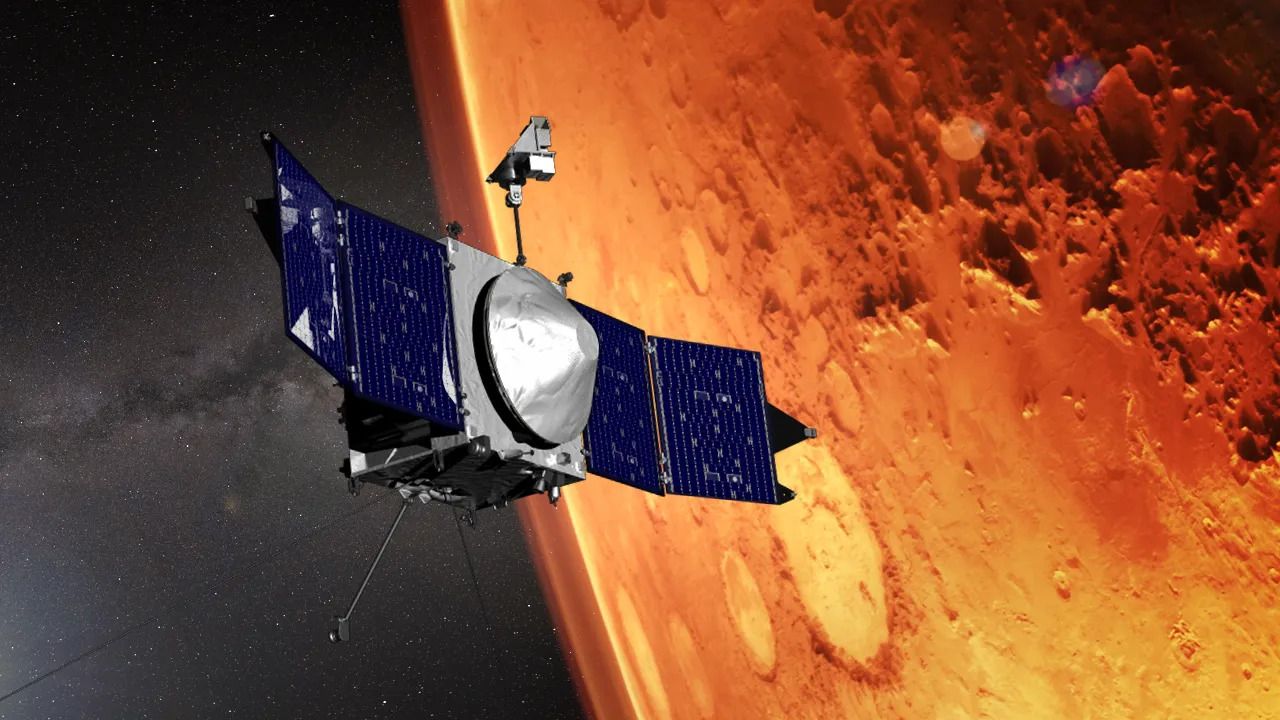
NASA has lost contact with its MAVEN Mars orbiter while it was on the far side of the Red Planet. The communication link was abruptly severed, raising concerns about the status of the spacecraft, which had been operational for over a decade prior to this incident.
NASA Loses Signal from Critical Mars Orbiter
NegativeScience
NASA's MAVEN spacecraft failed to establish communication as expected on December 6, raising concerns about the status of this critical Mars orbiter. The loss of signal could hinder ongoing research into the Martian atmosphere and climate.
Can NASA Bring Mars Rocks Back to Earth?
NeutralScience
NASA's Perseverance rover has successfully collected significant samples from Mars, yet the mission to return these samples to Earth is encountering substantial obstacles that could delay or complicate the process.
Hear dust devils on Mars crackle with electricity in new NASA Perseverance rover video
PositiveScience
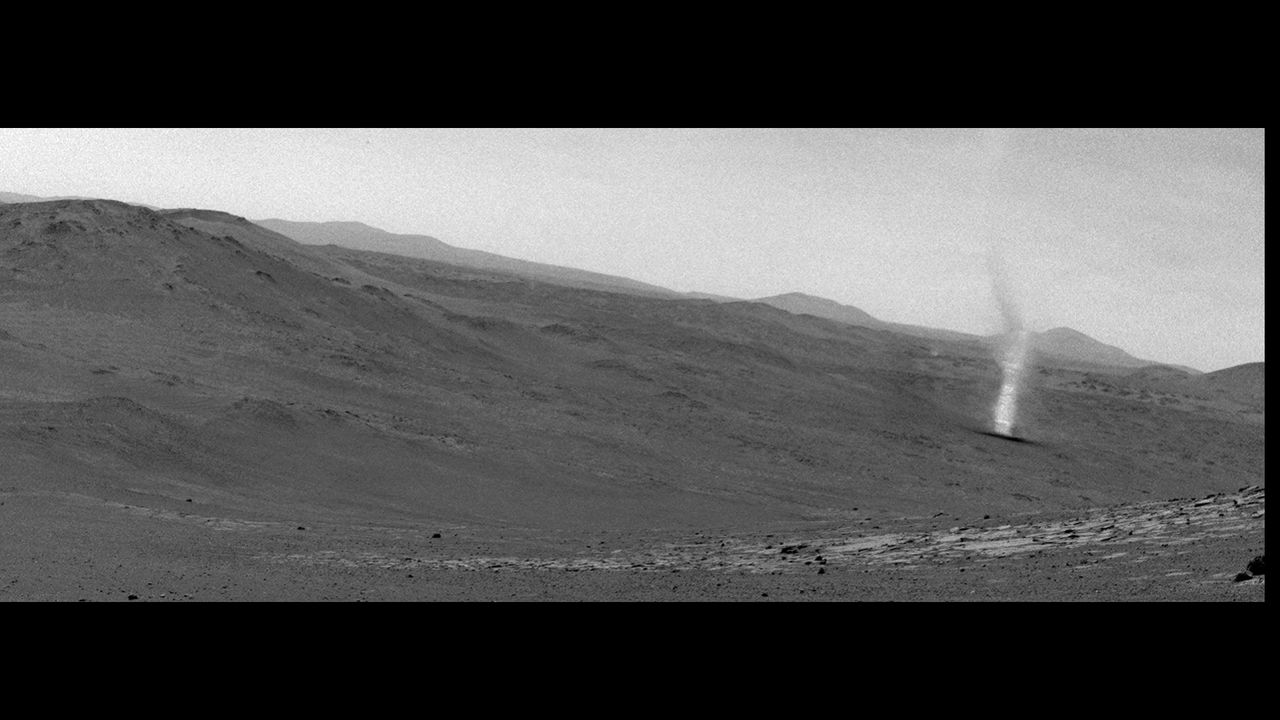
NASA's Perseverance rover has captured audio evidence of lightning-like discharges in the thin atmosphere of Mars, marking a significant advancement in understanding the planet's atmospheric phenomena. This discovery allows scientists to hear dust devils crackling with electricity, providing new insights into Martian weather patterns.
NASA’s JWST Spots Most Ancient Supernova Ever Observed
PositiveScience
Astronomers using NASA's James Webb Space Telescope (JWST) have identified the most ancient supernova ever observed, dating back to a time when the universe was less than a billion years old. This discovery marks a significant milestone in understanding the early universe and the formation of celestial bodies.
Astronauts successfully return to Earth after ISS command change – video
PositiveScience
Three crew members, including cosmonaut Sergey Ryzhikov and NASA astronaut Mike Fincke, successfully returned to Earth after a 245-day mission aboard the International Space Station (ISS). The return was marked by a change of command ceremony where Ryzhikov symbolically handed over command to Fincke. The spacecraft landed near Zhezkazgan, Kazakhstan, at 8:04 AM Moscow time.