Northern lights may be visible in 15 states Dec. 9

Space.comMonday, December 8, 2025 at 4:05:53 PM
NeutralScience
Northern lights may be visible in 15 states Dec. 9
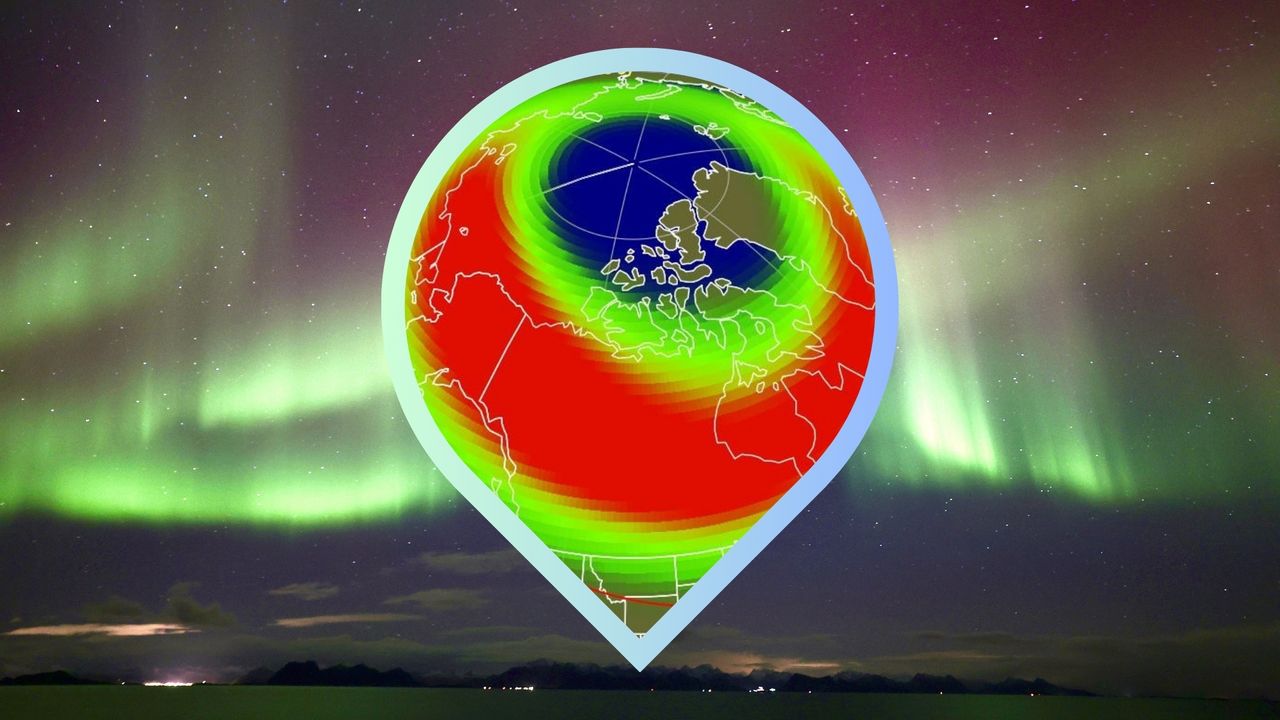
  • A coronal mass ejection is expected to impact Earth today, potentially allowing the northern lights to be visible across 15 states, from Alaska to New York. This event follows a similar occurrence on December 3, when a geomagnetic storm enabled visibility of the auroras across the same region.
  • The visibility of the northern lights is significant for both scientific observation and public interest, as it draws attention to solar activity and its effects on Earth's atmosphere. Such phenomena can enhance public engagement with space science and education.
  • The recurring visibility of the northern lights highlights the influence of solar winds and geomagnetic storms on Earth's magnetic field. These events not only captivate the public but also serve as reminders of the dynamic interactions between solar activity and terrestrial phenomena, emphasizing the importance of monitoring space weather.
— via World Pulse Now AI Editorial System

Was this article worth reading? Share it

Continue Readings
Lawsuit Seeks to Stop Oil Exploration in Remote Areas of the Arctic
NegativeScience
A federal lawsuit has been filed to halt proposed oil exploration by ConocoPhillips in remote areas of the Arctic, arguing that the activities could jeopardize fragile ecosystems in the largest tract of public land in the United States. The lawsuit highlights concerns over the environmental impact of oil drilling near the North Slope of Alaska, particularly at the Willow site, another ConocoPhillips project.
Einstein was right: Time ticks faster on Mars, posing new challenges for future missions
NeutralScience
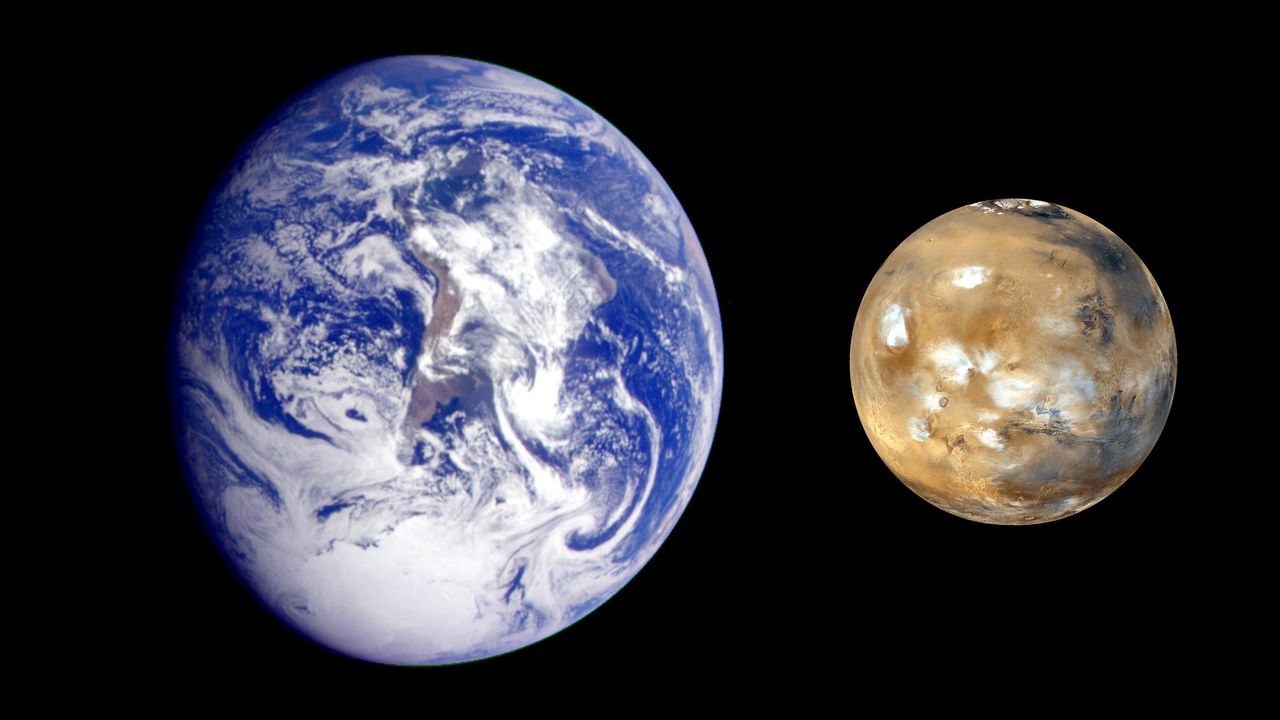
A recent study has revealed that clocks on Mars tick faster by approximately 477 microseconds each Earth day, a phenomenon that aligns with Einstein's theory of relativity. This time discrepancy is notably greater than that observed on the Moon, which could introduce significant challenges for future crewed missions to the Red Planet.
Uranus may have more in common with Earth than we thought, 40-year-old Voyager 2 probe data shows
PositiveScience
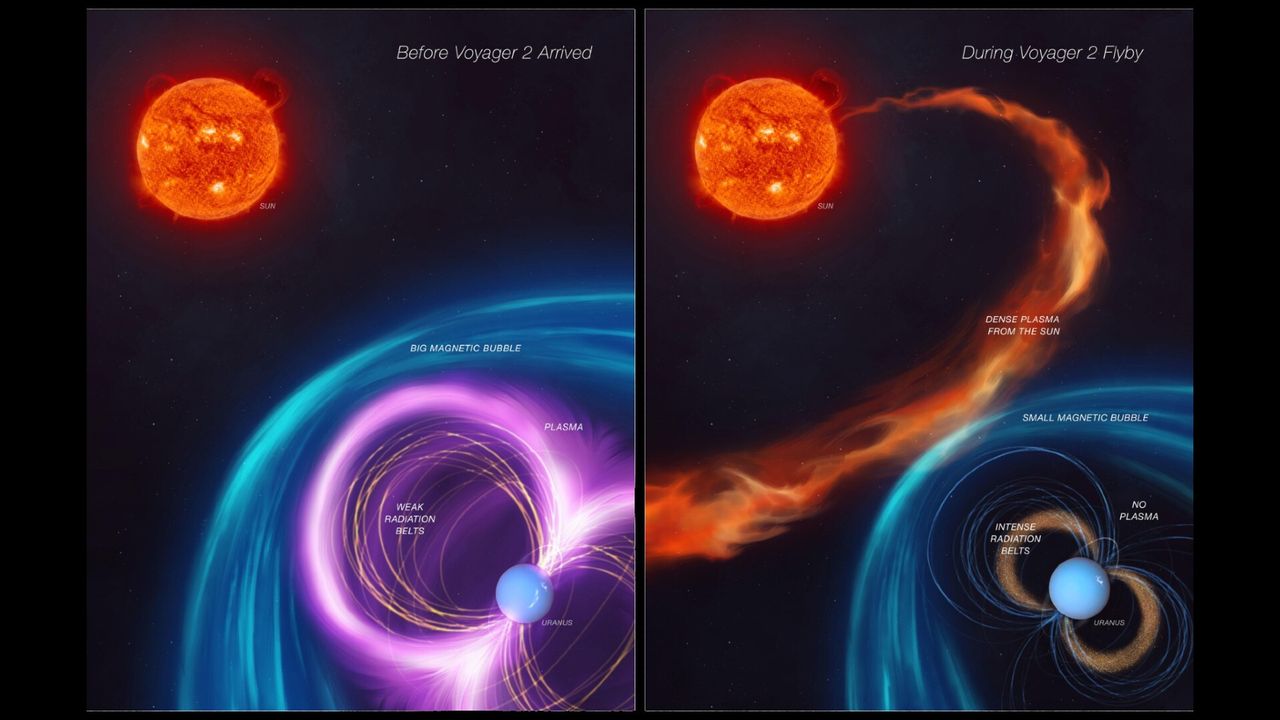
Recent analysis of data from the Voyager 2 probe has revealed that Uranus may share more similarities with Earth than previously understood, addressing a long-standing mystery in planetary science. This finding is based on nearly 40 years of data, which has provided new insights into the characteristics of Uranus.
Earth's crust hides enough 'gold' hydrogen to power the world for tens of thousands of years, emerging research suggests
PositiveScience
Emerging research indicates that Earth's crust contains significant reservoirs of hydrogen gas, which could potentially provide a sustainable energy source for tens of thousands of years. This discovery highlights the natural formation of hydrogen, presenting an opportunity for decarbonization efforts worldwide.

Ready to build your own newsroom?

Subscribe once and get a personalised feed, podcast, newsletter, and notifications tuned to the topics you actually care about.