Uranus may have more in common with Earth than we thought, 40-year-old Voyager 2 probe data shows

Space.comWednesday, December 10, 2025 at 3:00:00 PM
PositiveScience
Uranus may have more in common with Earth than we thought, 40-year-old Voyager 2 probe data shows
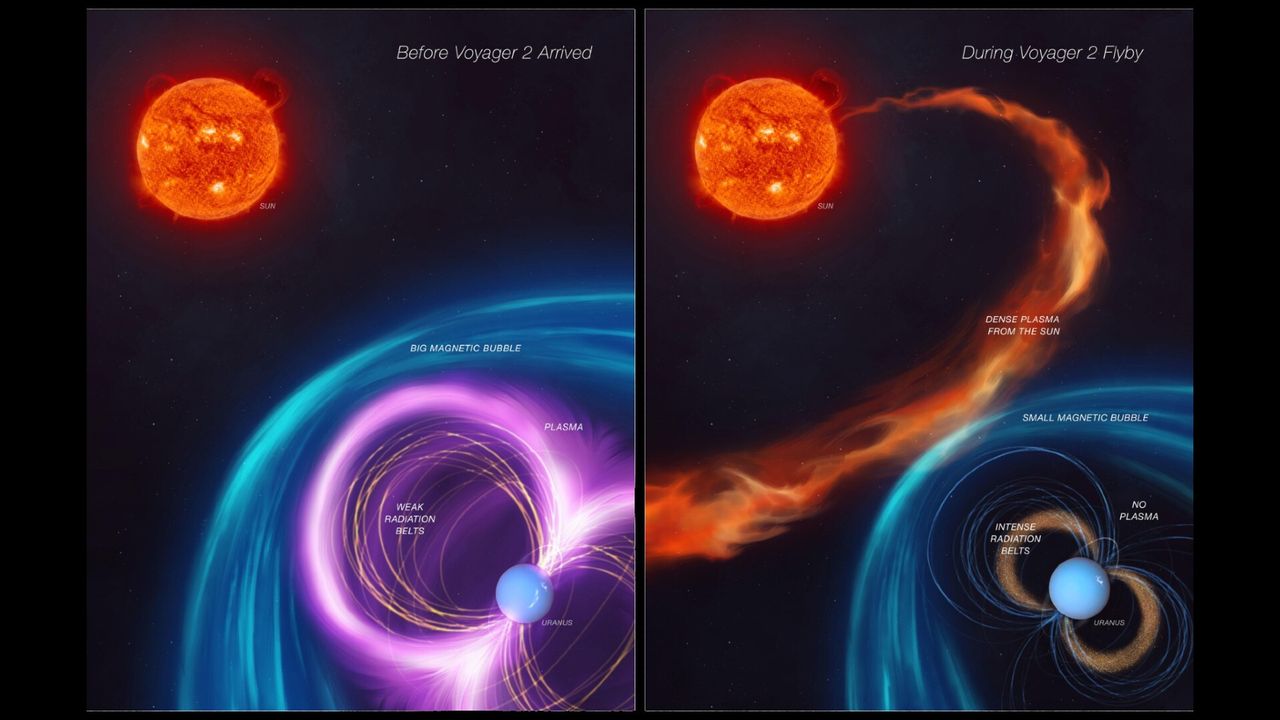
  • Recent analysis of data from the Voyager 2 probe has revealed that Uranus may share more similarities with Earth than previously understood, addressing a long-standing mystery in planetary science. This finding is based on nearly 40 years of data, which has provided new insights into the characteristics of Uranus.
  • The implications of this discovery are significant for scientists, as it enhances the understanding of Uranus's atmospheric and geological features, potentially reshaping theories about the formation and evolution of ice giants in our solar system.
  • This development also aligns with ongoing research into Uranus's moons, such as Ariel, which may have once contained subsurface oceans, and the unique characteristics of its small moons, which are dark and water-poor. These findings contribute to a broader understanding of celestial bodies and their potential for harboring conditions similar to those on Earth.
— via World Pulse Now AI Editorial System


Was this article worth reading? Share it

Continue Readings
Scientists Explain How mRNA COVID Vaccines May Rarely Cause Myocarditis
NeutralScience
A new study has identified a mechanism by which mRNA COVID vaccines may, in rare instances, lead to myocarditis, a form of heart inflammation. This condition can also occur as a result of the COVID-19 disease itself, highlighting a potential link between vaccination and heart health concerns.
Scientists create new solid-state sodium-ion battery — they say it'll make EVs cheaper and safer
PositiveScience
Scientists have developed a new solid-state sodium-ion battery, which is touted as a cheaper and safer alternative to traditional lithium-ion systems, potentially revolutionizing electric vehicle (EV) technology. This innovation marks a significant step towards more sustainable energy solutions in the automotive sector.
Ancient Humans Were Making Fire 350,000 Years Earlier Than Scientists Realized
NeutralScience
Recent research indicates that ancient humans were capable of making fire 350,000 years earlier than previously believed. This significant finding challenges existing timelines regarding the development of this crucial skill among early ancestors.
Earth's crust hides enough 'gold' hydrogen to power the world for tens of thousands of years, emerging research suggests
PositiveScience
Emerging research indicates that Earth's crust contains significant reservoirs of hydrogen gas, which could potentially provide a sustainable energy source for tens of thousands of years. This discovery highlights the natural formation of hydrogen, presenting an opportunity for decarbonization efforts worldwide.
ISS astronauts watch Earth's atmosphere glow green | Space photo of the day for Dec. 8, 2025
NeutralScience
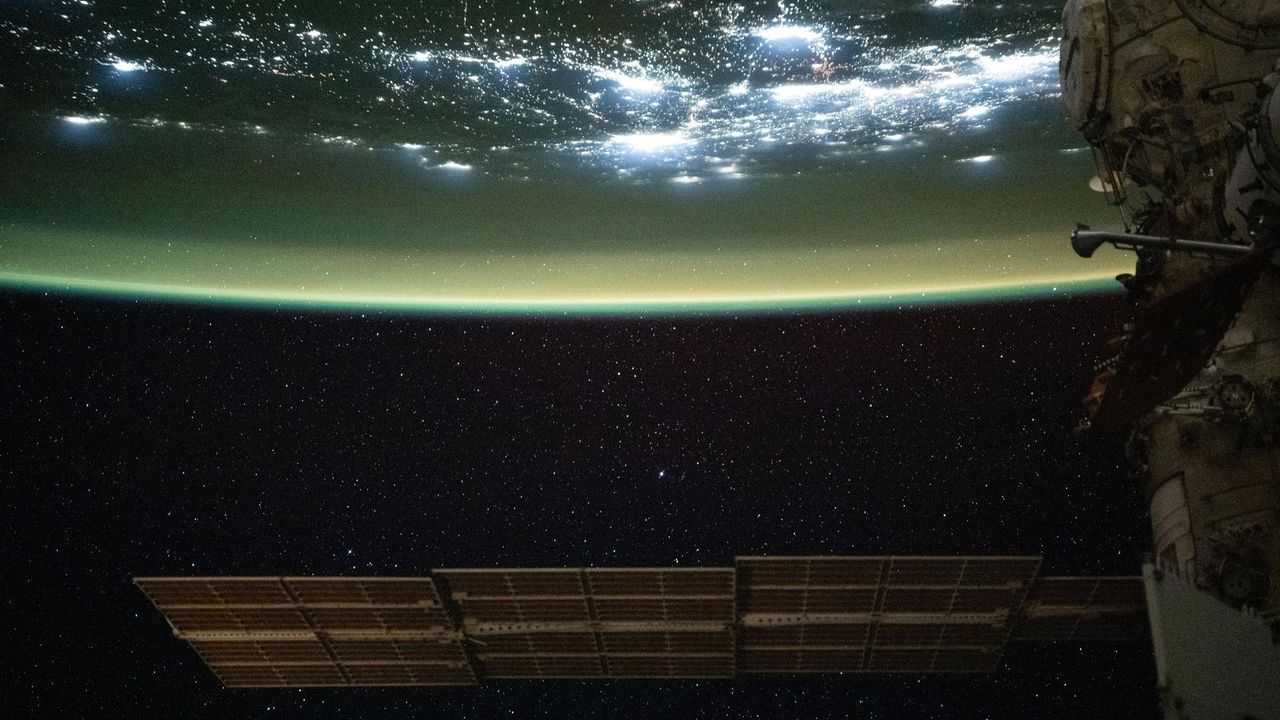
Astronauts aboard the International Space Station (ISS) recently observed and photographed a captivating phenomenon known as airglow, which causes Earth's atmosphere to emit a greenish light. This event was documented as the space photo of the day for December 8, 2025, showcasing the unique visual experiences available from low Earth orbit.
Scientists discover cosmic 'scar' in interstellar clouds left by a close shave between our sun and 2 intruder stars
NeutralScience
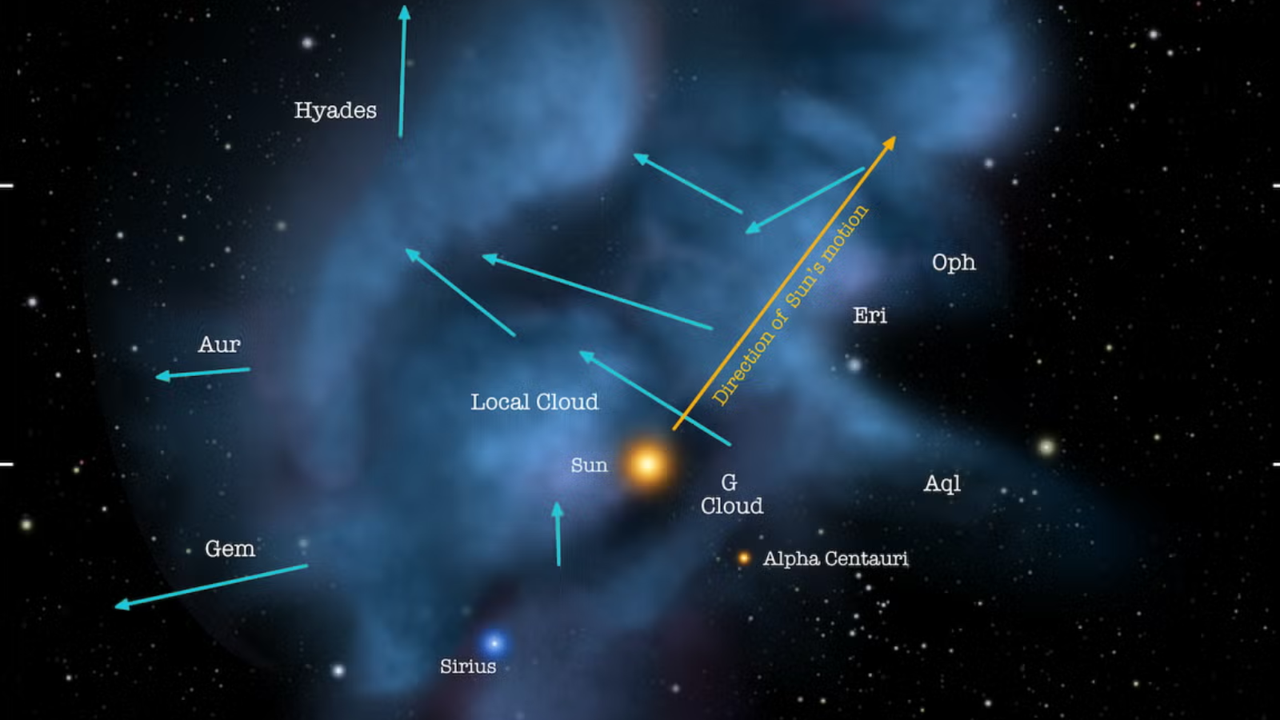
Scientists have identified a cosmic 'scar' in interstellar clouds, a remnant of a close encounter between our sun and two intruder stars. This discovery highlights the dynamic nature of our galaxy and the interactions that shape it, likened to a moving jigsaw puzzle where pieces are constantly shifting.
Which exoplanet in the TRAPPIST-1 system could be habitable? Scientists are modeling the star to find out
PositiveScience
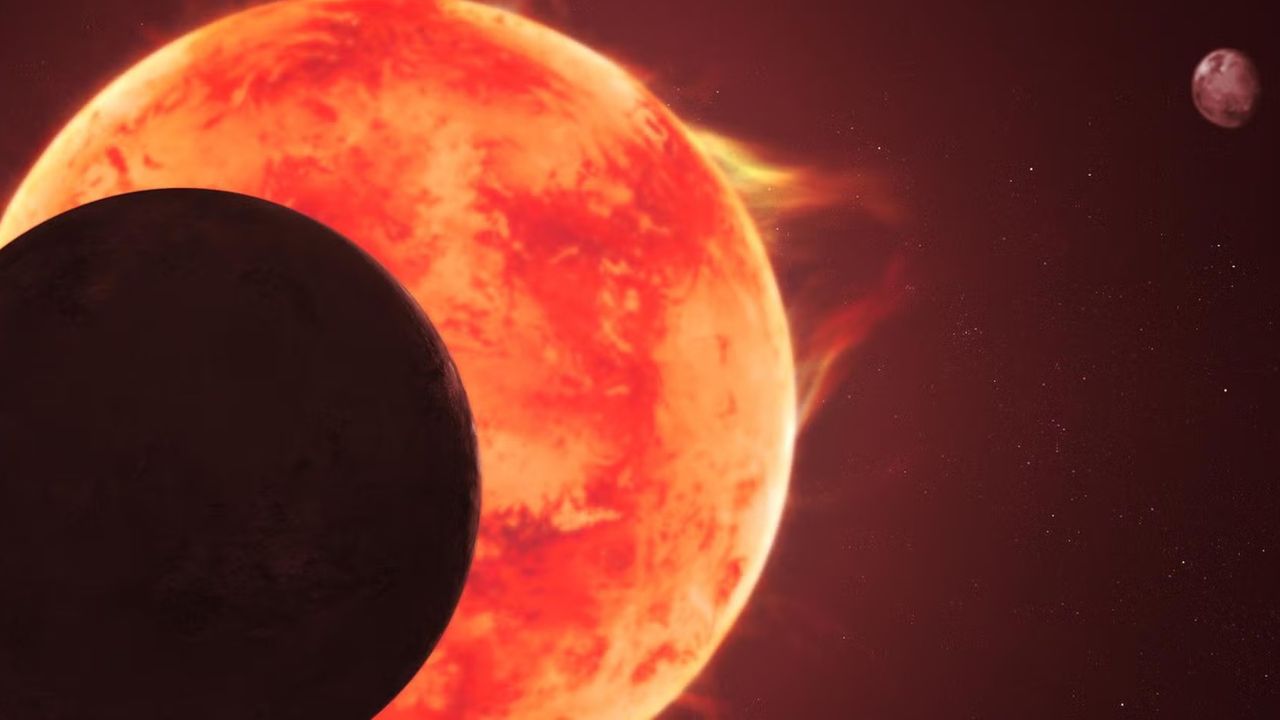
Scientists are modeling the star TRAPPIST-1 to investigate which exoplanet in its system could potentially be habitable. Frequent flares from TRAPPIST-1 may provide new insights into the conditions that could support life beyond Earth.
Northern lights may be visible in 15 states Dec. 9
NeutralScience
A coronal mass ejection is expected to impact Earth today, potentially allowing the northern lights to be visible across 15 states, from Alaska to New York. This event follows a similar occurrence on December 3, when a geomagnetic storm enabled visibility of the auroras across the same region.