Viruses may be more powerful in the International Space Station's microgravity environment

Space.comTuesday, January 13, 2026 at 7:00:00 PM
NeutralScience
Viruses may be more powerful in the International Space Station's microgravity environment
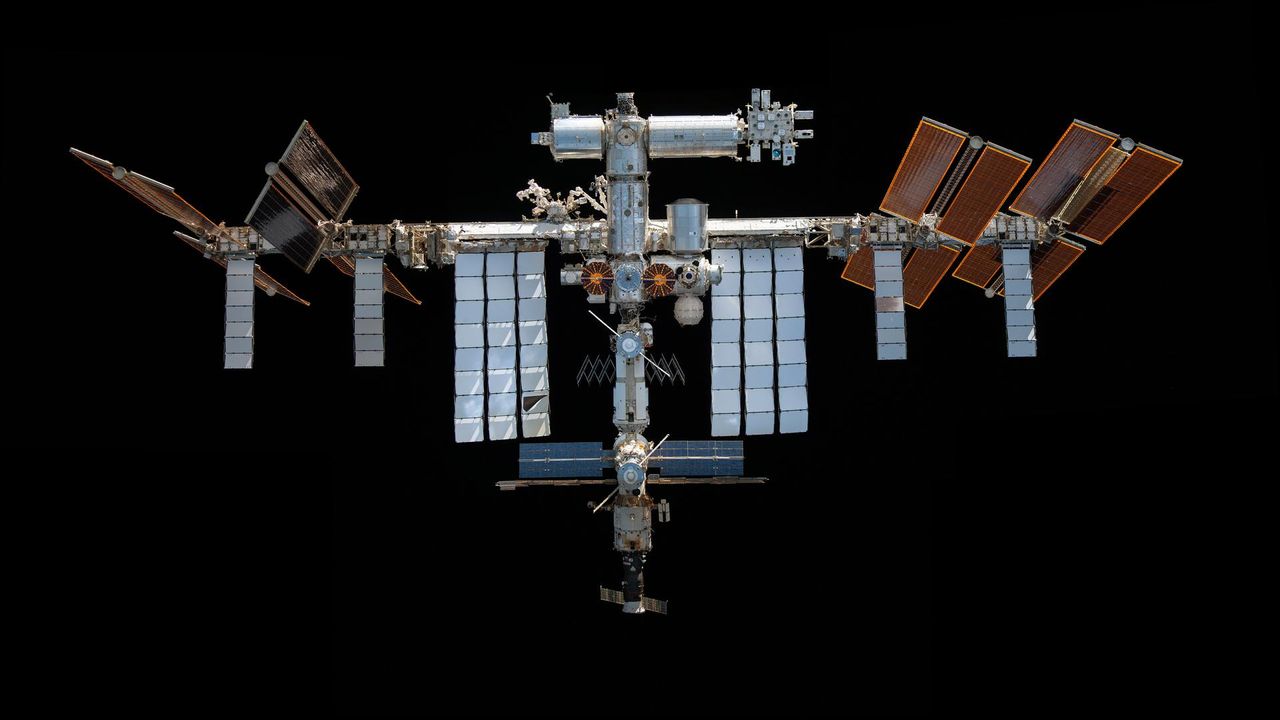
  • Research indicates that viruses may exhibit enhanced capabilities in the microgravity environment of the International Space Station (ISS), suggesting that microgravity influences viral evolution in ways that remain largely unexplored.
  • This finding is significant as it opens new avenues for understanding viral behavior and evolution, which could have implications for both space biology and terrestrial health, particularly in the context of emerging viral threats.
  • The study of organisms like viruses and moss spores in space highlights the resilience of life in extreme conditions, prompting further investigation into how microgravity affects biological processes and the potential for life beyond Earth.
— via World Pulse Now AI Editorial System
Was this article worth reading? Share it

Recommended apps based on your readingExplore all apps
Continue Readings
Massive supernova explosion may have created a binary black hole
PositiveScience
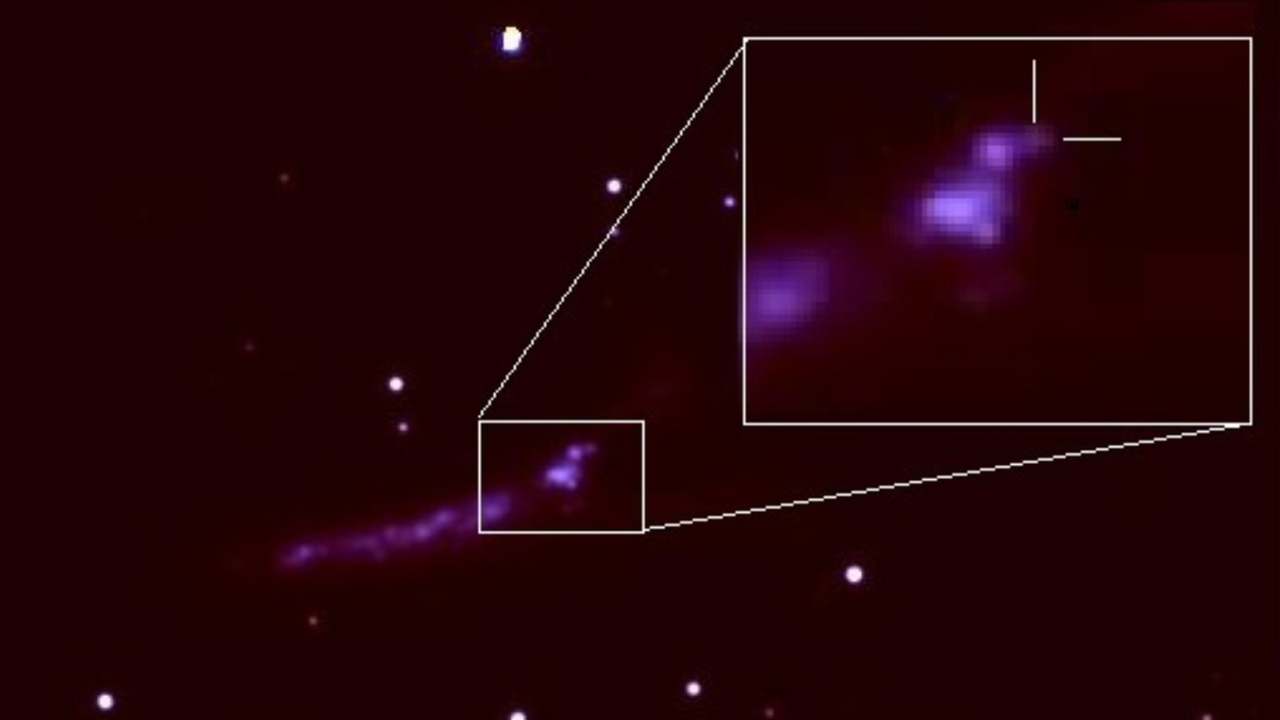
A recent study suggests that a massive supernova explosion may have led to the formation of a binary black hole, providing new insights into the evolutionary history of massive stars. This finding highlights the complex processes involved in stellar evolution and the eventual creation of black holes.
NASA X-ray instrument finds black holes act like 'cosmic seesaws' shaping the universe
PositiveScience
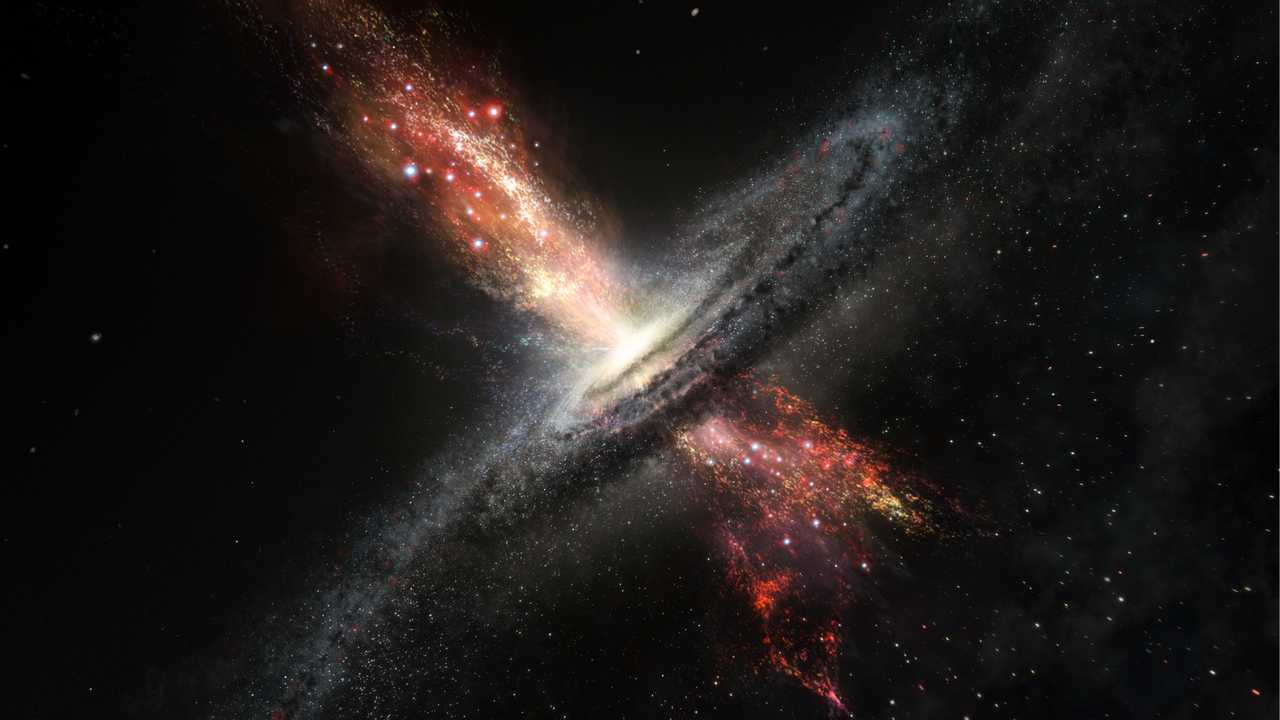
NASA's X-ray instrument has discovered that black holes behave like 'cosmic seesaws,' influencing the dynamics of their accretion flows in a manner described as an energetic tug-of-war. This finding sheds light on the complex interactions occurring within black holes and their surroundings.
How Mars' ancient lakes grew shields of ice to stay warm as the Red Planet froze
NeutralScience
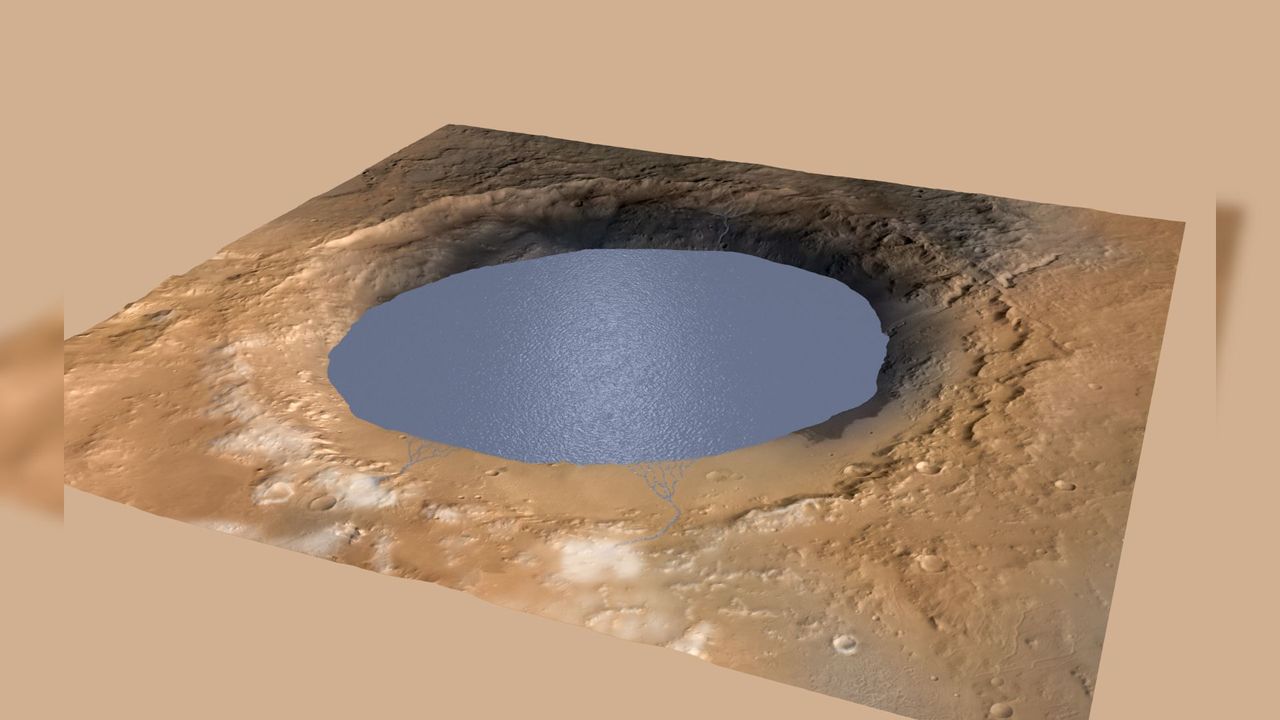
Recent findings suggest that ancient lakes on Mars developed ice shields to maintain warmth, potentially explaining how liquid water persisted on the planet despite a colder climate. This discovery sheds light on Mars' hydrological history and its capacity to support water in various forms.
ISS astronaut medical evacuation latest news: Crew-11 astronauts now returning to Earth
NeutralScience
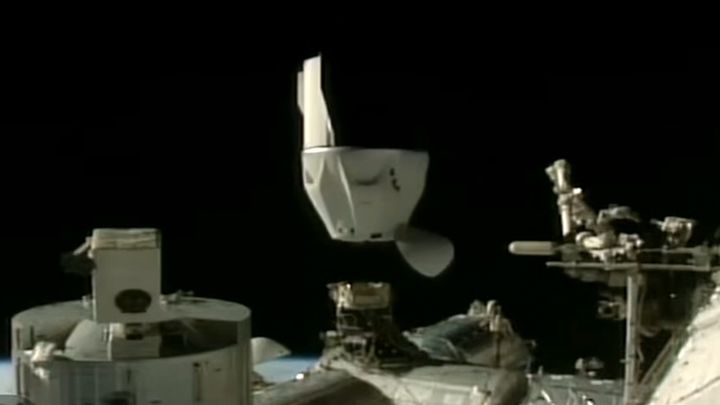
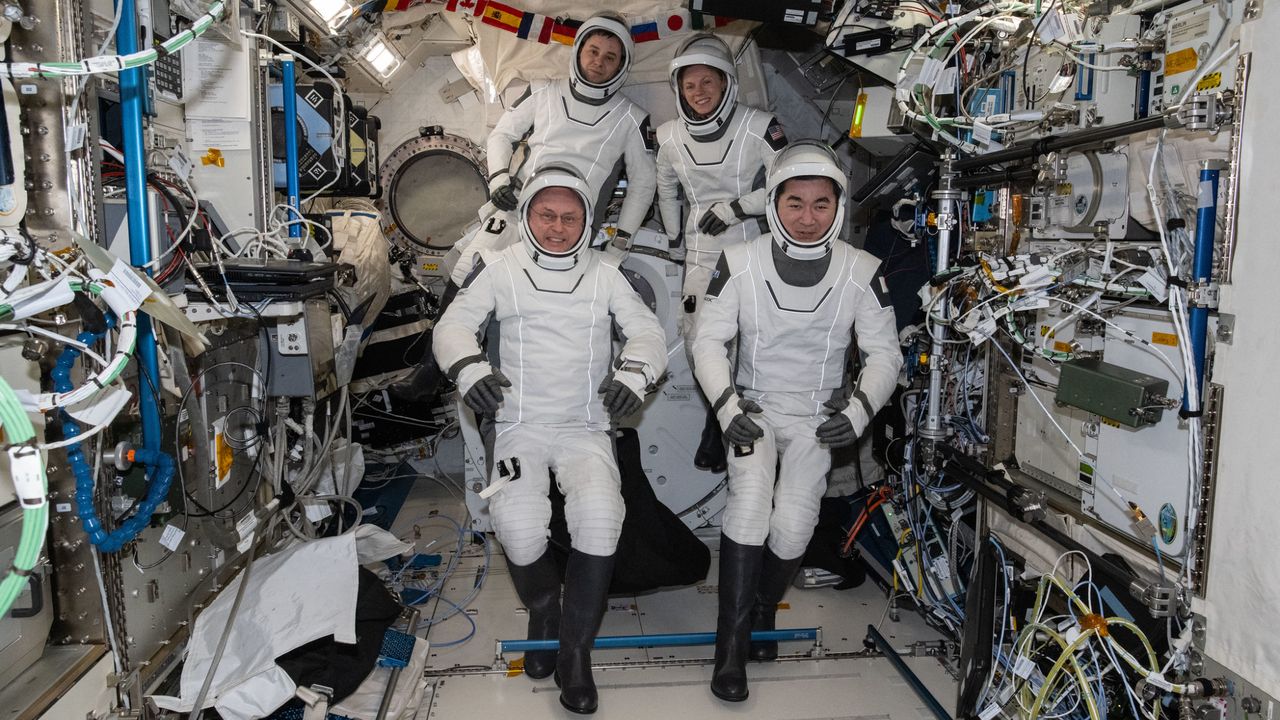
NASA is returning four astronauts from the International Space Station (ISS) earlier than planned due to a medical concern affecting one of the Crew-11 astronauts. This decision marks the first-ever medical evacuation from the ISS, highlighting the agency's commitment to crew safety. The astronauts are expected to return to Earth soon, following the agency's protocols for such emergencies.
Satellite sees snowy Greenland peaks from space | Space photo of the day for Jan. 14, 2026
NeutralScience
A recent satellite image captured snowy peaks in Greenland, highlighting the region's significant influence on local climate patterns. This observation underscores the ongoing changes in the Arctic environment as climate dynamics evolve.
Crew-11 astronauts undock in 1st-ever medical evacuation from the International Space Station (video)
NeutralScience
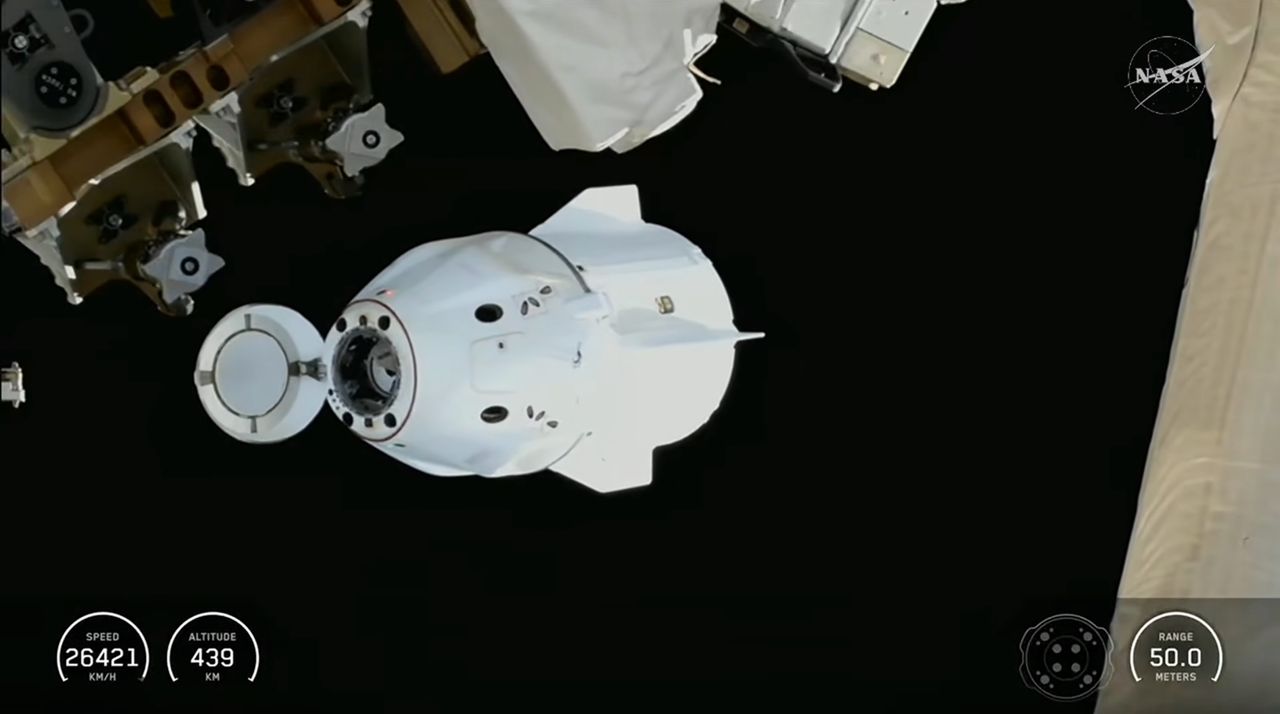
SpaceX's Crew-11 astronauts are set to undock from the International Space Station (ISS) today, marking the first-ever medical evacuation from the orbiting laboratory due to an undisclosed medical issue affecting one of the crew members. This unprecedented event will be broadcast live, allowing viewers to witness the historic moment.
What time is SpaceX Crew-11's medical evacuation from the ISS on Jan. 14?
NeutralScience
On January 14, 2026, SpaceX's Crew-11 mission will conduct the first-ever medical evacuation from the International Space Station (ISS), returning four astronauts to Earth due to a medical concern affecting one of the crew members. This unprecedented event highlights the challenges faced by astronauts in space and the importance of health monitoring in such extreme environments.
'Backward and upward and tilted': Spaceflight causes astronauts' brains to shift inside their skulls
NeutralScience
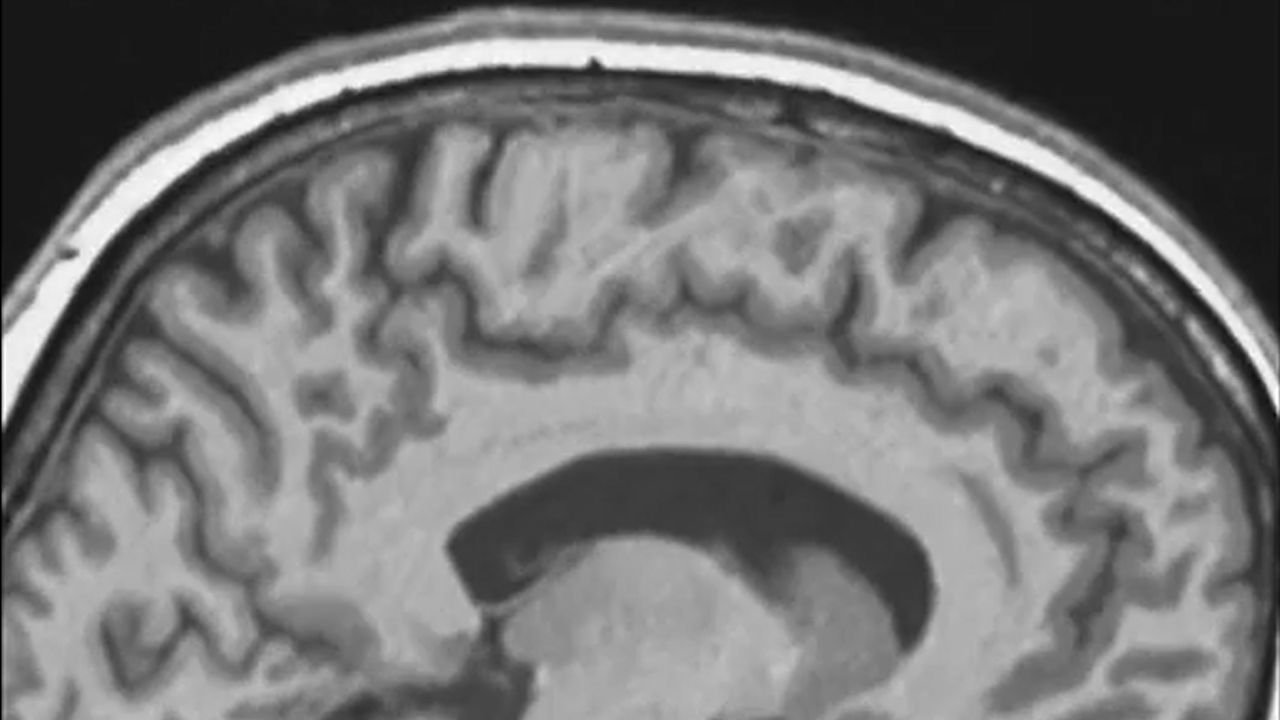
Recent research indicates that spaceflight causes astronauts' brains to shift within their skulls, potentially altering their cognitive functions and overall mental state during missions. This phenomenon highlights the profound effects of microgravity on human physiology.

Ready to build your own newsroom?

Subscribe to unlock a personalised feed, podcasts, newsletters, and notifications tailored to the topics you actually care about