Science history: Iconic 'Lucy' fossil discovered, transforming our understanding of human evolution — Nov. 24, 1974

Live ScienceMonday, November 24, 2025 at 7:00:00 AM
PositiveScience
Science history: Iconic 'Lucy' fossil discovered, transforming our understanding of human evolution — Nov. 24, 1974
  • On November 24, 1974, anthropologists discovered the 3.2 million-year-old fossil known as 'Lucy' in the Awash Valley of Ethiopia. This significant find provided crucial insights into the evolutionary history of humans, highlighting the complexity of our ancestral lineage.
  • The discovery of Lucy is pivotal as it reshapes the understanding of human evolution, offering evidence of bipedalism and contributing to the broader narrative of how modern humans evolved. This fossil remains a key reference point in the study of anthropology and human ancestry.
— via World Pulse Now AI Editorial System
Was this article worth reading? Share it

Recommended apps based on your readingExplore all apps
Continue Readings
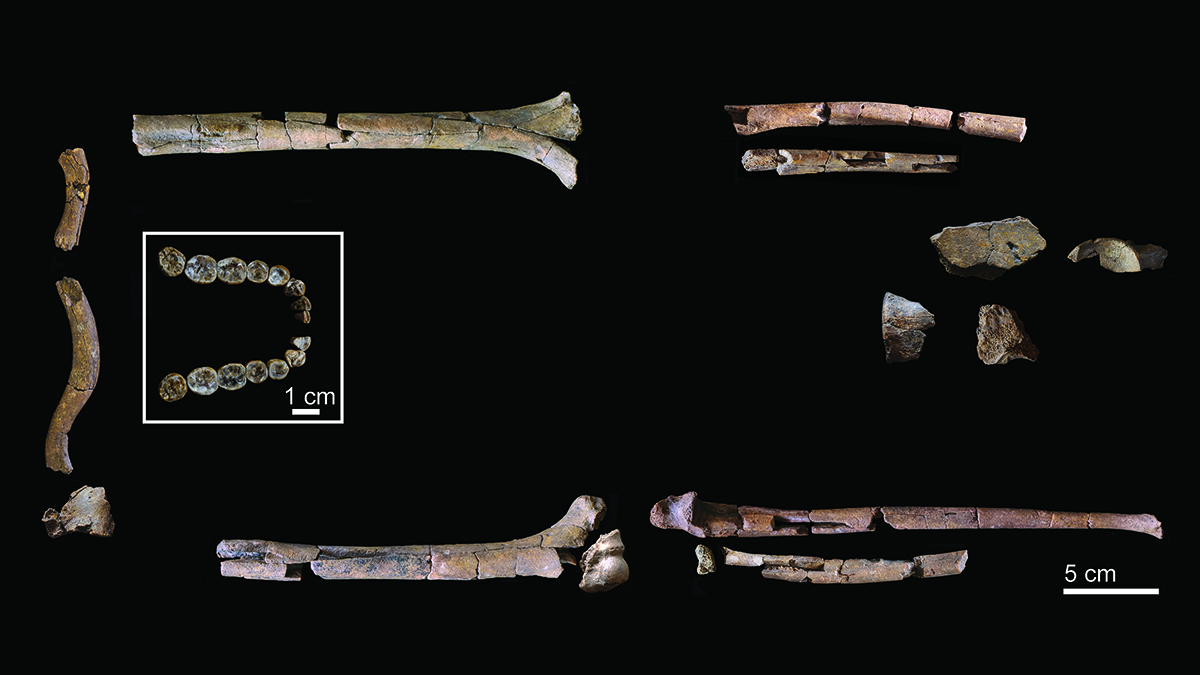
Most complete Homo habilis skeleton ever found dates to more than 2 million years ago and retains 'Lucy'-like features
PositiveScience
Scientists have unveiled the most complete skeleton of Homo habilis, dating back over 2 million years, which exhibits features reminiscent of the famous fossil known as Lucy. This discovery marks a significant advancement in understanding early human ancestors and their physical characteristics.

Ready to build your own newsroom?

Subscribe to unlock a personalised feed, podcasts, newsletters, and notifications tailored to the topics you actually care about