James Webb telescope finds 'remarkable' evidence that a black hole plowed through a galaxy, leaving an enormous scar behind

Live ScienceWednesday, October 8, 2025 at 5:02:39 PM
PositiveScience
James Webb telescope finds 'remarkable' evidence that a black hole plowed through a galaxy, leaving an enormous scar behind
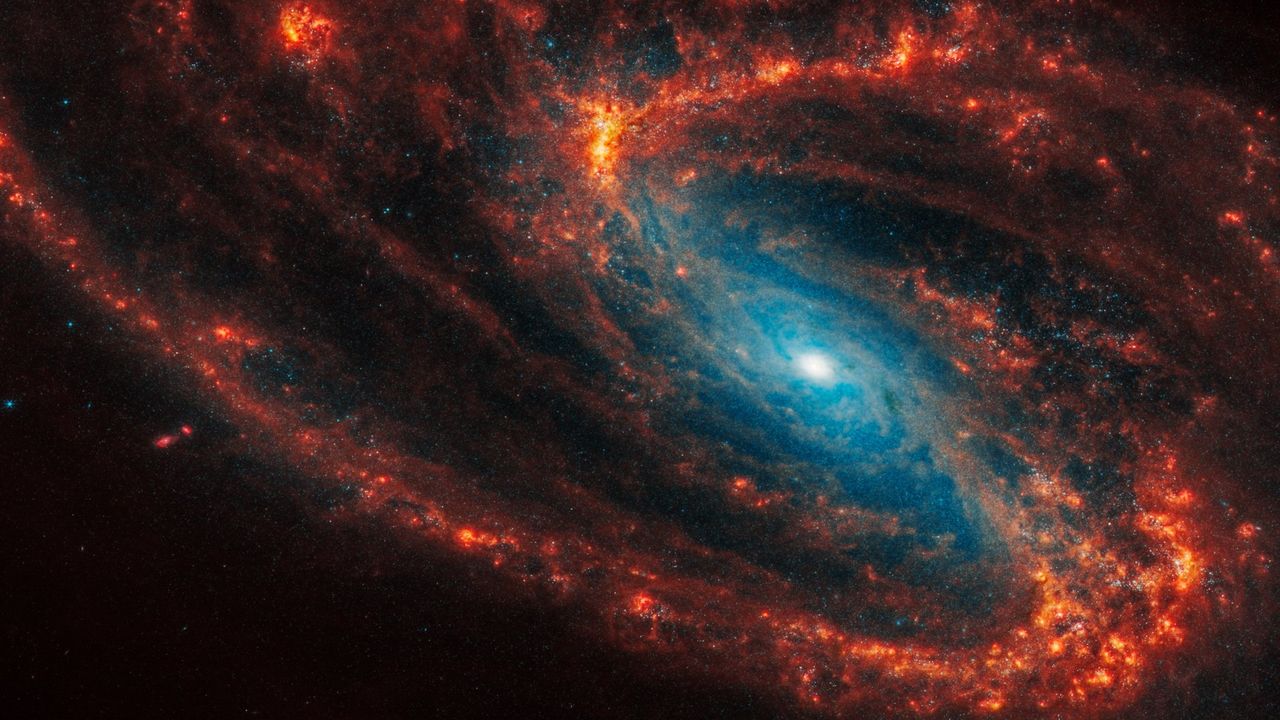
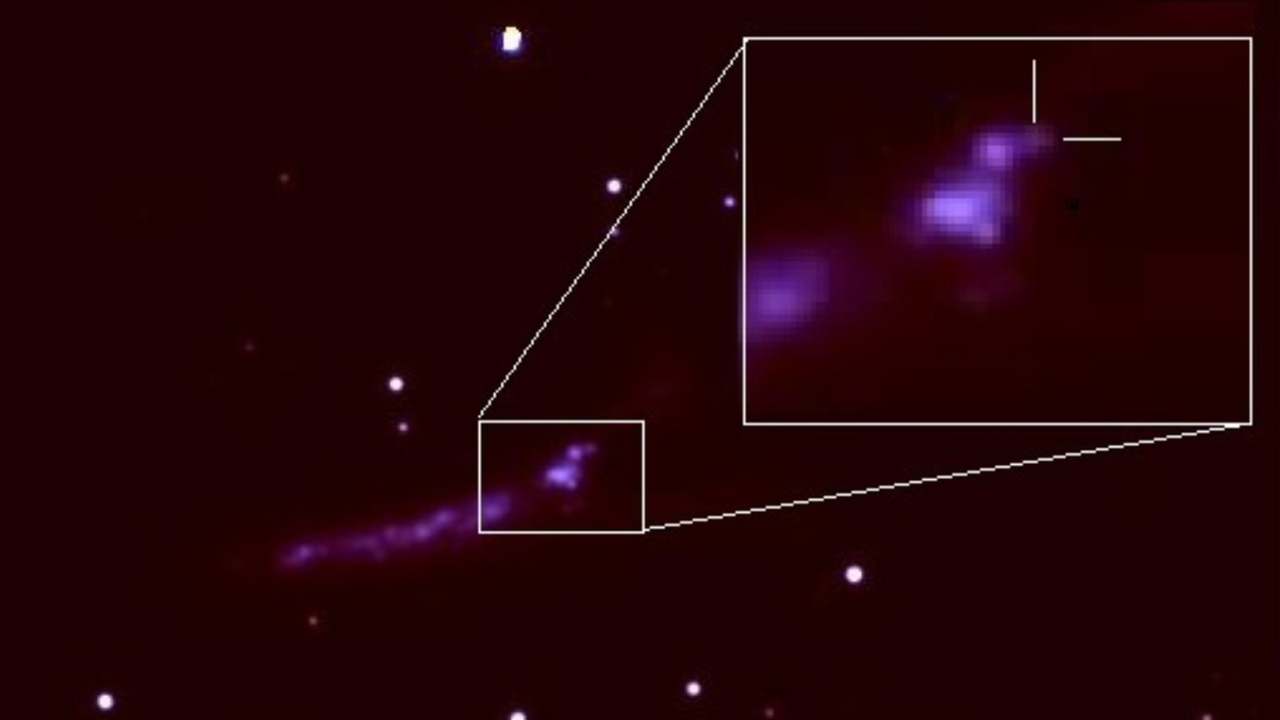
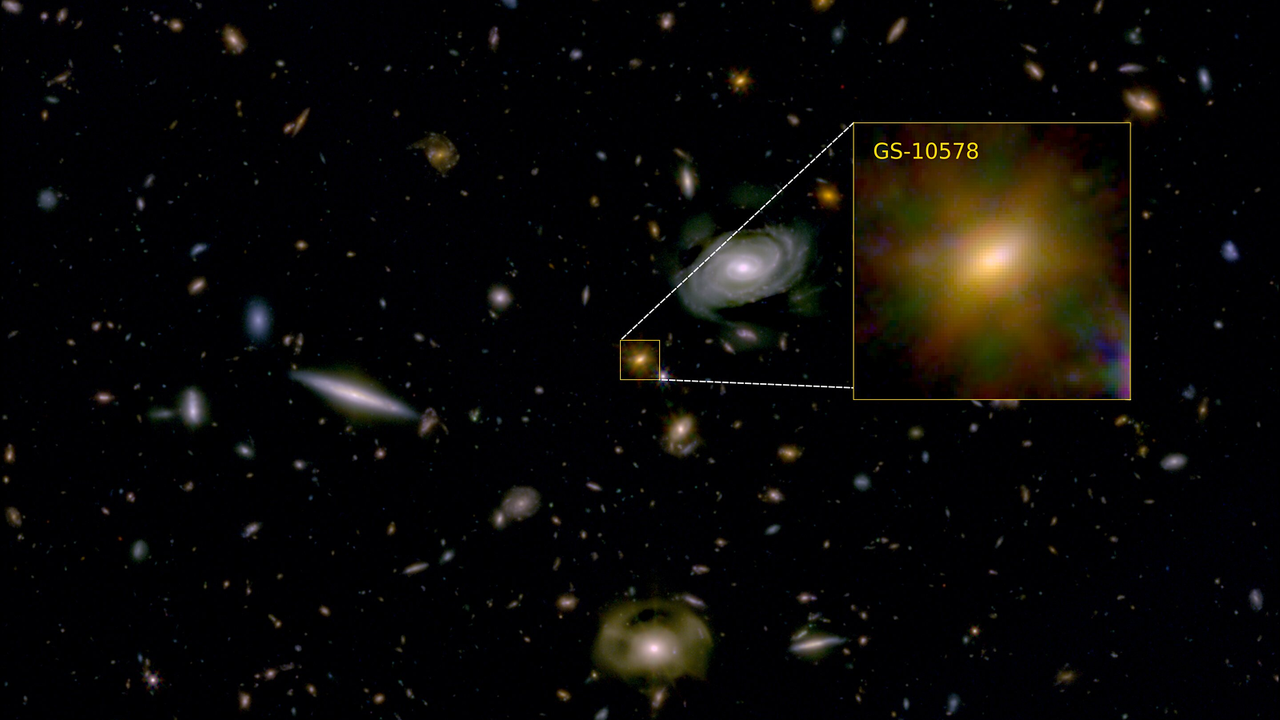
Astronomers using the James Webb Space Telescope and ALMA have made a groundbreaking discovery of a superlong and narrow 'galactic contrail' that suggests a black hole has passed through a galaxy, leaving a massive scar. This tail of gas and dust stretches an astonishing 20,000 light-years long but is only 650 light-years wide. This finding is significant as it enhances our understanding of black holes and their impact on galaxy formation and evolution.
— via World Pulse Now AI Editorial System
Was this article worth reading? Share it

Recommended apps based on your readingExplore all apps
Continue Readings
Massive supernova explosion may have created a binary black hole
PositiveScience
A recent study suggests that a massive supernova explosion may have led to the formation of a binary black hole, providing new insights into the evolutionary history of massive stars. This finding highlights the complex processes involved in stellar evolution and the eventual creation of black holes.
Strange, 'starved' galaxy died 'a death of 1,000 cuts' in the ancient universe, JWST reveals
NeutralScience
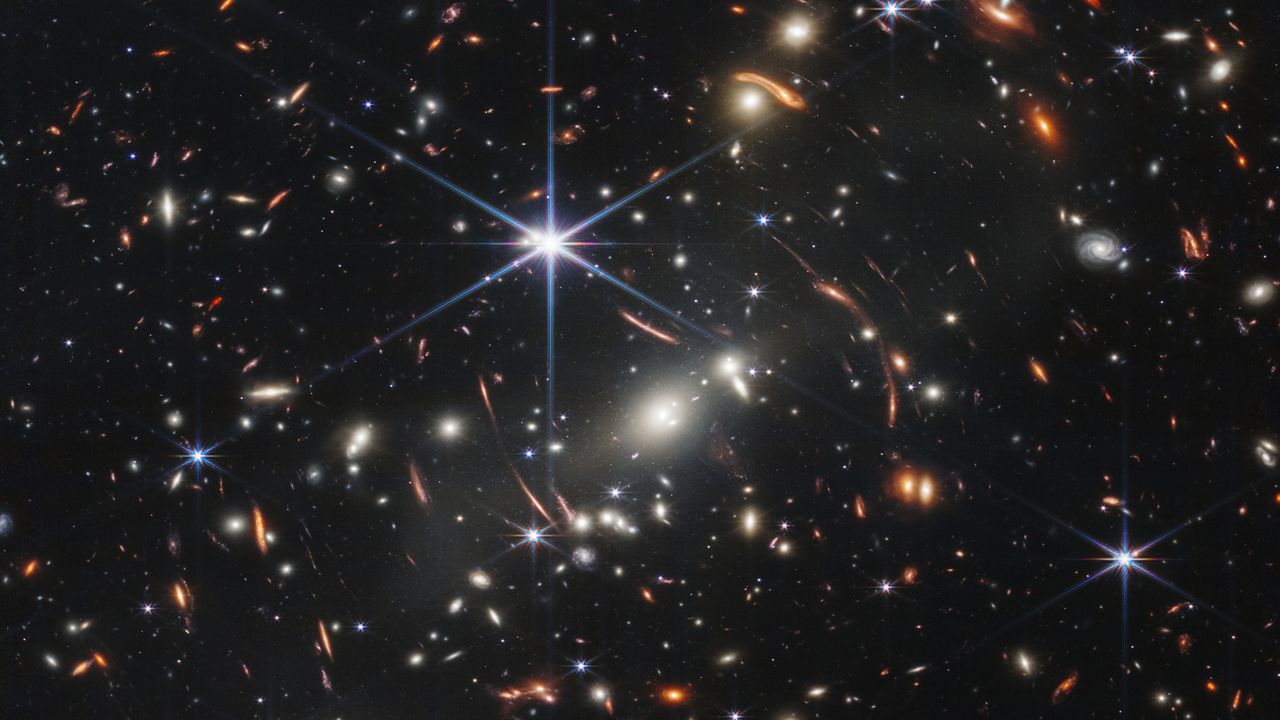
New observations from the James Webb Space Telescope (JWST) reveal that a supermassive black hole in an ancient galaxy likely starved the galaxy of gas necessary for star formation, leading to its demise described as 'a death of 1,000 cuts'. This finding enhances understanding of the early universe's dynamics.
The universe should be packed with tiny galaxies — so where are they?
NeutralScience
Astronomers have observed that the early universe may not contain as many small galaxies as previously predicted, raising questions about the formation and evolution of the cosmos. This discrepancy suggests that the models used to understand galaxy formation may need to be reevaluated.
Astronomers watch 2 supermassive black holes caught in a twisted dance with never-before-seen jet behavior
PositiveScience
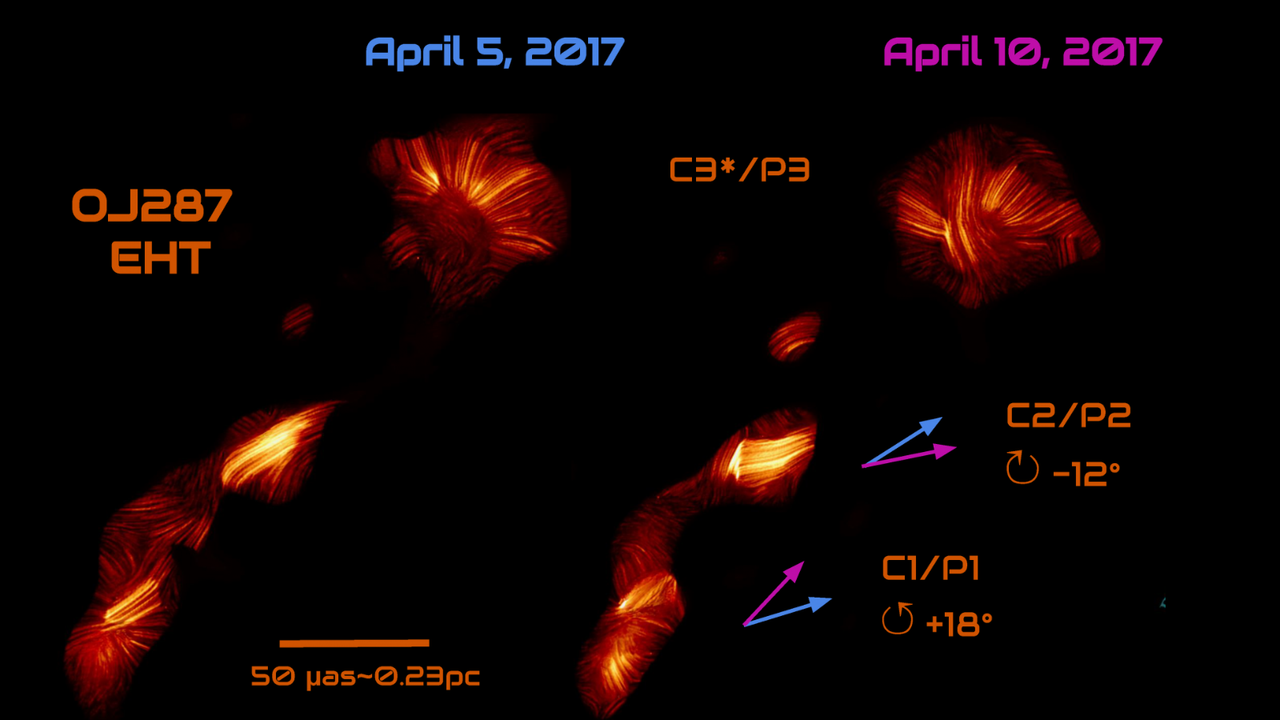
Astronomers have observed two supermassive black holes engaged in a complex interaction, showcasing unprecedented jet behavior, as captured by the Event Horizon Telescope. This observation provides new insights into the dynamics of black holes and their jets, which are critical for understanding their role in the universe.
Mystery shockwave around dead star stuns astronomers: 'We found something never seen before and entirely unexpected.'
PositiveScience
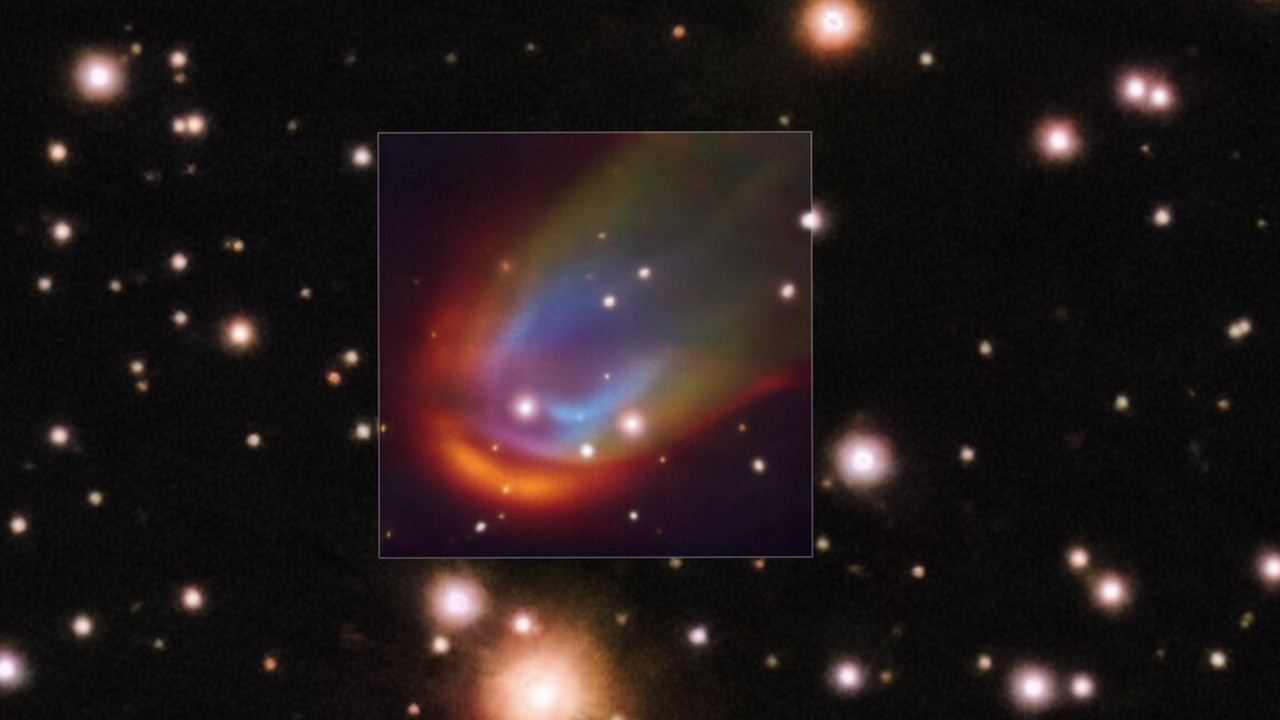
Astronomers have made a groundbreaking discovery involving a mysterious shockwave surrounding a dead star, which has produced a spectacular nebula. This unexpected phenomenon challenges previous assumptions about discless systems in space, leading to a rare moment of astonishment within the scientific community.

Ready to build your own newsroom?

Subscribe to unlock a personalised feed, podcasts, newsletters, and notifications tailored to the topics you actually care about