Astronomers watch 2 supermassive black holes caught in a twisted dance with never-before-seen jet behavior

Space.comTuesday, January 13, 2026 at 6:00:00 PM
PositiveScience
Astronomers watch 2 supermassive black holes caught in a twisted dance with never-before-seen jet behavior
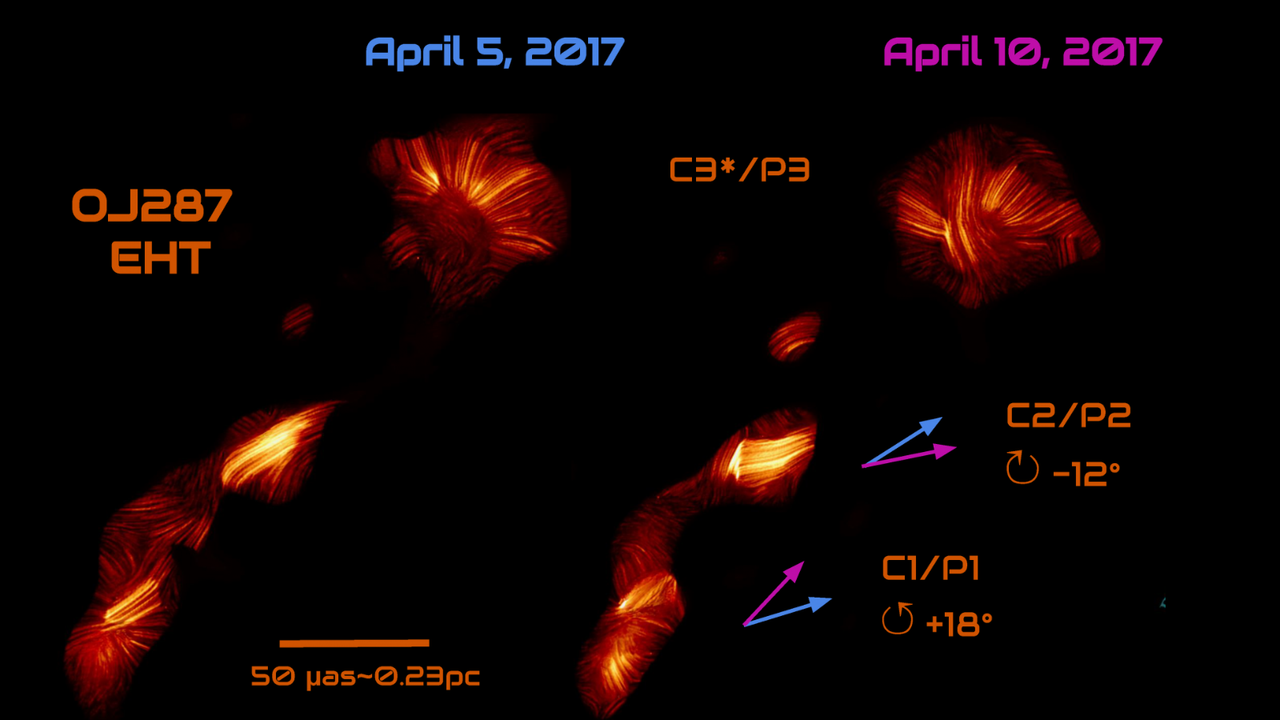
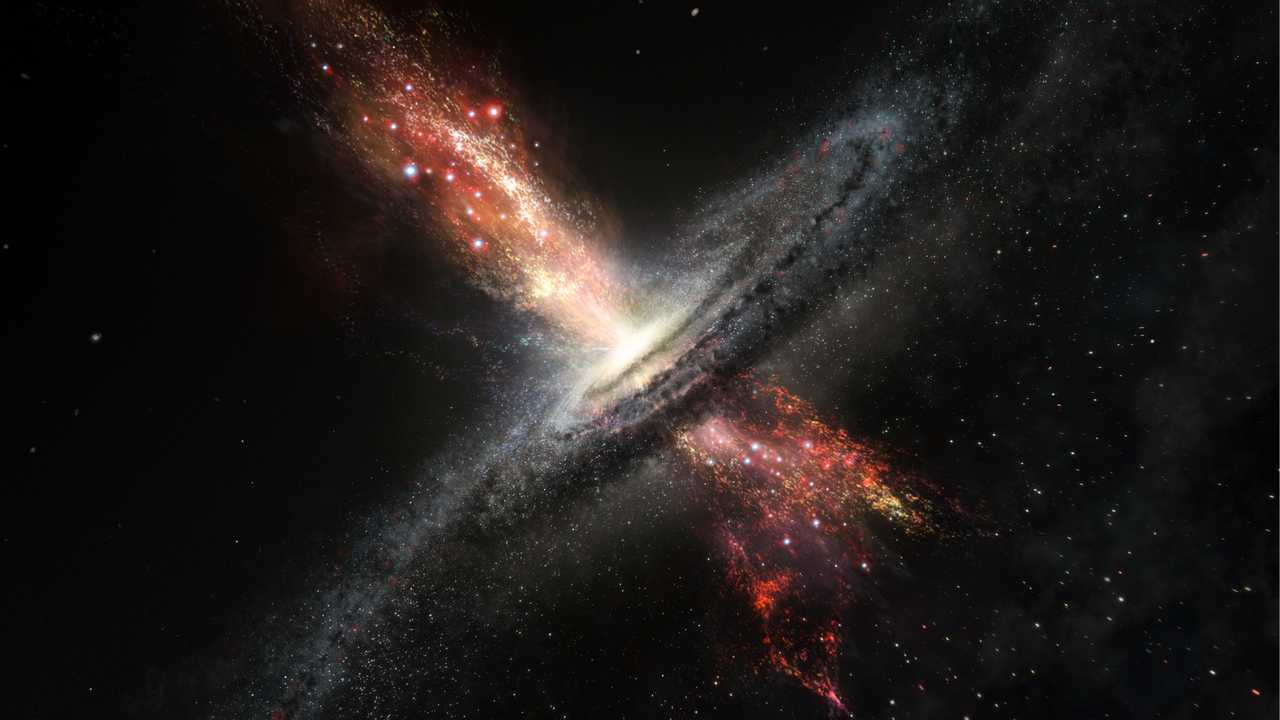
  • Astronomers have observed two supermassive black holes engaged in a complex interaction, showcasing unprecedented jet behavior, as captured by the Event Horizon Telescope. This observation provides new insights into the dynamics of black holes and their jets, which are critical for understanding their role in the universe.
  • The findings highlight the Event Horizon Telescope's capability not only to produce stunning images but also to enhance the understanding of black hole physics, particularly in relation to jet formation and behavior.
  • This development contributes to a growing body of research that explores the interactions of black holes, including recent discoveries of massive black hole flares and the potential existence of supermassive stars, which may shed light on the origins of these cosmic giants and their influence on galaxy formation.
— via World Pulse Now AI Editorial System
Was this article worth reading? Share it

Recommended apps based on your readingExplore all apps
Continue Readings
James Webb Space Telescope's mysterious 'little red dots' may be black holes in disguise
NeutralScience
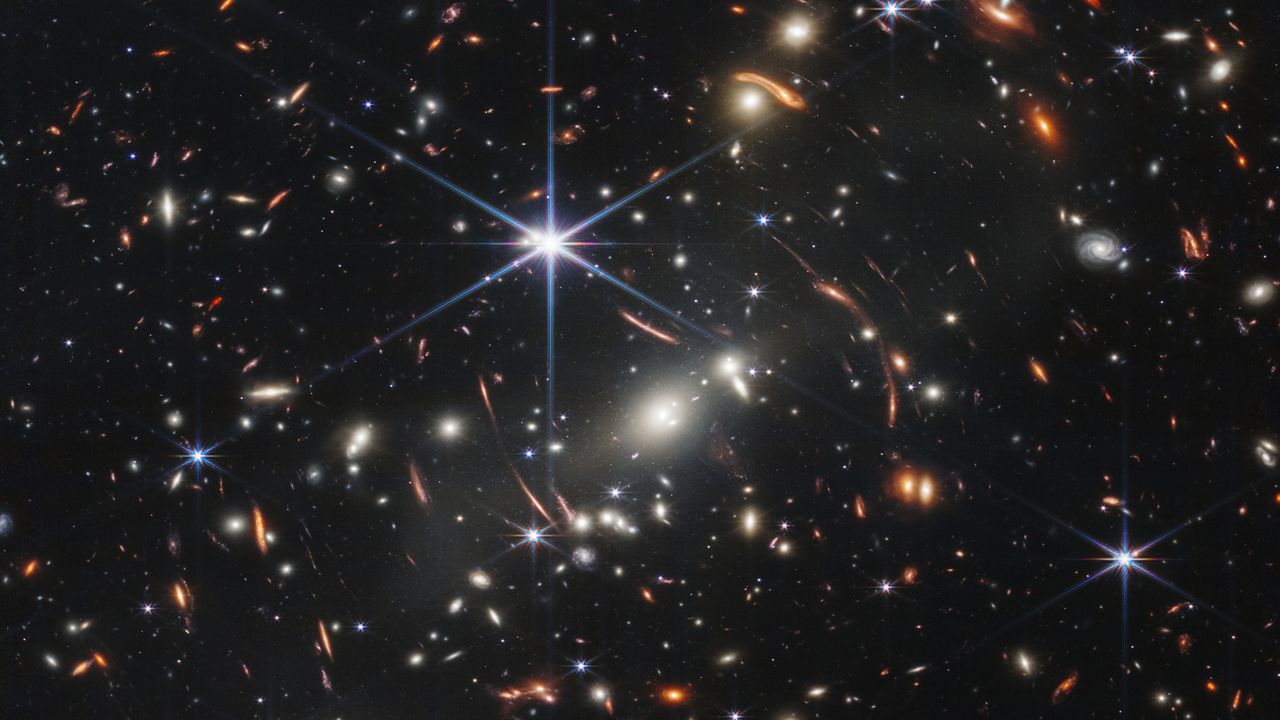
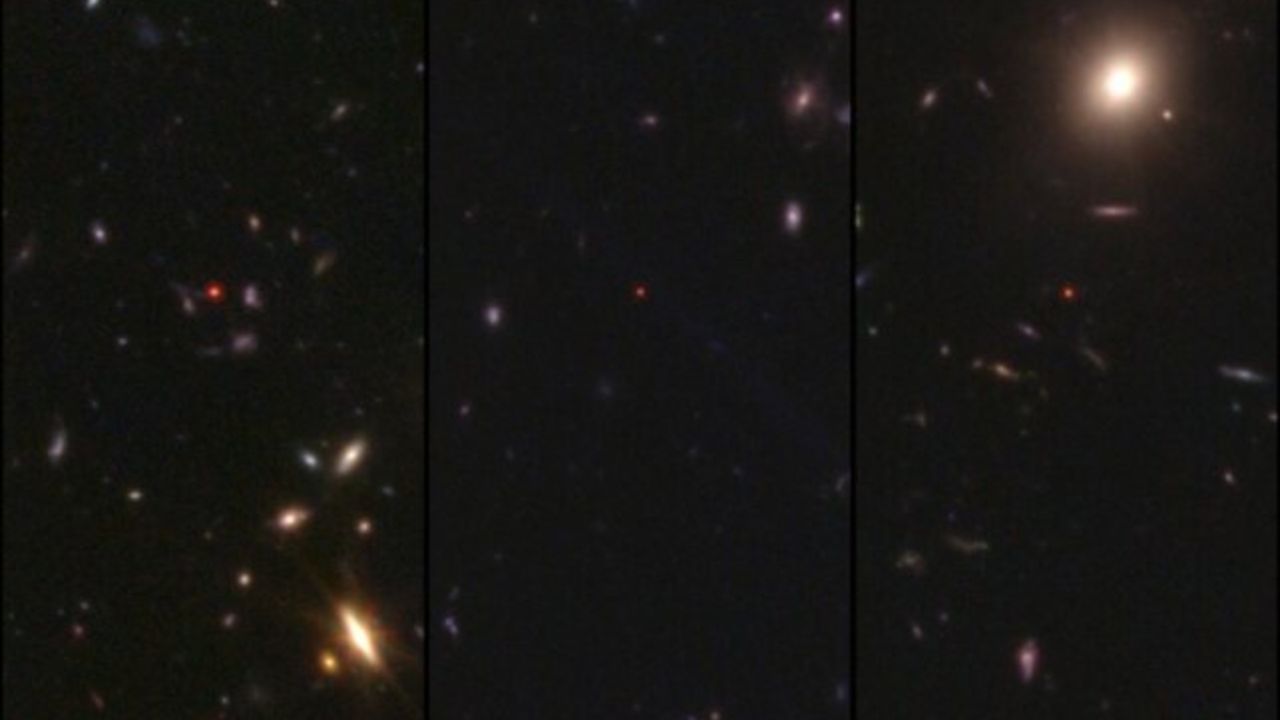
The James Webb Space Telescope (JWST) has identified mysterious 'little red dots' in the early universe, which researchers suggest may be a new type of black hole surrounded by glowing gas. This discovery challenges existing understandings of cosmic structures and their formation.
NASA X-ray instrument finds black holes act like 'cosmic seesaws' shaping the universe
PositiveScience
NASA's X-ray instrument has discovered that black holes behave like 'cosmic seesaws,' influencing the dynamics of their accretion flows in a manner described as an energetic tug-of-war. This finding sheds light on the complex interactions occurring within black holes and their surroundings.
The universe should be packed with tiny galaxies — so where are they?
NeutralScience
Astronomers have observed that the early universe may not contain as many small galaxies as previously predicted, raising questions about the formation and evolution of the cosmos. This discrepancy suggests that the models used to understand galaxy formation may need to be reevaluated.
Mystery shockwave around dead star stuns astronomers: 'We found something never seen before and entirely unexpected.'
PositiveScience
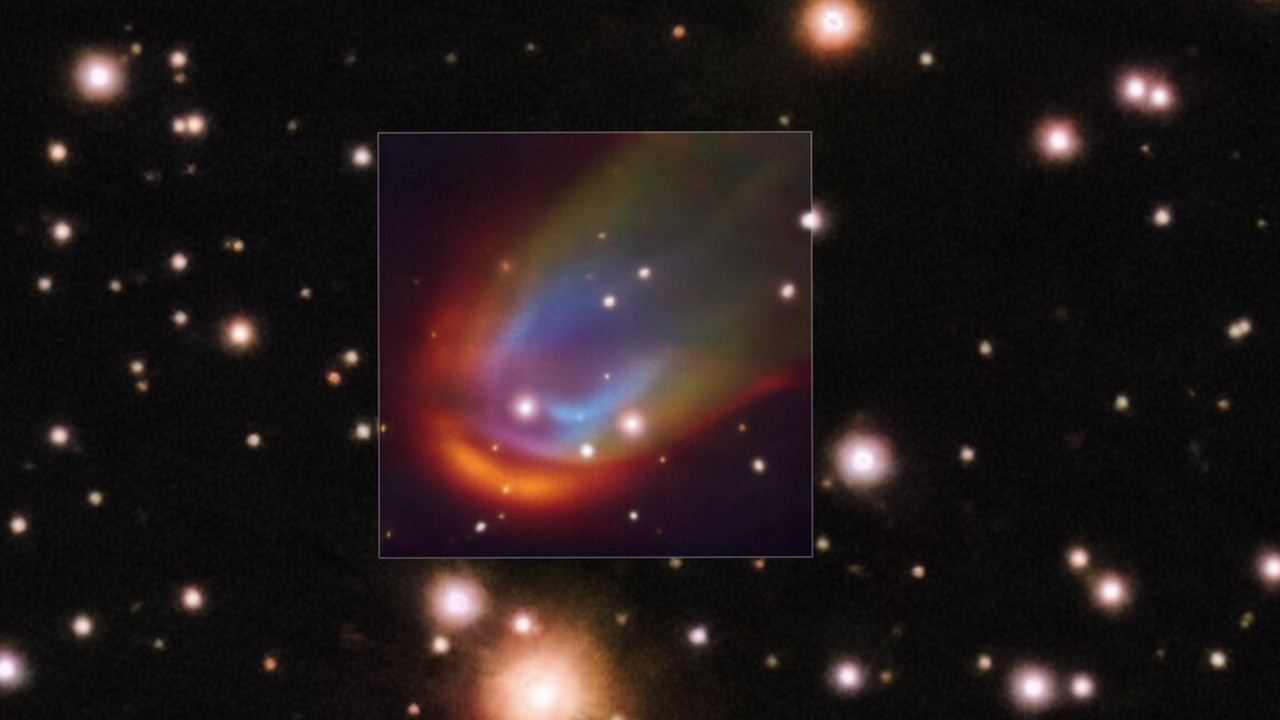
Astronomers have made a groundbreaking discovery involving a mysterious shockwave surrounding a dead star, which has produced a spectacular nebula. This unexpected phenomenon challenges previous assumptions about discless systems in space, leading to a rare moment of astonishment within the scientific community.

Ready to build your own newsroom?

Subscribe to unlock a personalised feed, podcasts, newsletters, and notifications tailored to the topics you actually care about