Synthetic chemicals in food system creating health burden of $2.2tn a year, report finds

The Guardian – ScienceWednesday, December 10, 2025 at 6:00:43 AM
NegativeScience
Synthetic chemicals in food system creating health burden of $2.2tn a year, report finds
  • Scientists have issued an urgent warning regarding synthetic chemicals in the food system, which are linked to rising rates of cancer, neurodevelopmental conditions, and infertility. The health burden attributed to these substances, including phthalates, bisphenols, pesticides, and Pfas, is estimated to cost up to $2.2 trillion annually, paralleling the profits of the world's largest publicly listed companies.
  • This alarming report highlights the significant health risks posed by these chemicals, emphasizing the need for urgent action to address their impact on public health and the environment, potentially prompting regulatory changes and increased scrutiny of food safety practices.
— via World Pulse Now AI Editorial System

Was this article worth reading? Share it

Continue Readings
Geminid meteor shower: where to watch Australia’s biggest shooting star show this weekend
PositiveScience
The Geminid meteor shower, known for its bright and colorful shooting stars, is currently active and will peak on the night of December 13-14, 2025. Stargazers in Australia can expect to see potentially dozens of meteors per hour during this celestial event, which has been ongoing since December 4.
Widespread cold virus you've never heard of may play key role in bladder cancer
NeutralScience
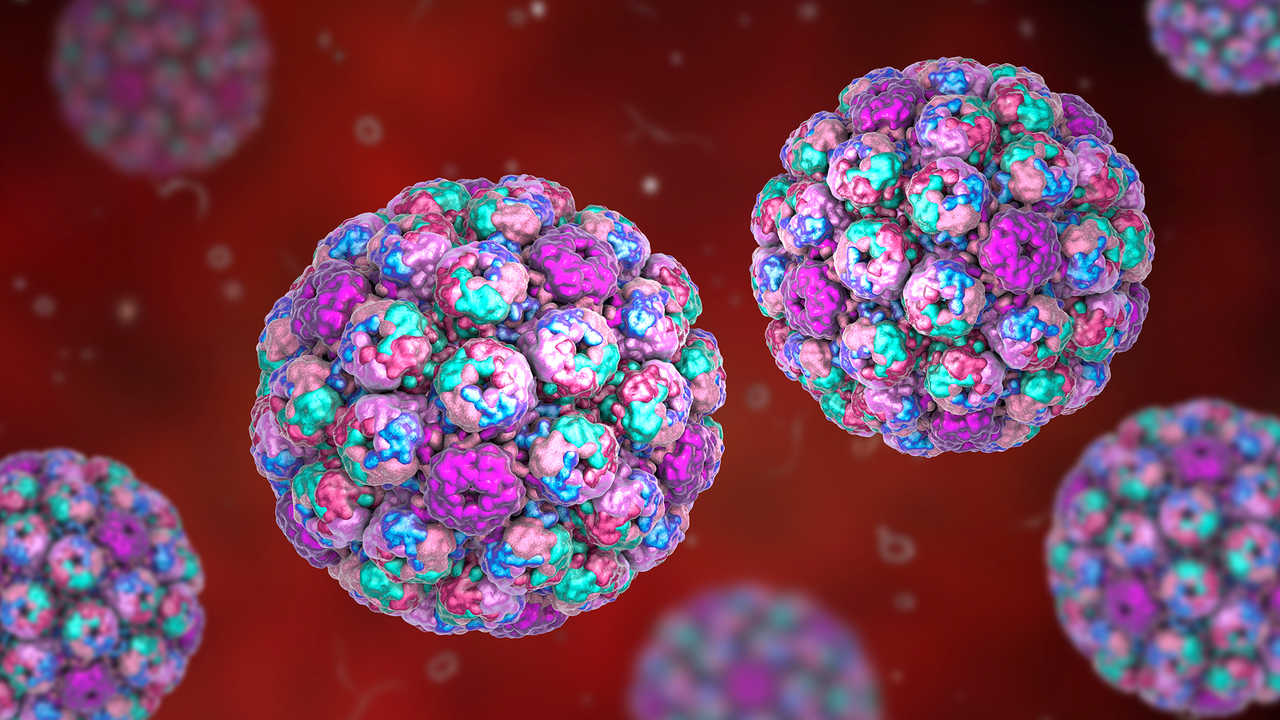
Scientists have discovered that infections with the BK virus during childhood may trigger cancer-causing mutations decades later by activating an immune system enzyme that attacks DNA. This finding sheds light on the potential long-term effects of this widespread cold virus, which is not commonly recognized.
The surprising longevity lessons from the world’s oldest animal
PositiveScience
Scientists have discovered a 507-year-old clam, which was already 100 years old during Shakespeare's lifetime, raising questions about its remarkable longevity. This finding highlights the potential for understanding the biological mechanisms that contribute to extended lifespans in certain species.
Could a drug for narcolepsy change the world? | Zoe Williams
PositiveScience
Recent advancements in pharmaceuticals suggest a potential breakthrough in sleep medications, particularly a new drug aimed at treating narcolepsy, which could also have implications for insomnia. This development was highlighted by Zoe Williams, who noted the unique testing method for type 1 narcolepsy involving a controlled environment to measure sleep onset time.