Under Trump, U.S. Adds Fuel to a Heating Planet

The New York TimesMonday, January 12, 2026 at 10:02:03 AM
NegativeScience
Under Trump, U.S. Adds Fuel to a Heating Planet
  • Under the Trump administration, the U.S. has seen a resurgence in greenhouse gas emissions, with a 1.9 percent increase attributed to the renewed focus on fossil fuels. This shift comes after a period of declining emissions and raises concerns among scientists about the country's commitment to combating climate change.
  • The implications of this policy shift are significant, as it undermines previous efforts to reduce emissions and adhere to international climate agreements. The embrace of fossil fuels threatens to exacerbate global warming, making it increasingly difficult to maintain safe temperature levels.
  • This development reflects a broader trend of prioritizing fossil fuel interests over environmental concerns, as evidenced by Trump's rollback of fuel economy standards and plans to dismantle key scientific institutions. The ongoing debate over energy policy highlights the tension between economic interests and environmental sustainability, raising alarms among scientists and climate advocates.
— via World Pulse Now AI Editorial System

Was this article worth reading? Share it

Recommended apps based on your readingExplore all apps
Continue Readings
Trump Administration Slashes Mental Health and Addiction Grants—Report
NegativeScience
The Trump Administration has reportedly made significant cuts to federal grants aimed at mental health and addiction services, a decision that experts warn will worsen the ongoing addiction crisis in the United States.
One of the last woolly rhinos to walk Earth was eaten by a wolf pup — and scientists have now sequenced its genome from the undigested meat
NeutralScience
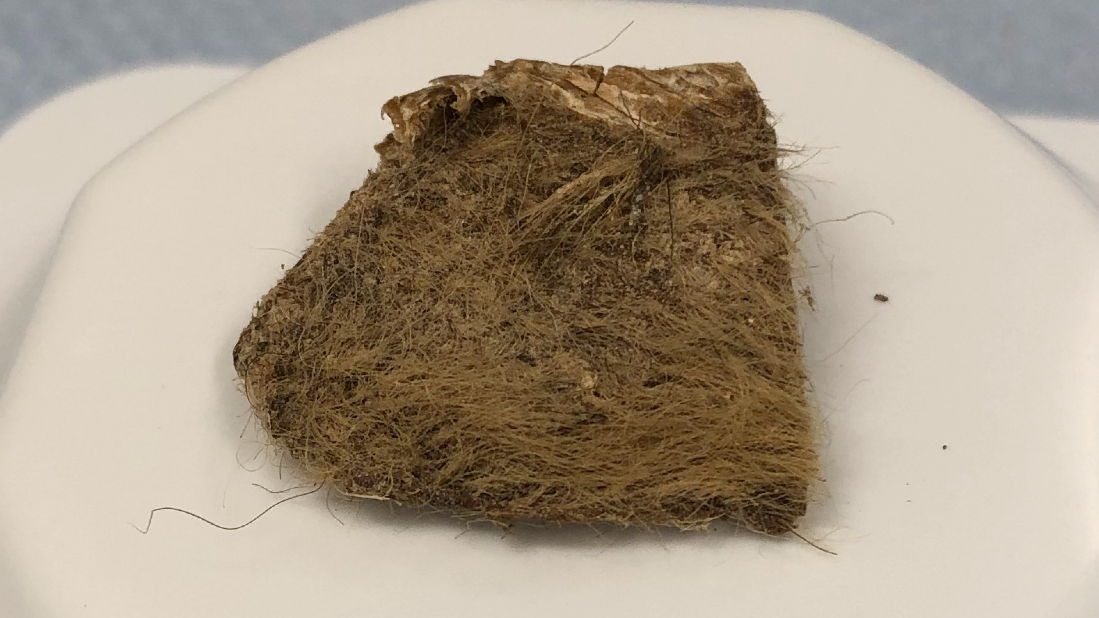
Scientists have sequenced the genome of a woolly rhinoceros from undigested remains found in the stomach of a wolf pup that lived over 14,000 years ago. This discovery provides valuable insights into the extinction of the woolly rhino, a species that roamed the Earth during the Pleistocene epoch.
Does String Theory Solve the Mystery of the Brain?
PositiveScience
Mathematical tools derived from string theory are providing scientists with innovative methods to explore the complex networking of neurons in the brain. This approach aims to deepen the understanding of neural connections and their implications for cognitive functions.
Global temperatures dipped in 2025 but more heat records on way, scientists warn
NegativeScience
Global temperatures experienced a dip in 2025, yet scientists caution that more heat records are anticipated in the future. This follows a trend where the last three years have been the hottest on record, driven by ongoing carbon emissions from human activities.
U.S. Greenhouse Gas Emissions Are Rising for the First Time in Two Years—They Could Climb Far Higher
NegativeScience
U.S. greenhouse gas emissions have risen for the first time in two years, driven by increased electricity demands from AI data centers and a recent cold snap, according to a new report. This uptick follows a period of declining emissions, raising concerns about the sustainability of previous environmental progress.
A Scientific Expedition to Antarctica’s Thwaites Glacier Deals With Weather Hiccups
NeutralScience
A scientific expedition to Antarctica's Thwaites Glacier is facing delays due to low cloud cover, which has hindered helicopter transport of scientists and equipment to the continent's fastest-melting glacier. The adverse weather conditions have prevented the establishment of a research camp, forcing the team to explore the sea ice instead.
Pentagon Reportedly Testing Radio Wave Device Linked to ‘Havana Syndrome’
NeutralScience
The Pentagon is reportedly testing a radio wave device that may be linked to the controversial condition known as 'Havana Syndrome,' which has affected U.S. officials stationed in Cuba, presenting a range of unexplained symptoms.
‘A bombshell’: doubt cast on discovery of microplastics throughout human body
NegativeScience
Recent studies claiming the presence of microplastics in various human organs, including the brain and placenta, have been challenged by scientists who argue that these findings may stem from contamination and false positives, with one chemist labeling the situation as a 'bombshell'.

Ready to build your own newsroom?

Subscribe to unlock a personalised feed, podcasts, newsletters, and notifications tailored to the topics you actually care about