NASA Releases Images of Comet 3I/ATLAS Passing by Mars

The New York TimesWednesday, November 19, 2025 at 11:44:22 PM
PositiveScience
NASA Releases Images of Comet 3I/ATLAS Passing by Mars
  • NASA has unveiled images of Comet 3I/ATLAS during its passage near Mars, marking a significant moment in space exploration after the government shutdown. This release highlights the agency's ongoing commitment to advancing our understanding of celestial phenomena.
  • The release of these images is crucial for NASA as it reinforces the agency's role in exploring and documenting objects from beyond our solar system, enhancing public interest and scientific inquiry.
  • The confirmation that Comet 3I/ATLAS is not of alien origin adds to the understanding of celestial bodies' formation, emphasizing the importance of scientific investigation in distinguishing between natural phenomena and speculative theories.
— via World Pulse Now AI Editorial System

Was this article worth reading? Share it

Recommended apps based on your readingExplore all apps
Continue Readings
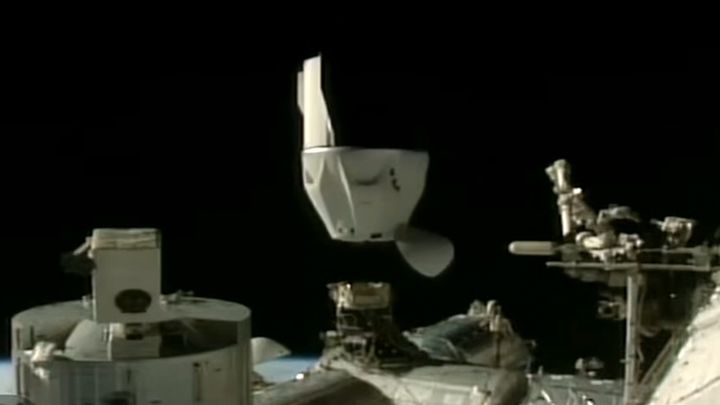
NASA Begins Astronaut Space Station Medical Evacuation: What to Know
NeutralScience
NASA has initiated a medical evacuation for four astronauts from the International Space Station (ISS) due to an undisclosed medical issue affecting one crew member. This evacuation occurs approximately one month earlier than planned, highlighting the challenges of maintaining crew health in space. The astronauts involved include Mike Fincke, Zena Cardman, Oleg Platonov, and Kimiya Yui, who were seen in their Crew Dragon pressure suits on January 9.
Toby Kiers, World Champion of Mycorrhizal Fungus
PositiveScience
Toby Kiers has been awarded the Tyler Prize for Environmental Achievement, recognizing her contributions to the understanding of mycorrhizal fungi and their role in ecosystems. In a recent discussion, she emphasized the concept of “punk science” and the importance of microbial economics, advocating for a shift in perspective towards these vital organisms.
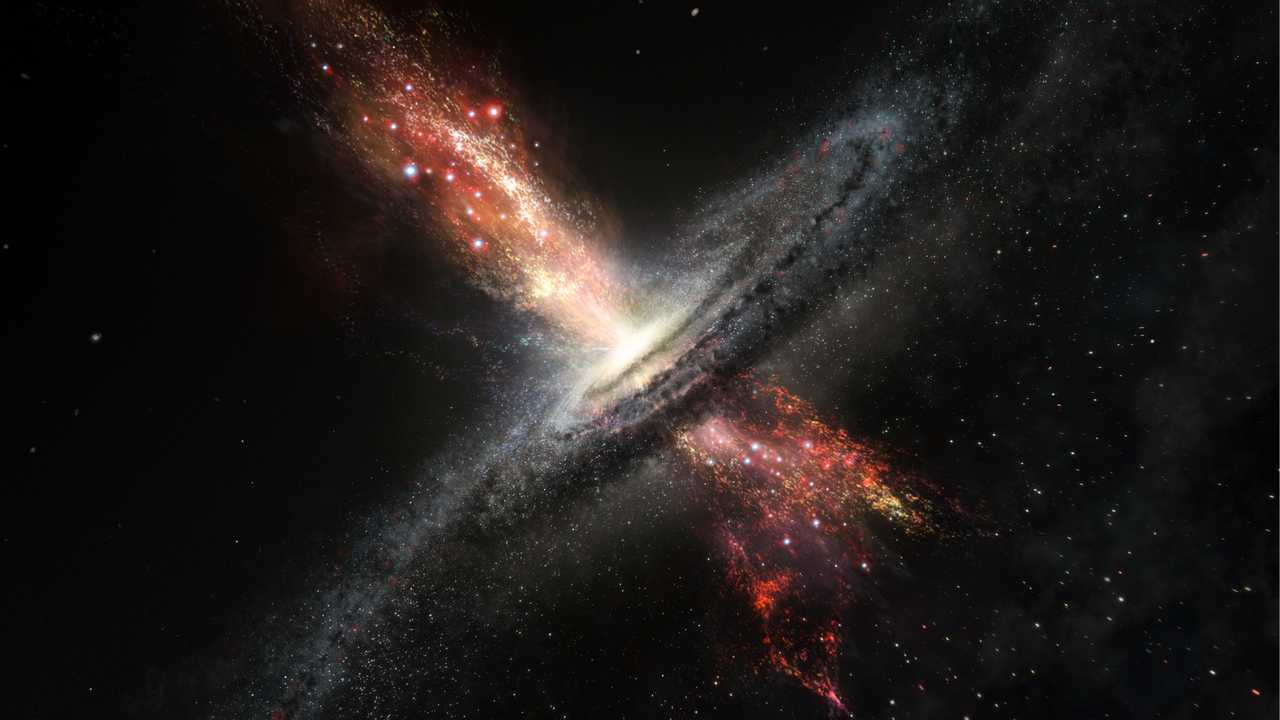
NASA X-ray instrument finds black holes act like 'cosmic seesaws' shaping the universe
PositiveScience
NASA's X-ray instrument has discovered that black holes behave like 'cosmic seesaws,' influencing the dynamics of their accretion flows in a manner described as an energetic tug-of-war. This finding sheds light on the complex interactions occurring within black holes and their surroundings.
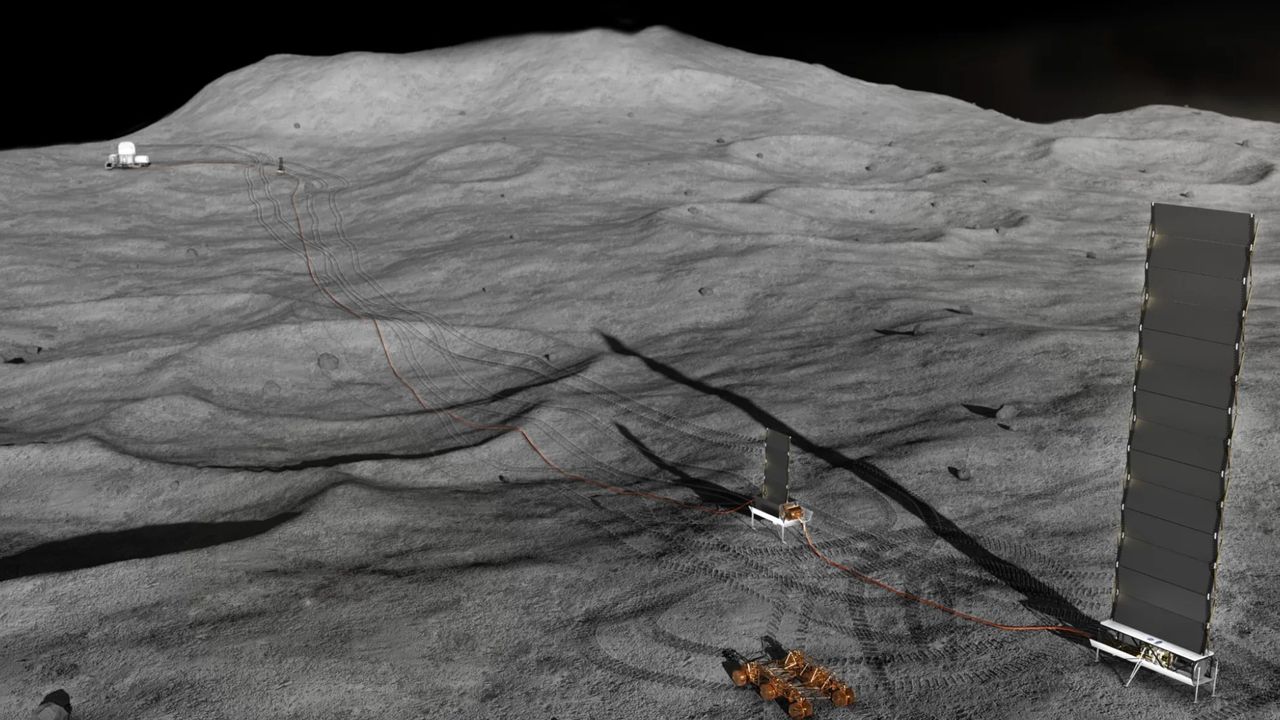
NASA Commits to Plan to Build a Nuclear Reactor on the Moon by 2030
PositiveScience
NASA, in collaboration with the Department of Energy, has announced plans to construct a nuclear fission reactor on the Moon by 2030, marking a significant step in lunar exploration and energy sustainability. This initiative aims to support future missions and establish a permanent human presence on the lunar surface.
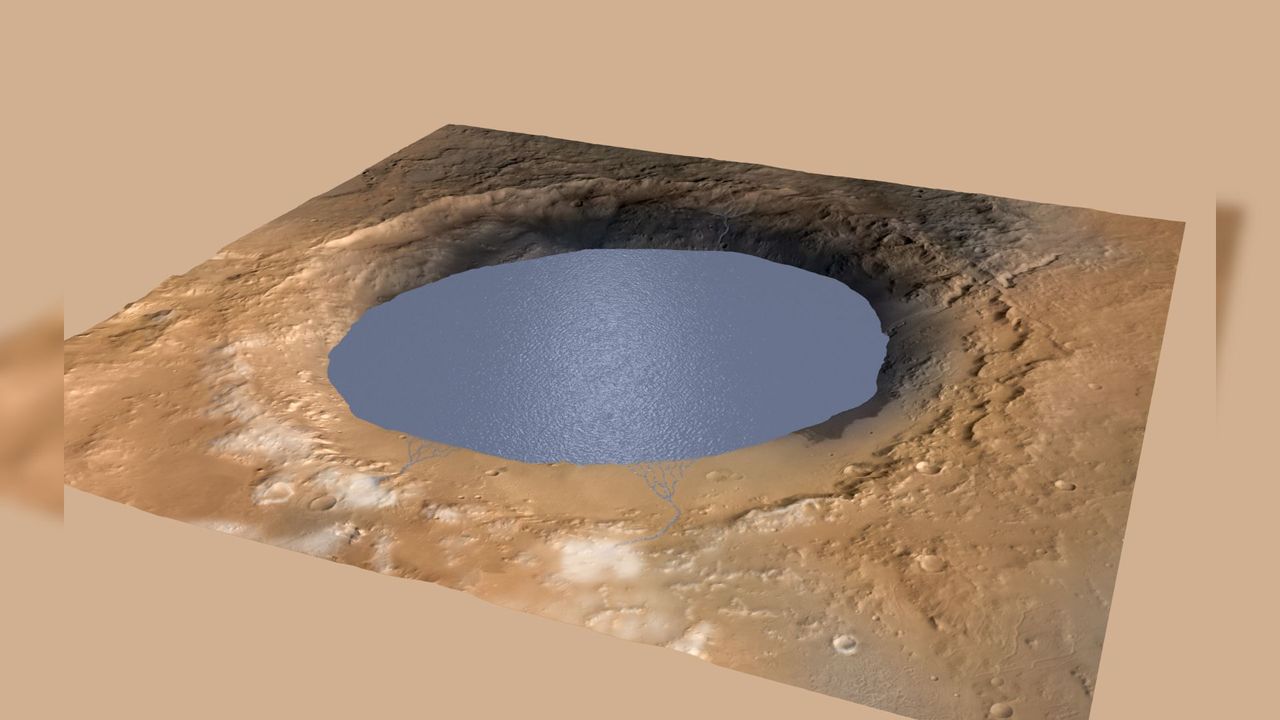
How Mars' ancient lakes grew shields of ice to stay warm as the Red Planet froze
NeutralScience
Recent findings suggest that ancient lakes on Mars developed ice shields to maintain warmth, potentially explaining how liquid water persisted on the planet despite a colder climate. This discovery sheds light on Mars' hydrological history and its capacity to support water in various forms.
ISS astronaut medical evacuation latest news: Crew-11 astronauts now returning to Earth
NeutralScience
NASA is returning four astronauts from the International Space Station (ISS) earlier than planned due to a medical concern affecting one of the Crew-11 astronauts. This decision marks the first-ever medical evacuation from the ISS, highlighting the agency's commitment to crew safety. The astronauts are expected to return to Earth soon, following the agency's protocols for such emergencies.
China’s ‘Dr. Frankenstein’ Thinks Time Is on His Side
NeutralScience
He Jiankui, known for creating gene-edited babies, has returned to work after serving three years in prison. He argues that his actions were a reflection of being ahead of his time in a society unprepared for his vision of gene editing.
The US really wants a nuclear reactor on the moon by 2030. 'Achieving this future requires harnessing nuclear power,' NASA chief says
PositiveScience
NASA and the U.S. Department of Energy have reaffirmed their commitment to develop a nuclear reactor on the moon by 2030, a significant step in advancing lunar exploration and energy sustainability. This initiative aims to support future missions and enhance the feasibility of long-term human presence on the lunar surface.

Ready to build your own newsroom?

Subscribe to unlock a personalised feed, podcasts, newsletters, and notifications tailored to the topics you actually care about