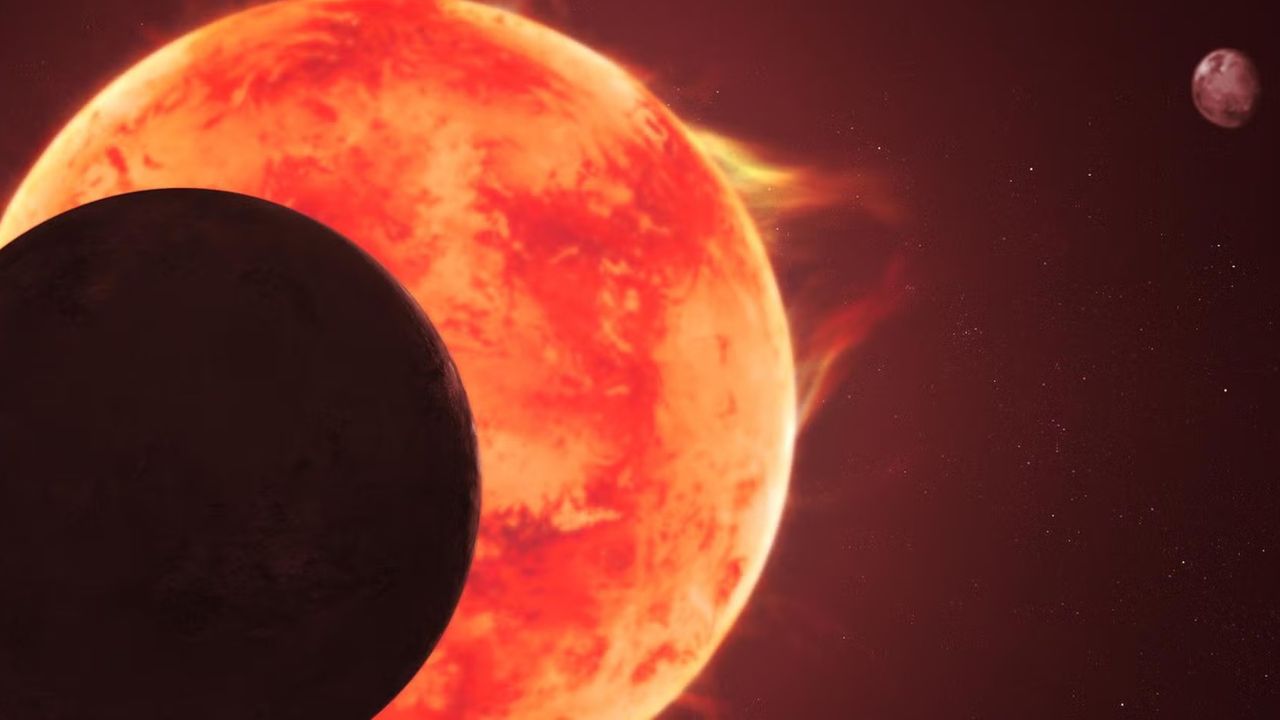
Which exoplanet in the TRAPPIST-1 system could be habitable? Scientists are modeling the star to find out

Space.comMonday, December 8, 2025 at 7:00:00 PM
PositiveScience
Which exoplanet in the TRAPPIST-1 system could be habitable? Scientists are modeling the star to find out
  • Scientists are modeling the star TRAPPIST-1 to investigate which exoplanet in its system could potentially be habitable. Frequent flares from TRAPPIST-1 may provide new insights into the conditions that could support life beyond Earth.
  • This research is significant as it enhances the understanding of habitable zones around stars, potentially guiding future explorations for life-sustaining planets and expanding the knowledge of planetary systems beyond our own.
— via World Pulse Now AI Editorial System
Was this article worth reading? Share it

Continue Readings
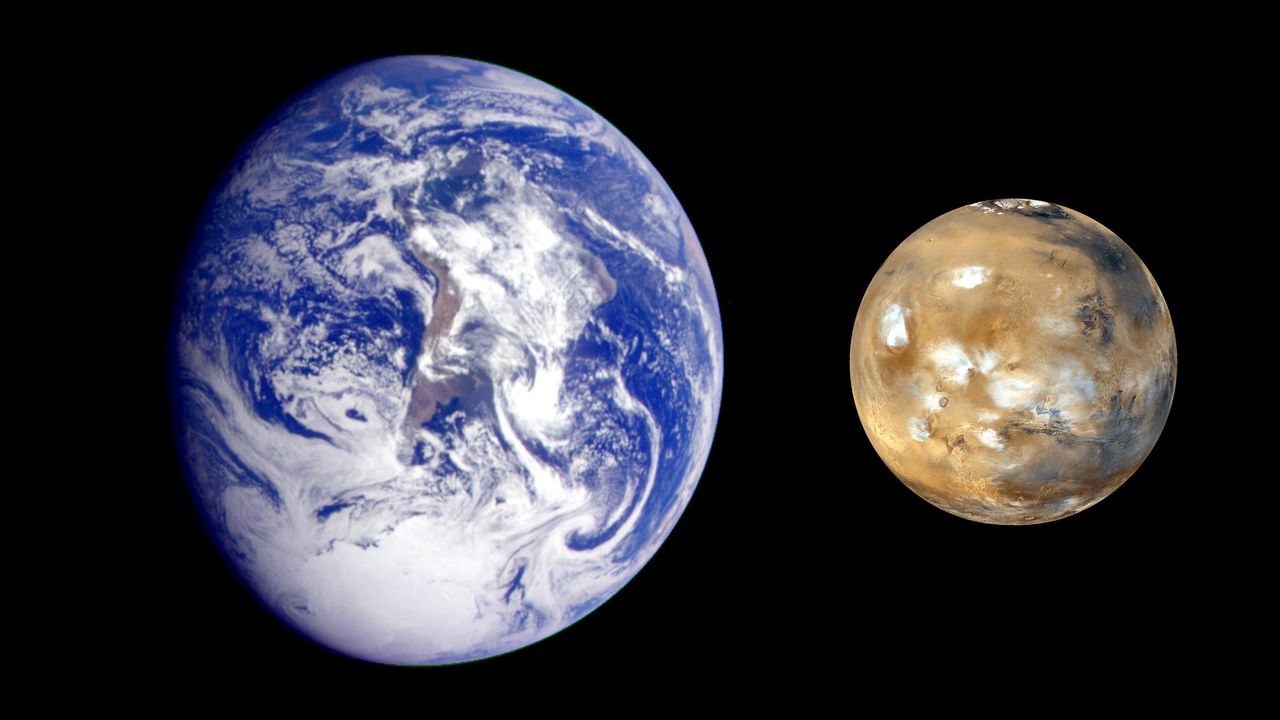
Einstein was right: Time ticks faster on Mars, posing new challenges for future missions
NeutralScience
A recent study has revealed that clocks on Mars tick faster by approximately 477 microseconds each Earth day, a phenomenon that aligns with Einstein's theory of relativity. This time discrepancy is notably greater than that observed on the Moon, which could introduce significant challenges for future crewed missions to the Red Planet.
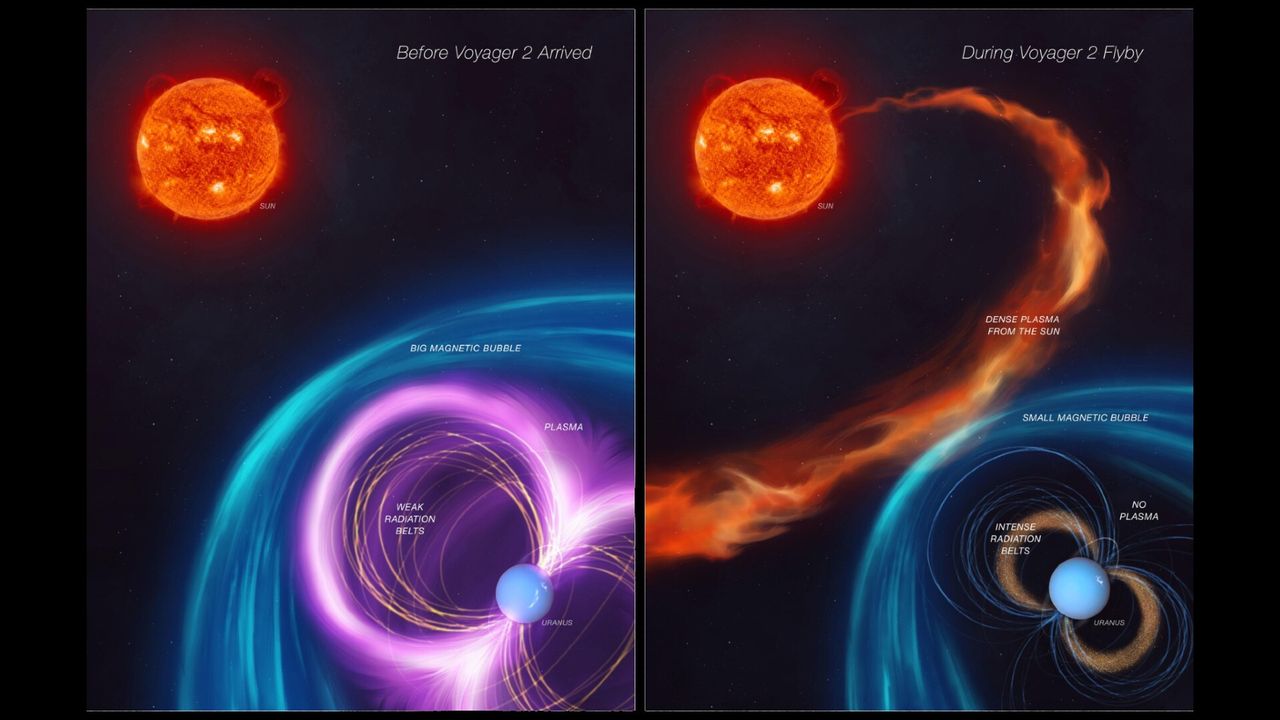
Uranus may have more in common with Earth than we thought, 40-year-old Voyager 2 probe data shows
PositiveScience
Recent analysis of data from the Voyager 2 probe has revealed that Uranus may share more similarities with Earth than previously understood, addressing a long-standing mystery in planetary science. This finding is based on nearly 40 years of data, which has provided new insights into the characteristics of Uranus.
Earth's crust hides enough 'gold' hydrogen to power the world for tens of thousands of years, emerging research suggests
PositiveScience
Emerging research indicates that Earth's crust contains significant reservoirs of hydrogen gas, which could potentially provide a sustainable energy source for tens of thousands of years. This discovery highlights the natural formation of hydrogen, presenting an opportunity for decarbonization efforts worldwide.

Ready to build your own newsroom?

Subscribe once and get a personalised feed, podcast, newsletter, and notifications tuned to the topics you actually care about.