Scientists create new solid-state sodium-ion battery — they say it'll make EVs cheaper and safer

Live ScienceWednesday, December 10, 2025 at 4:00:00 PM
PositiveScience
Scientists create new solid-state sodium-ion battery — they say it'll make EVs cheaper and safer
  • Scientists have developed a new solid-state sodium-ion battery, which is touted as a cheaper and safer alternative to traditional lithium-ion systems, potentially revolutionizing electric vehicle (EV) technology. This innovation marks a significant step towards more sustainable energy solutions in the automotive sector.
  • The introduction of this sodium-ion battery could lead to reduced costs for EV manufacturers and consumers, enhancing the accessibility of electric vehicles. This development aligns with global efforts to transition to greener technologies and reduce reliance on lithium, which is often associated with environmental concerns.
  • The emergence of sodium-ion technology reflects a growing trend in the energy sector towards exploring alternative battery solutions that promise better performance under extreme conditions, such as cold weather. As outdoor enthusiasts and industries seek reliable energy sources, innovations like the Bluetti Pioneer Na highlight the versatility and potential of sodium-ion batteries beyond just automotive applications.
— via World Pulse Now AI Editorial System
Was this article worth reading? Share it

Continue Readings
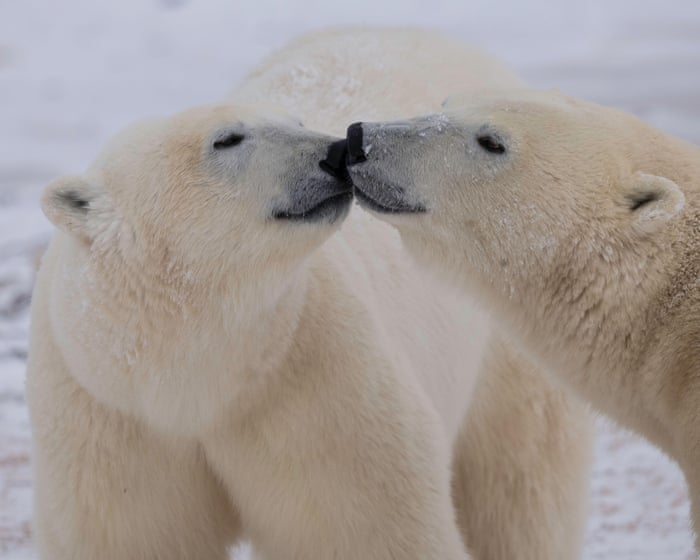
Changes to polar bear DNA could help them adapt to global heating, study finds
NeutralScience
Researchers have identified genetic changes in polar bears from southern Greenland that may enable them to adapt to rising temperatures, marking a significant finding in the study of wildlife adaptation to climate change. This study is considered the first to establish a statistically significant connection between temperature increases and genetic alterations in a wild mammal species.
A Deadly Pathogen Decimated Sunflower Sea Stars. Look Inside the Lab Working to Bring Them Back by Freezing and Thawing Their Larvae
PositiveScience
Scientists have successfully cryopreserved and revived the larvae of the giant pink star, marking a significant breakthrough in efforts to restore the population of Sunflower Sea Stars, which have been decimated by a deadly pathogen. This achievement represents the first time that such a technique has been applied to this sea star species, offering a potential pathway for conservation efforts.
Scientists Explain How mRNA COVID Vaccines May Rarely Cause Myocarditis
NeutralScience
A new study has identified a mechanism by which mRNA COVID vaccines may, in rare instances, lead to myocarditis, a form of heart inflammation. This condition can also occur as a result of the COVID-19 disease itself, highlighting a potential link between vaccination and heart health concerns.
Ancient Humans Were Making Fire 350,000 Years Earlier Than Scientists Realized
NeutralScience
Recent research indicates that ancient humans were capable of making fire 350,000 years earlier than previously believed. This significant finding challenges existing timelines regarding the development of this crucial skill among early ancestors.
Uranus may have more in common with Earth than we thought, 40-year-old Voyager 2 probe data shows
PositiveScience
Recent analysis of data from the Voyager 2 probe has revealed that Uranus may share more similarities with Earth than previously understood, addressing a long-standing mystery in planetary science. This finding is based on nearly 40 years of data, which has provided new insights into the characteristics of Uranus.