NASA just lost contact with a Mars orbiter, and will soon lose another one

Ars TechnicaThursday, December 11, 2025 at 12:29:54 AM
NegativeTechnology
NASA just lost contact with a Mars orbiter, and will soon lose another one
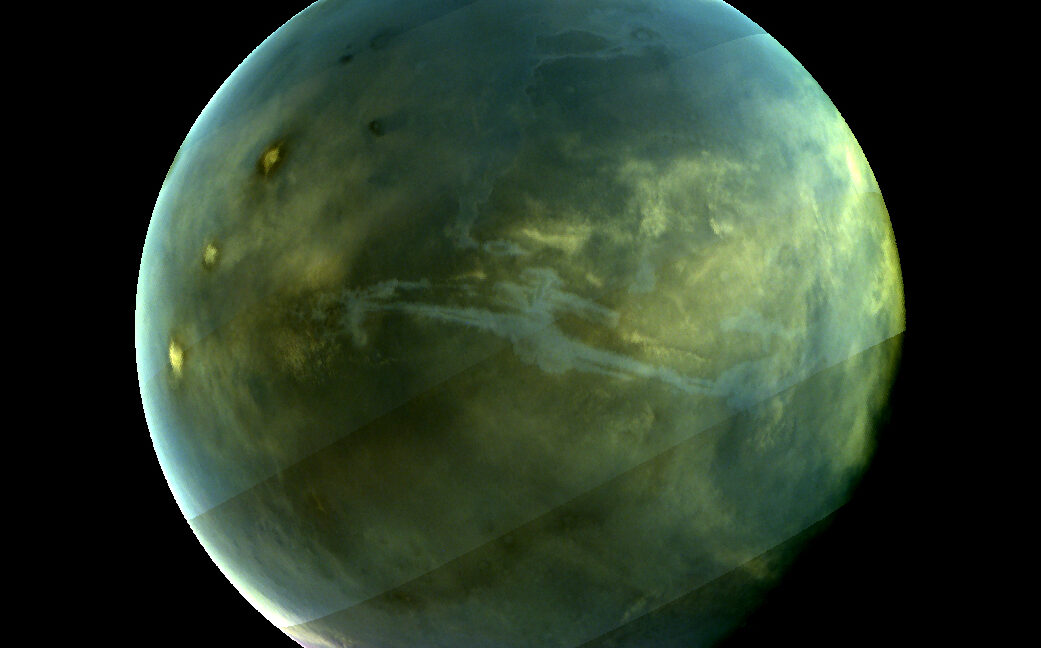
  • NASA has recently lost contact with its Maven spacecraft, which has been orbiting Mars for over a decade, marking a significant setback in its ongoing mission to study the Martian atmosphere and climate. This loss of communication raises concerns about the agency's current capabilities in Mars exploration.
  • The loss of the Maven orbiter is a critical blow to NASA's Mars exploration efforts, highlighting the urgent need for new missions to continue research and gather data on the planet. As the agency prepares to potentially lose another orbiter, the future of its Mars program appears increasingly uncertain.
  • This incident underscores a broader trend in space exploration, where aging technology and equipment can hinder scientific progress. While some scientists advocate for sending astronauts to Mars, emphasizing the feasibility and potential benefits of such missions, NASA's recent challenges with its robotic missions raise questions about its readiness and strategy for future endeavors.
— via World Pulse Now AI Editorial System

Was this article worth reading? Share it

Recommended apps based on your readingExplore all apps
Continue Readings
NASA sends 4 astronauts back to Earth in first medical evacuation
NeutralTechnology
NASA has successfully sent four astronauts back to Earth in a historic medical evacuation, marking a significant milestone in space operations. This mission was initiated due to an astronaut requiring urgent medical care, demonstrating NASA's commitment to the health and safety of its crew members in space.
A Postcard From Mars: NASA's Curiosity Rover Sends Beautiful Mount Sharp Panorama
PositiveTechnology
NASA's Curiosity Rover has captured stunning panoramic images of Mount Sharp, showcasing the Martian landscape during different times of the day. The images were taken in the morning and evening, highlighting the variations in light and shadow on the mountain's surface.
NASA returns humans to deep space after over 50 years with February Artemis II Moon mission
PositiveTechnology
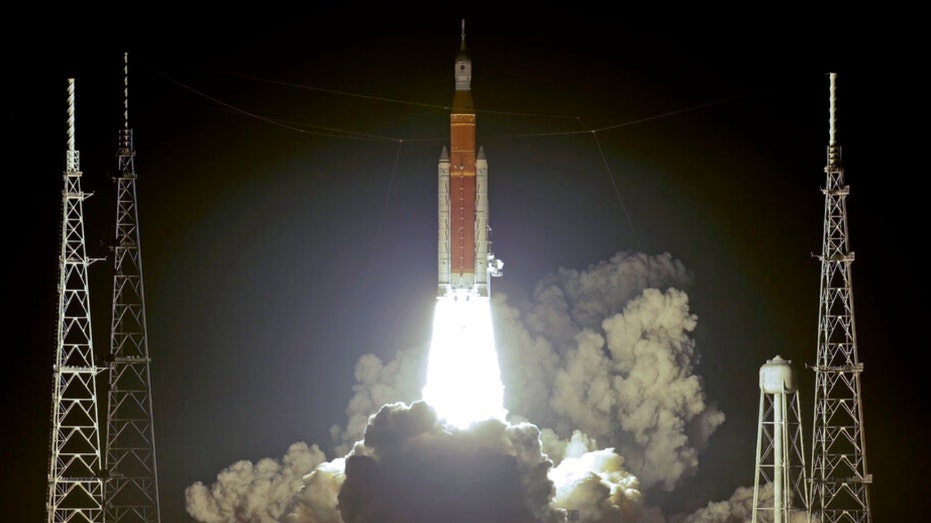
NASA has announced the launch date for the Artemis II mission, scheduled for February 6, 2026, marking the first time in over 50 years that humans will travel around the Moon. This historic 10-day mission will send four astronauts into deep space, reigniting human exploration of lunar environments.

Ready to build your own newsroom?

Subscribe to unlock a personalised feed, podcasts, newsletters, and notifications tailored to the topics you actually care about