XXLTraffic: Expanding and Extremely Long Traffic forecasting beyond test adaptation

arXiv — cs.LGWednesday, December 3, 2025 at 5:00:00 AM
  • XXLTraffic has been introduced as the largest public traffic dataset, featuring extensive data collected from Los Angeles, USA, and New South Wales, Australia, aimed at enhancing traffic forecasting capabilities. This dataset addresses the limitations of current public datasets, which often fail to reflect real-world traffic conditions due to evolving infrastructures and sensor downtimes.
  • The development of XXLTraffic is significant as it supports research in extremely long-term traffic forecasting, potentially leading to improved smart city initiatives and intelligent transportation systems, thereby enhancing urban mobility and planning.
— via World Pulse Now AI Editorial System


Was this article worth reading? Share it

Recommended apps based on your readingExplore all apps
Continue Readings
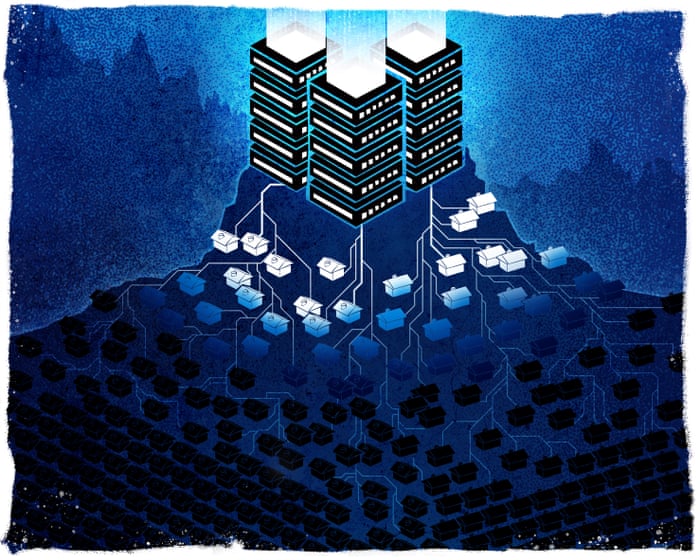
Thirsty work: how the rise of massive datacentres strains Australia’s drinking water supply
NegativeArtificial Intelligence
The rapid expansion of datacentres in Australia, particularly in Sydney and Melbourne, is raising concerns about their significant impact on the country's drinking water supply. Experts predict that the water demand for cooling these facilities in Sydney alone could surpass the total drinking water volume of Canberra within the next decade.
Gong study: Sales teams using AI generate 77% more revenue per rep
PositiveArtificial Intelligence
A recent study by Gong reveals that sales teams utilizing artificial intelligence (AI) generate 77% more revenue per representative, indicating a significant shift in how revenue leaders view AI in business decision-making. The study surveyed over 3,000 global revenue leaders and analyzed 7.1 million sales opportunities across various countries, including the United States, United Kingdom, Australia, and Germany.
Datacentres demand huge amounts of electricity. Could they derail Australia’s net zero ambitions?
NegativeArtificial Intelligence
Datacentres in Australia are projected to triple their power demand within five years, potentially surpassing the energy consumption of electric vehicles by 2030. Currently, they account for approximately 2% of the electricity drawn from the National Grid, translating to around 4 terawatt hours of power.