Gong study: Sales teams using AI generate 77% more revenue per rep

VentureBeat — AIThursday, December 4, 2025 at 2:00:00 PM
Gong study: Sales teams using AI generate 77% more revenue per rep
  • A recent study by Gong reveals that sales teams utilizing artificial intelligence (AI) generate 77% more revenue per representative, indicating a significant shift in how revenue leaders view AI in business decision-making. The study surveyed over 3,000 global revenue leaders and analyzed 7.1 million sales opportunities across various countries, including the United States, United Kingdom, Australia, and Germany.
  • This development is crucial as it highlights the growing trust and reliance on AI among enterprise revenue leaders, with 70% now regularly using AI to inform their strategies. This marks a departure from previous years when AI was often seen as experimental, suggesting a maturation of AI technologies in sales processes.
  • The findings also reflect broader trends in the tech industry, where companies like Salesforce are reporting substantial revenue growth driven by AI initiatives. However, contrasting reports from Microsoft indicate challenges in meeting sales targets for AI products, underscoring the competitive landscape and varying levels of success in AI adoption across different organizations.
— via World Pulse Now AI Editorial System


Was this article worth reading? Share it

Recommended apps based on your readingExplore all apps
Continue Readings
The 'truth serum' for AI: OpenAI’s new method for training models to confess their mistakes
PositiveArtificial Intelligence
OpenAI researchers have developed a new method termed 'confessions' that encourages large language models (LLMs) to self-report errors and misbehavior, addressing concerns about AI honesty and transparency. This approach aims to enhance the reliability of AI systems by making them more accountable for their outputs.
Meta Stock Surges on Plans for Metaverse Cuts | Bloomberg Tech 12/4/2025
PositiveArtificial Intelligence
Meta has announced plans to significantly cut resources allocated to its metaverse project, a shift from CEO Mark Zuckerberg's earlier vision of the metaverse as the company's future direction. This decision reflects a reevaluation of priorities amid financial pressures and scrutiny regarding the project's viability.
Windows updates keep breaking, and Microsoft's "agentic OS" isn't helping
NegativeArtificial Intelligence
Microsoft has issued a support document indicating that Windows updates released after July 2025 may disrupt critical components of the operating system, including File Explorer and the Start menu, leading to erratic behavior on some enterprise devices.
Microsoft Previews Cloud-Hosted Foundry MCP Server for AI Agent Development
PositiveArtificial Intelligence
Microsoft Foundry has unveiled a preview of its cloud-hosted Foundry MCP Server, enabling AI agents to securely utilize Foundry tools for various workflows, including model development and deployment, directly from platforms like VS Code and Visual Studio.
Volkswagen to Keep Dresden Site Open as AI, Chip Tech Center
PositiveArtificial Intelligence
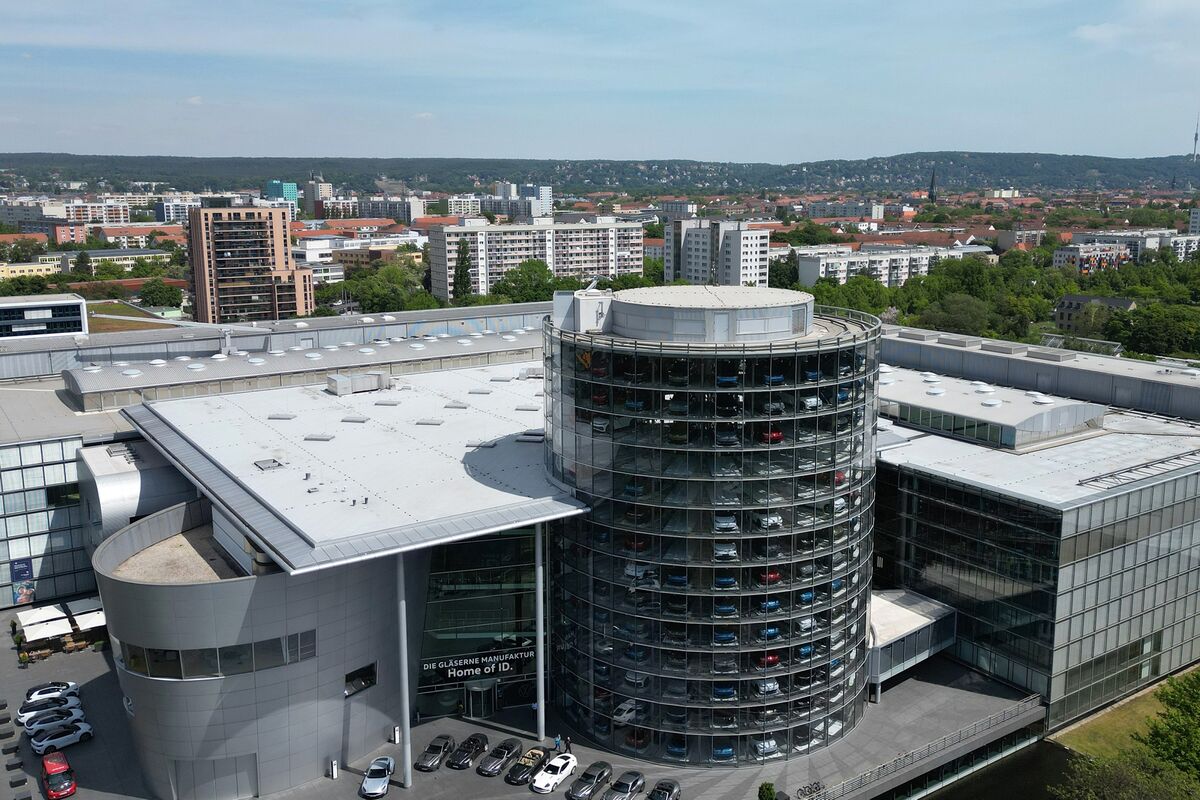
Volkswagen AG has announced plans to transform its small-scale assembly plant in Dresden into an innovation hub focused on artificial intelligence and chip technology, ceasing car production at the site. This decision aligns with the company's commitment to avoid factory closures in Germany.
Thirsty work: how the rise of massive datacentres strains Australia’s drinking water supply
NegativeArtificial Intelligence
The rapid expansion of datacentres in Australia, particularly in Sydney and Melbourne, is raising concerns about their significant impact on the country's drinking water supply. Experts predict that the water demand for cooling these facilities in Sydney alone could surpass the total drinking water volume of Canberra within the next decade.
The AI boom is heralding a new gold rush in the American west
PositiveArtificial Intelligence
The Nevada desert, historically known for its gold rush, is now experiencing a significant expansion in technology with the development of vast datacenters, particularly at the Tahoe-Reno Industrial Center, which is larger than Denver. This area hosts major tech companies like Google and Microsoft, marking a shift towards digital infrastructure in the region.
How TSMC, Intel, and Amkor are transforming Phoenix into a US chip hub, investing tens of billions and illustrating the difficulties of large-scale US projects (Peter S. Goodman/New York Times)
NeutralArtificial Intelligence
Taiwan Semiconductor Manufacturing Company (TSMC), Intel, and Amkor are investing tens of billions to transform Phoenix into a semiconductor hub, highlighting the complexities of executing large-scale projects in the U.S. This initiative aims to bolster domestic chip production amid global supply chain challenges.