Puzder Says EU AI Regulations Make Cooperation Difficult

Bloomberg TechnologyFriday, December 5, 2025 at 12:04:19 PM
Puzder Says EU AI Regulations Make Cooperation Difficult
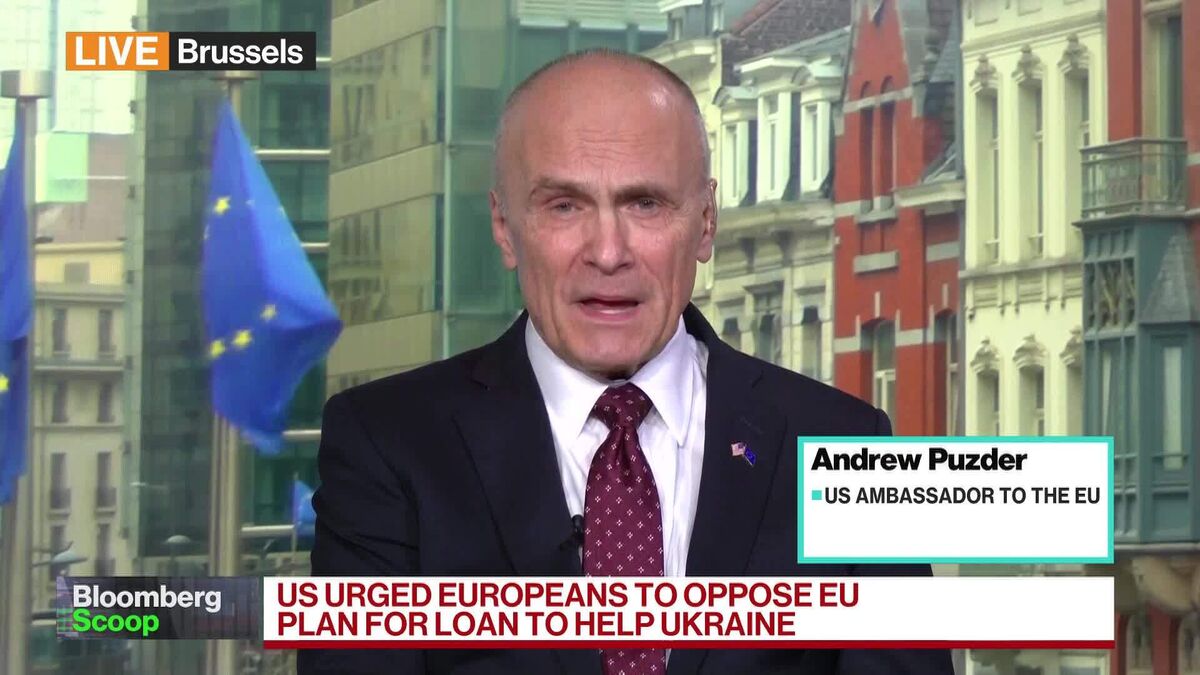
  • Andrew Puzder, the US Ambassador to the EU, criticized European Union regulations that he claims hinder the development of artificial intelligence (AI) in Europe. He stated that these regulations are not aligned with the continent's economic interests and impede necessary investments in the AI sector. Puzder made these remarks during an appearance on Bloomberg TV's 'The Pulse' with Francine Lacqua.
  • This development is significant as it highlights the tension between US and EU regulatory approaches to AI, with Puzder suggesting that the EU's stringent regulations could deter investment and innovation in a rapidly evolving industry. The implications of such regulatory frameworks could affect Europe's competitiveness in the global AI market.
  • The ongoing debate surrounding AI regulations reflects broader concerns about balancing innovation with safety and ethical considerations. As the EU contemplates updates to its AI Act and GDPR, pressures from the US and tech companies are influencing these discussions, raising questions about the future of digital regulations and their impact on business growth and technological advancement in Europe.
— via World Pulse Now AI Editorial System
Was this article worth reading? Share it

Recommended apps based on your readingExplore all apps
Continue Readings
Wall St. Races to Cut Its Risk From AI’s Borrowing Binge
NeutralArtificial Intelligence
Wall Street is preparing to lend significant amounts to leading players in artificial intelligence (AI) while simultaneously seeking strategies to mitigate risks associated with potential market bubbles that this financing may create. This proactive approach reflects the growing financial commitment to AI advancements.
EU Hits Elon Musk’s X With $140 Million Fine
NegativeArtificial Intelligence
The European Union has imposed a €120 million ($140 million) fine on Elon Musk's social media platform, X, for violating content-moderation laws. This penalty highlights ongoing tensions between the EU and the Trump administration regarding online transparency and regulatory compliance.
Polymarket Is Struggling With a $59 Million Bet About Itself
NegativeArtificial Intelligence
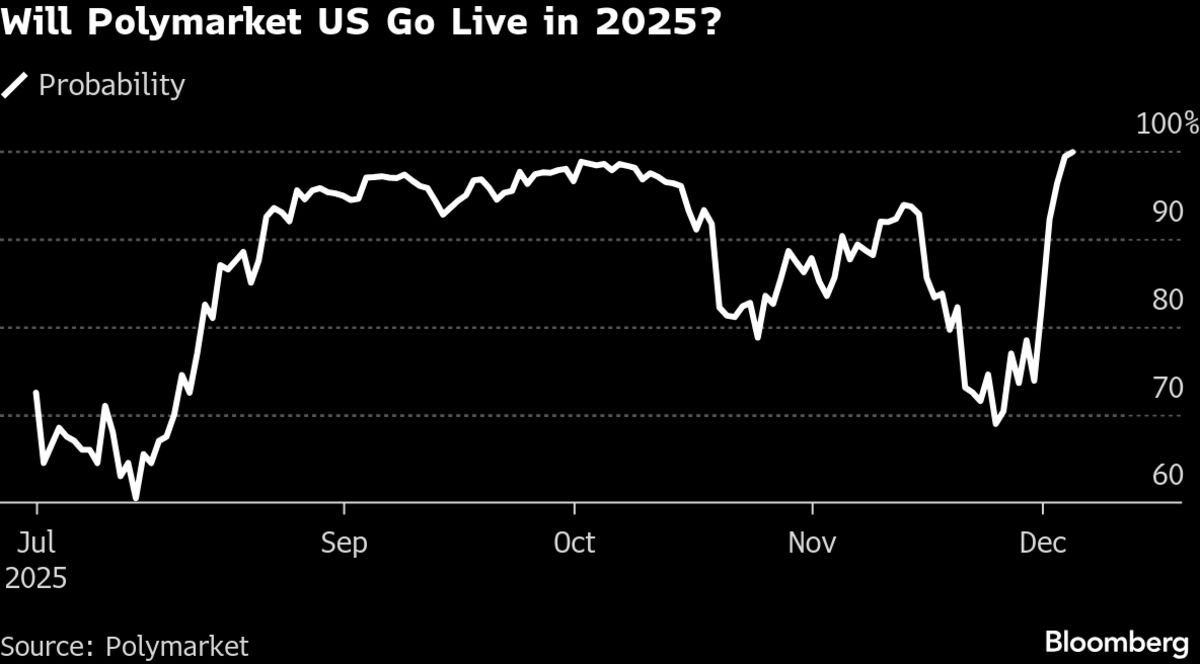
Polymarket is facing challenges as traders have placed over $59 million in bets on whether the company will launch its US platform by year-end. This situation highlights the inherent uncertainties in prediction markets, which are designed to resolve ambiguity but are now grappling with it themselves.
AI Startup Parloa Said to Seek $200 Million in New Funding Round
NeutralArtificial Intelligence
Parloa, a German startup focused on artificial intelligence for customer service, is reportedly seeking to raise $200 million in a new funding round, which could significantly enhance its valuation since May. This move reflects the company's ambition to expand its operations and improve its market position.
Elon Musk’s X first to be fined under EU’s Digital Services Act
NegativeArtificial Intelligence
Elon Musk's social media platform, X, has been fined €120 million ($140 million) by the European Union for violating content moderation laws under the Digital Services Act. This penalty marks the first significant enforcement action against a major platform since the implementation of these new regulations.
X hit with $140 million fine from the EU
NegativeArtificial Intelligence
The European Union has imposed a fine of €120 million ($140 million) on Elon Musk's social media platform, X, for violating content moderation laws. This decision marks a significant enforcement action under the EU's new digital regulations, reflecting the bloc's commitment to holding tech companies accountable for their content policies.
In its first DSA penalty, EU fines X €120M for ‘deceptive’ blue check verification system
NegativeArtificial Intelligence
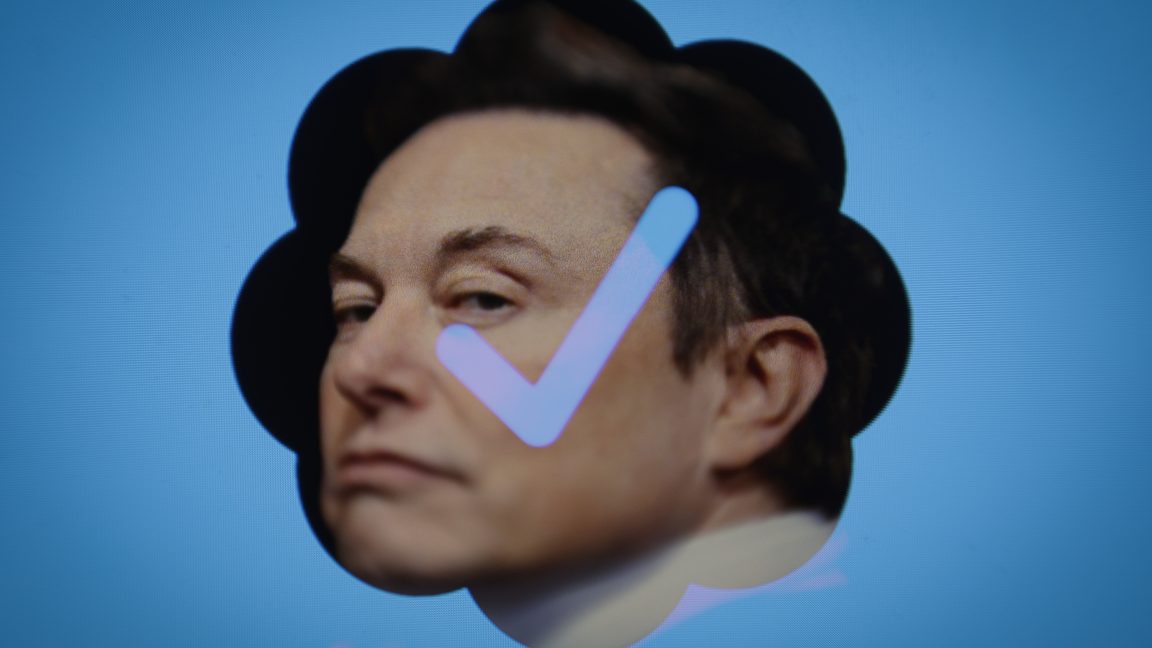
The European Commission has imposed a €120 million fine on X, the social network formerly known as Twitter, for its misleading blue check verification system that allowed anyone to purchase verification. This marks the first penalty under the Digital Services Act (DSA).
Enthusiasm for OpenAI’s Sora Fades After Initial Creative Burst
NegativeArtificial Intelligence
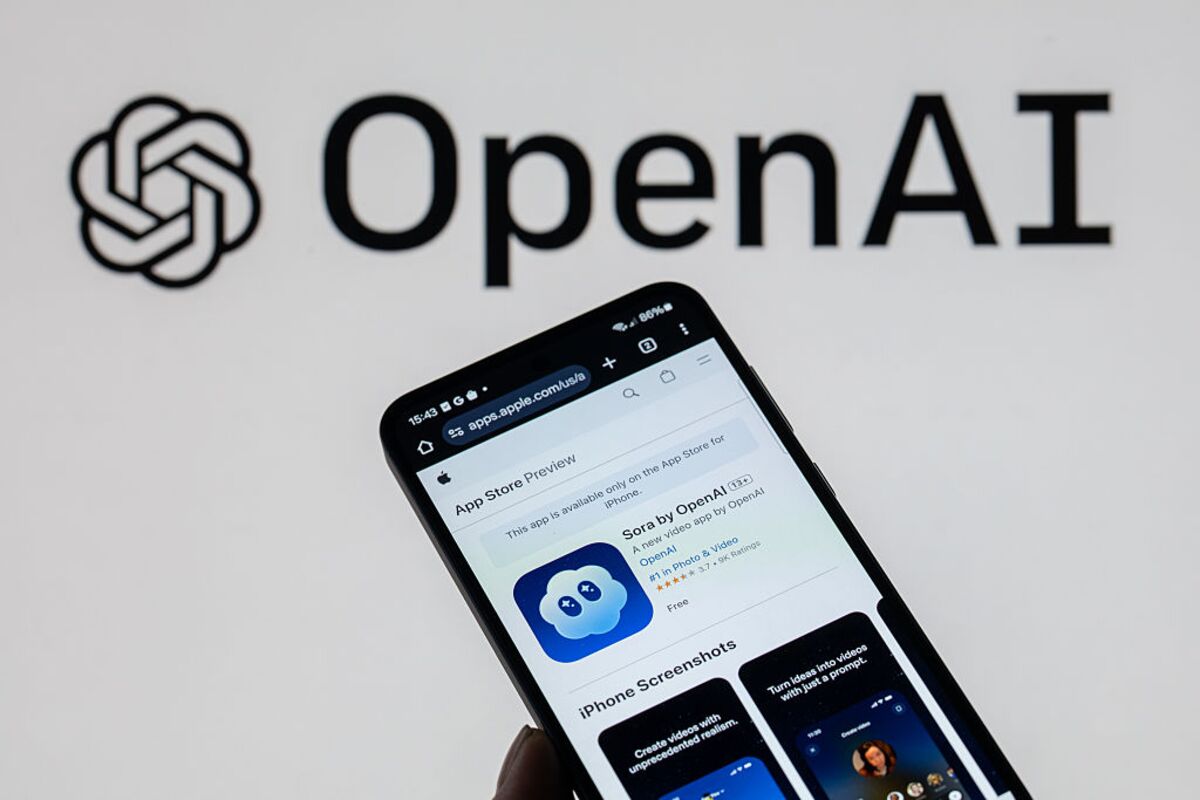
OpenAI's video generator, Sora, has seen a decline in enthusiasm following an initial surge of interest, as reported by Ellen Huet in Bloomberg Technology. The fading excitement highlights challenges in sustaining user engagement and innovation in the competitive AI landscape.