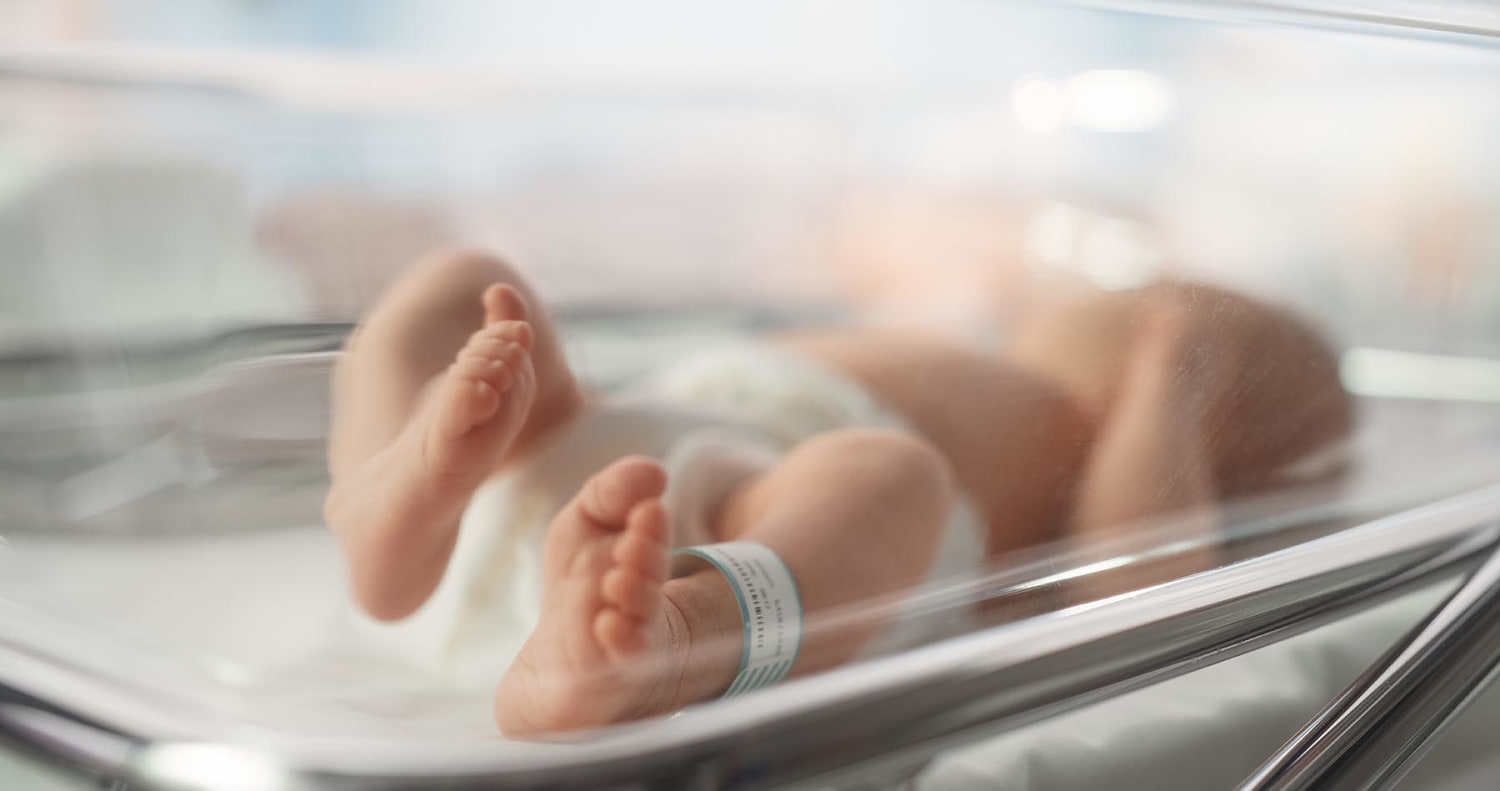
CDC advisers could reverse hepatitis B vaccine recommendations for newborns

NBC NewsWednesday, December 3, 2025 at 7:01:17 PM
NeutralHealth
CDC advisers could reverse hepatitis B vaccine recommendations for newborns
  • A group of advisers at the Centers for Disease Control and Prevention (CDC) is considering reversing the long-standing recommendation for newborns to receive a hepatitis B vaccination within 24 hours of birth. This potential change comes amid ongoing discussions about vaccine protocols and their implications for public health.
  • The decision to potentially alter the vaccination guidelines for newborns could have significant implications for families and healthcare providers, particularly in terms of preventing hepatitis B transmission from mother to child during childbirth.
  • This development reflects a broader scrutiny of vaccine recommendations and public health messaging, particularly in light of recent controversies surrounding vaccine safety and efficacy, which have raised questions about the reliability of health information provided by authorities.
— via World Pulse Now AI Editorial System


Was this article worth reading? Share it

Recommended apps based on your readingExplore all apps
Continue Readings
Is brain rot real? Researchers warn of emerging risks tied to short-form video
NeutralHealth
Researchers are investigating the potential cognitive risks associated with the rise of short-form video content on social media, which has become a dominant format in recent years. The study aims to understand how this engaging, algorithm-driven medium may be altering brain function and structure.
CDC's vaccine advisers meet to question long-used vaccines
NeutralHealth
Advisers to the Centers for Disease Control and Prevention (CDC) are convening to review the childhood vaccine schedule, with discussions indicating potential changes to long-standing recommendations. This meeting reflects a growing scrutiny of vaccine protocols amid evolving public health discussions.
Over 250,000 cases of shredded cheese recalled over possible metal fragments
NegativeHealth
A voluntary recall has been issued for over 250,000 cases of shredded cheese sold at major retailers due to potential contamination with metal fragments, as reported by the Food and Drug Administration. This recall affects a significant quantity of product, raising concerns about food safety and consumer health.
Hopes fade in Congress for a health care deal before premiums are expected to soar
NegativeHealth
Congress is facing a critical deadline as health insurance premiums are expected to rise significantly for millions of Americans within a month, yet efforts to reach a deal to address these escalating costs have stalled, leading to widespread pessimism among lawmakers.
Inside the Rise of Medical Ad Scams Powered by AI Deepfakes
NegativeHealth
New warnings have emerged regarding online advertisements for medical products that promote seemingly easy treatments for various ailments, utilizing AI deepfakes to create convincing endorsements featuring celebrities and doctors. NBC’s Vicky Nguyen reports on the increasing sophistication of these scams that mislead consumers.
CDC advisers could reverse newborn hepatitis B vaccine recommendations
NeutralHealth
A group of advisers to the Centers for Disease Control and Prevention (CDC) is set to vote on potentially reversing the long-standing recommendation for newborns to receive a hepatitis B vaccination within 24 hours of birth. This decision could significantly alter vaccination protocols for infants in the United States.
USDA threatens to withhold SNAP benefits from blue states over immigration data
NegativeHealth
Agriculture Secretary Brooke Rollins announced that the USDA may withhold SNAP benefits from blue states unless they provide requested immigration data, following a recent court ruling that prohibited the administration from using such data as a condition for food assistance funding.
San Francisco sues 10 companies that make ultraprocessed food
NegativeHealth
San Francisco has filed a lawsuit against 10 major food companies, claiming that these companies marketed and sold ultraprocessed foods while being aware of the potential harm to human health. The lawsuit highlights concerns over the impact of such foods on public health and nutrition.