James Webb telescope spots 'monster stars' leaking nitrogen in the early universe — and they could help solve a major mystery

Live ScienceThursday, December 11, 2025 at 6:55:48 PM
PositiveScience
James Webb telescope spots 'monster stars' leaking nitrogen in the early universe — and they could help solve a major mystery
  • Researchers utilizing the James Webb Space Telescope have discovered massive stars leaking nitrogen in an early galaxy, suggesting that these 'monster stars' could be linked to the formation of ancient supermassive black holes. This finding provides new insights into the conditions of the early universe.
  • The identification of these nitrogen-leaking stars is significant as it may help unravel the mystery surrounding the origins of supermassive black holes, which are pivotal to understanding galaxy formation and evolution in the cosmos.
  • This discovery aligns with ongoing efforts to explore the early universe, including recent findings of the oldest supernova and rapidly feeding supermassive black holes, highlighting the dynamic processes that shaped the cosmos shortly after the Big Bang.
— via World Pulse Now AI Editorial System
Was this article worth reading? Share it

Recommended apps based on your readingExplore all apps
Continue Readings
How do you activate a supermassive black hole? A galaxy merger should do the trick
NeutralScience
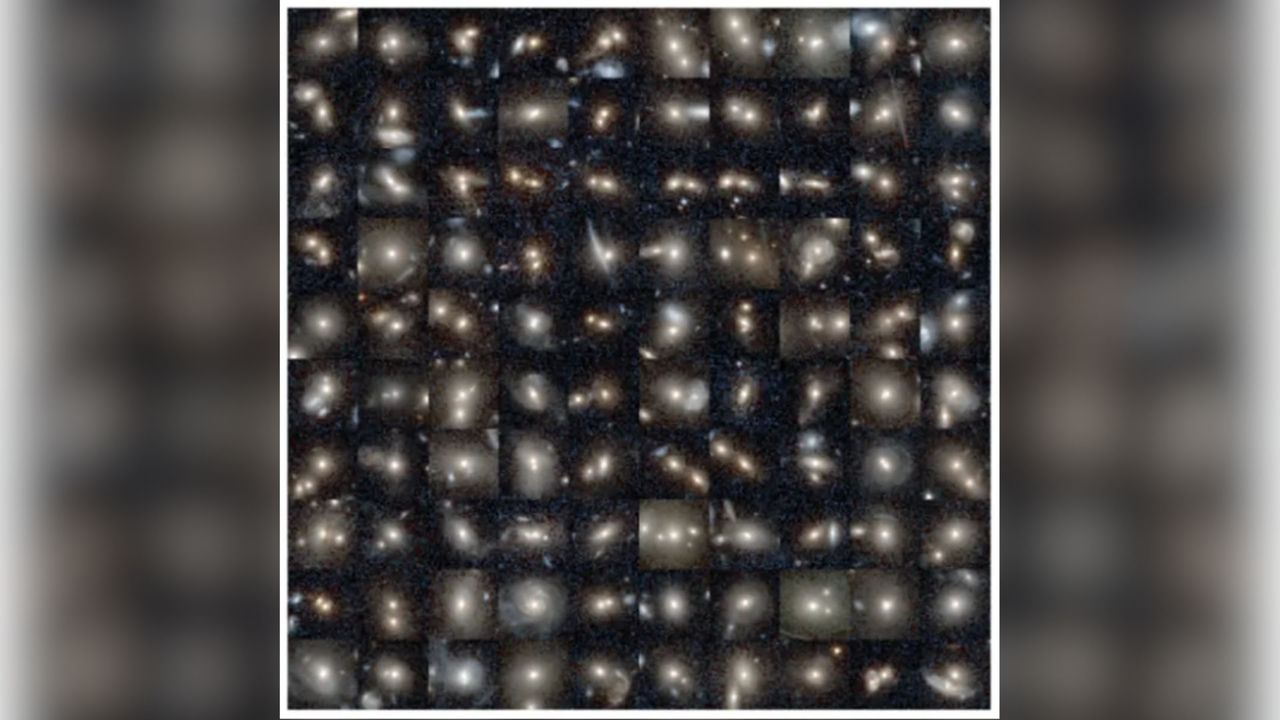
A recent collaboration between a space telescope and artificial intelligence has analyzed over a million galaxies to determine the triggers for activating supermassive black holes, with galaxy mergers identified as a significant factor.
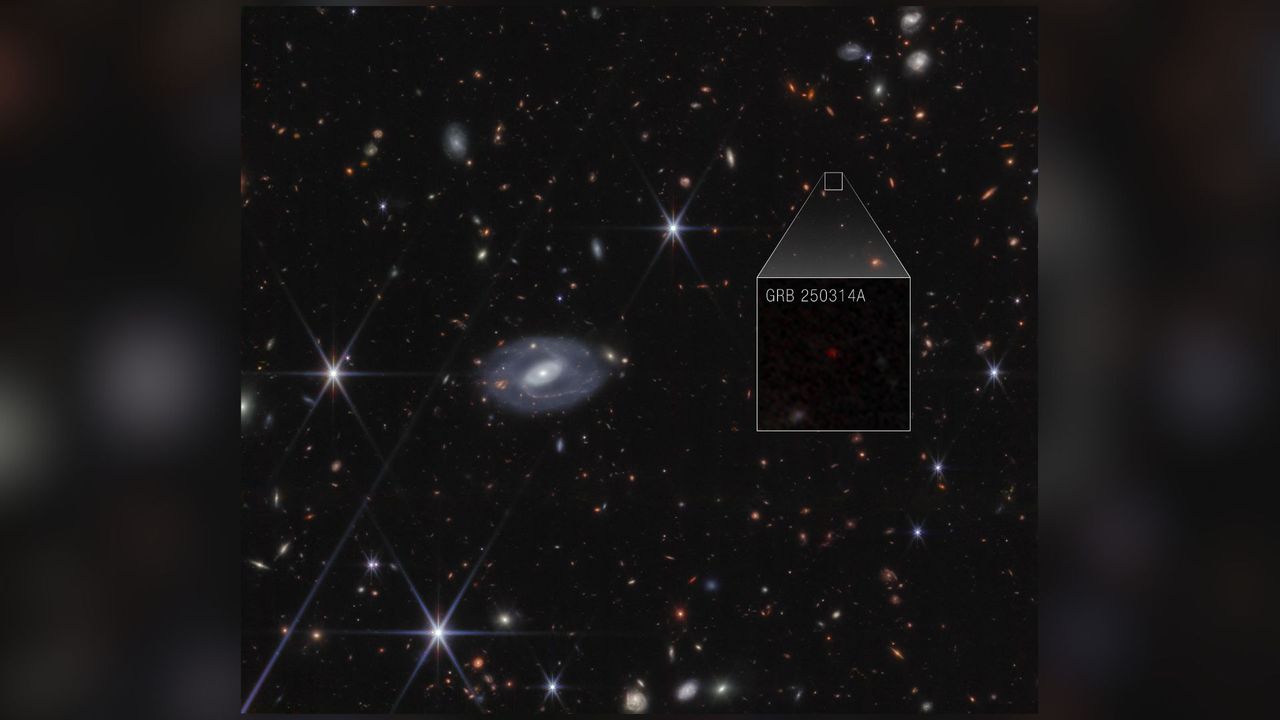
The James Webb Space Telescope just found the oldest supernova ever seen
PositiveScience
The James Webb Space Telescope (JWST) has made a groundbreaking discovery by identifying the oldest supernova ever observed, which exploded over 13 billion years ago in a distant galaxy. This finding sheds light on the early universe and the processes that shaped it.