'Intelligence comes at a price, and for many species, the benefits just aren't worth it': A neuroscientist's take on how human intellect evolved

Live ScienceFriday, December 5, 2025 at 11:00:00 AM
NeutralScience
'Intelligence comes at a price, and for many species, the benefits just aren't worth it': A neuroscientist's take on how human intellect evolved
  • In his book "One Hand Clapping," neuroscientist Nikolay Kukushkin examines the evolution of consciousness and the factors that contribute to human intelligence, suggesting that the cognitive abilities of various species come with significant costs that may not always be beneficial.
  • Kukushkin's insights are crucial as they challenge the perception of intelligence as an unequivocal advantage, prompting a reevaluation of how cognitive evolution is understood in the context of survival and adaptation.
  • The discussion around the evolution of intelligence raises important questions about the predictability of cognitive development in species, highlighting a broader scientific inquiry into the relationship between environmental pressures and the emergence of complex thought processes.
— via World Pulse Now AI Editorial System

Was this article worth reading? Share it

Recommended apps based on your readingExplore all apps
Continue Readings
New 'physics shortcut' lets laptops tackle quantum problems once reserved for supercomputers and AI
PositiveScience
Physicists have developed a user-friendly 'conversion table' that simplifies complex quantum equations, enabling laptops to solve problems previously reserved for supercomputers and AI. This innovation allows for faster results, typically within hours, making quantum computing more accessible to researchers and developers.
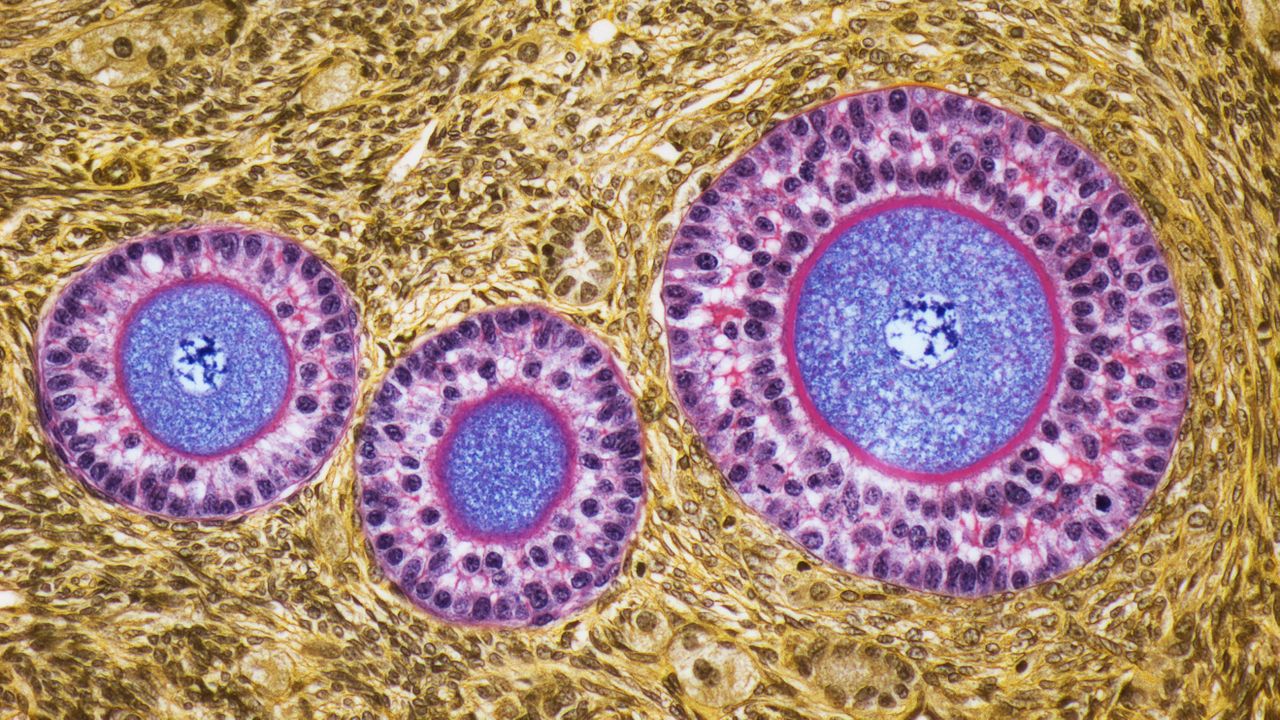
Could aging eggs be 'rejuvenated'? New tool may help pave the way to fertility-extending treatments
PositiveScience
Scientists have developed a new experimental system aimed at understanding how age-related changes in egg cells increase their susceptibility to chromosomal errors. This innovative tool could significantly advance research in reproductive health and fertility treatments.
Male human heads found in a 'skull pit' in an ancient Chinese city hint at sex-specific sacrifice rituals
NeutralScience
A genetic study of 80 skulls discovered in a Stone Age city in China has revealed that the majority of the sacrificed individuals were men, challenging previous assumptions about sex-specific sacrifice rituals in ancient cultures. The findings suggest a deliberate selection process based on gender during these sacrificial practices.
Injecting anesthetic into a 'lazy eye' may correct it, early study suggests
PositiveScience
A recent study suggests that injecting anesthetic into a 'lazy eye' can temporarily shut it down, leading to a surge of neuronal activity that may reverse the condition in animal models. This finding indicates a potential new approach to treating amblyopia, a common vision disorder in children.
MIT invention uses ultrasound to shake drinking water out of the air, even in dry regions
PositiveScience
MIT researchers have developed a new device that utilizes ultrasound technology to extract drinking water from the air, significantly reducing the time required for this process from days to mere minutes. This innovation is particularly beneficial in arid regions where water scarcity is a pressing issue.
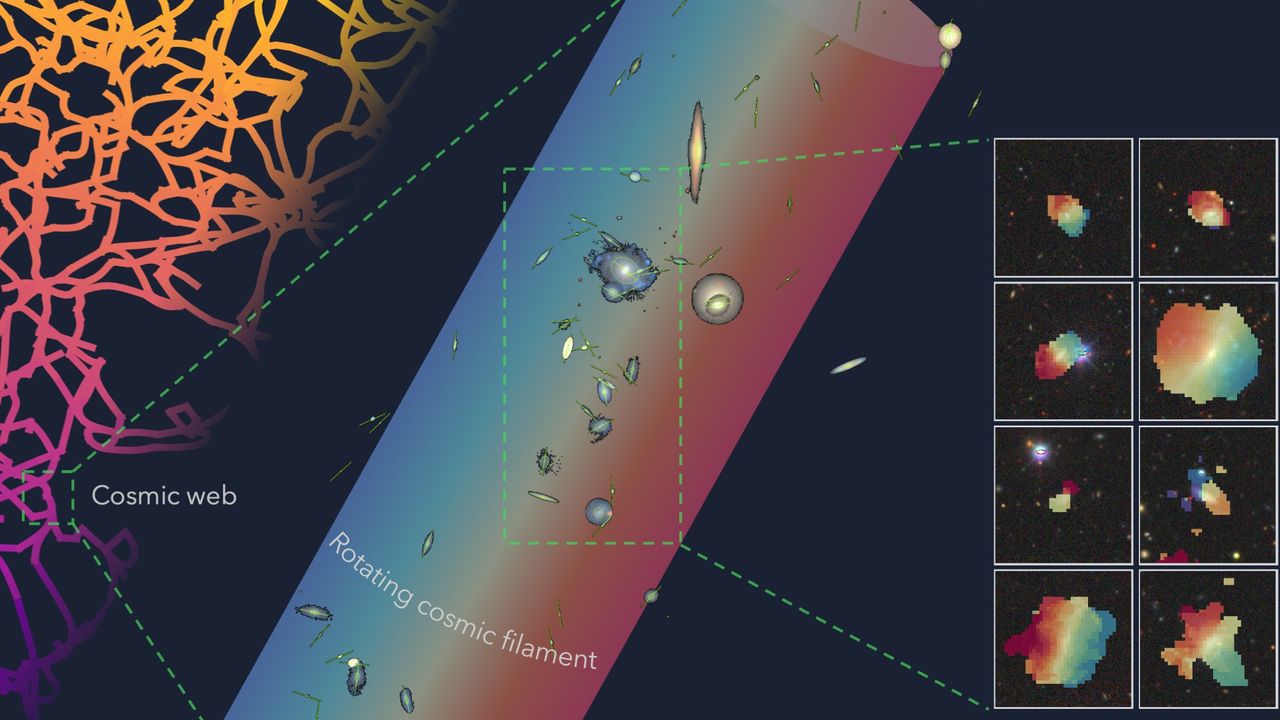
Giant rotating string of galaxies is 'probably the largest spinning object' in the known universe
PositiveScience
A colossal rotating filament of galaxies has been identified, potentially the largest spinning structure in the known universe, measuring an impressive 50 million light-years in length. This discovery could significantly enhance understanding of galaxy formation and the cosmic web's role in shaping these structures.
China has planted so many trees it's changed the entire country's water distribution
PositiveScience
China has undertaken extensive tree planting initiatives over recent decades, significantly altering the country's water distribution and activating its water cycle in ways that are beginning to be understood by scientists.
Death Valley's 'world's hottest temperature' record may be due to a human error
NeutralScience
A recent analysis of temperature records from Death Valley indicates that the world record for the highest near-surface air temperature, recorded at 134°F in July 1913, may be erroneous. This assessment covers temperature data from 1923 to 2024, suggesting potential inaccuracies in historical measurements.