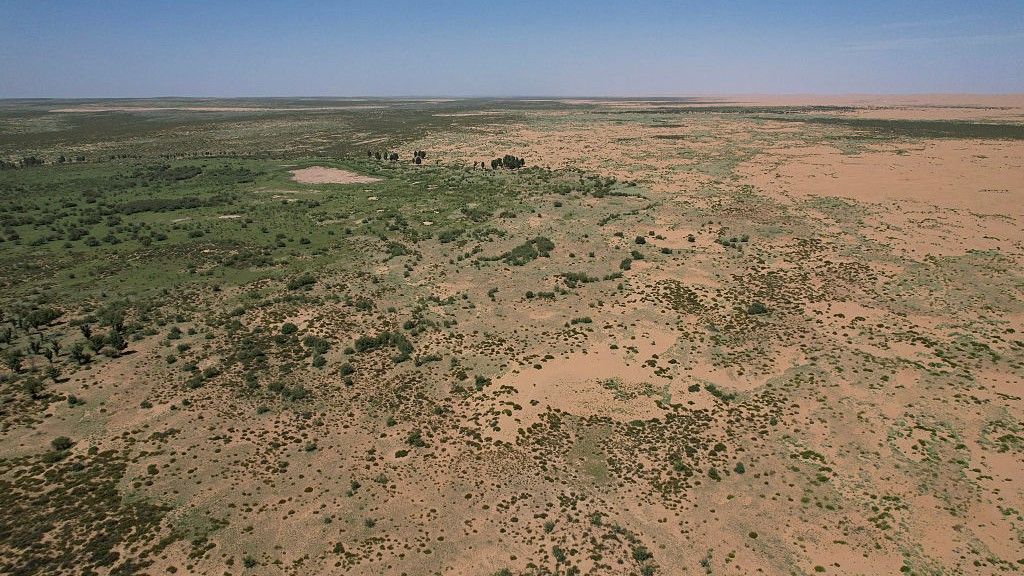
China has planted so many trees it's changed the entire country's water distribution

Live ScienceWednesday, December 3, 2025 at 3:36:50 PM
PositiveScience
China has planted so many trees it's changed the entire country's water distribution
  • China has undertaken extensive tree planting initiatives over recent decades, significantly altering the country's water distribution and activating its water cycle in ways that are beginning to be understood by scientists.
  • This transformation is crucial as it highlights the potential of large-scale environmental restoration efforts to influence hydrological systems, which could have far-reaching implications for water management and ecological health in the region.
— via World Pulse Now AI Editorial System
Was this article worth reading? Share it

Recommended apps based on your readingExplore all apps
Continue Readings
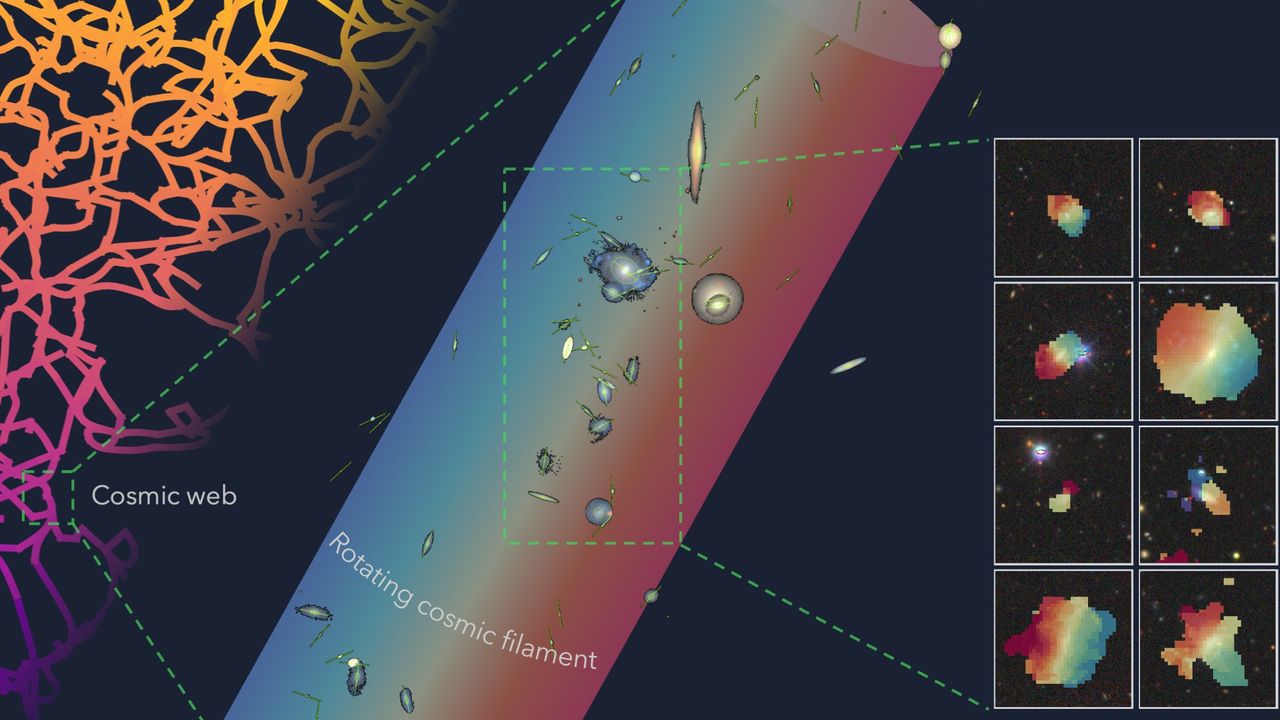
Giant rotating string of 14 galaxies is 'probably the largest spinning object' in the known universe
PositiveScience
A giant rotating filament of 14 galaxies has been identified, potentially representing the largest spinning structure observed in the universe. This discovery may provide insights into the formation and evolution of galaxies within the cosmic web.
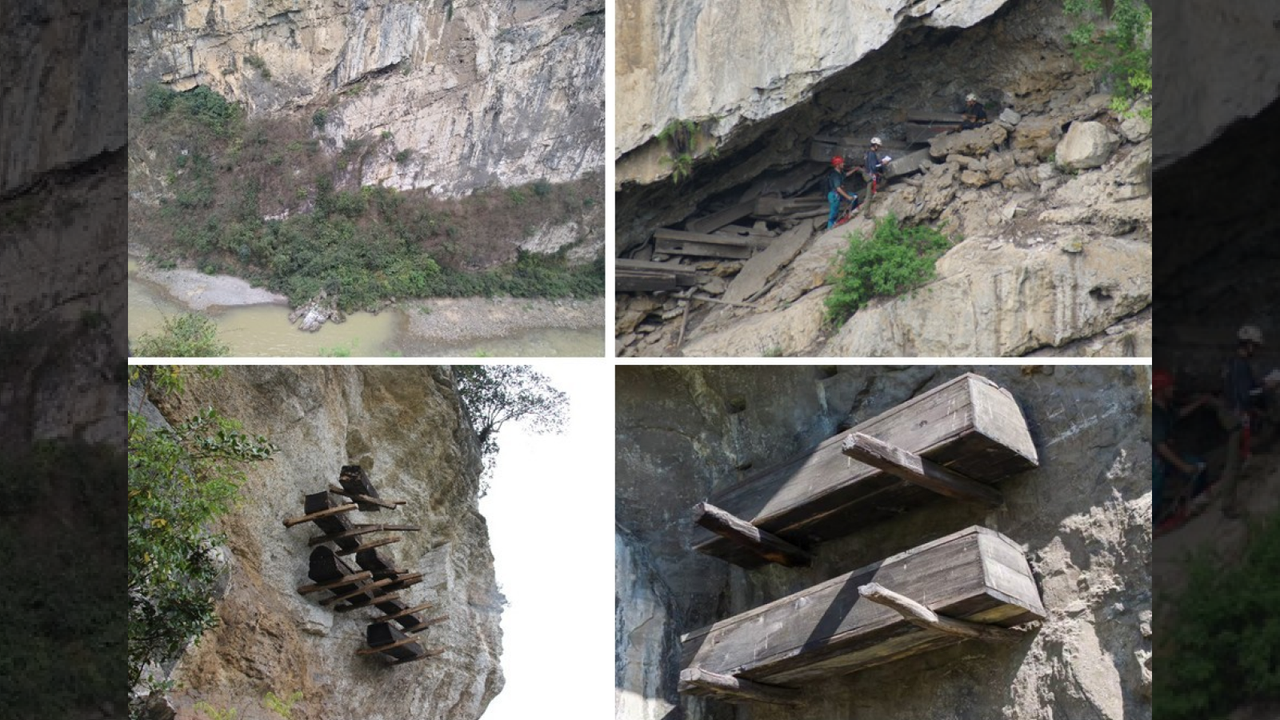
Ancient 'hanging coffin' people in China finally identified — and their descendants still live there today
PositiveScience
DNA research has successfully identified the ancient people buried in 'hanging coffins' in China and Southeast Asia, revealing their lineage and cultural significance. This discovery sheds light on the historical practices of these communities and their descendants, who continue to inhabit the same regions today.
Modern China Built a Highway and Lost Something Irreplaceable
NeutralScience
The expansion of highways in the mountainous Zhuang regions of Southwest China symbolizes modernization, yet it also highlights a significant cultural clash between new infrastructure and traditional ethnic practices. This development raises concerns about the preservation of cultural identity amidst rapid societal changes.
China's 1st reusable rocket explodes in dramatic fireball during landing after reaching orbit on debut flight
NegativeScience
The inaugural flight of Landspace's Zhuque-3 rocket concluded in a catastrophic explosion during its landing phase after successfully reaching orbit. This event marks a significant setback for China's ambitions in reusable rocket technology, as the rocket was designed to enhance the country's capabilities in space exploration.
Death Valley's 'world's hottest temperature' record may be due to a human error
NeutralScience
A recent analysis of temperature records from Death Valley indicates that the world record for the highest near-surface air temperature, recorded at 134°F in July 1913, may be erroneous. This assessment covers temperature data from 1923 to 2024, suggesting potential inaccuracies in historical measurements.
When an AI algorithm is labeled 'female,' people are more likely to exploit it
NegativeScience
A recent study revealed that participants in the 'Prisoner’s Dilemma' game were less likely to cooperate when faced with male players, whether human or AI, while they tended to exploit those labeled as female. This suggests a bias in how individuals perceive and interact with AI based on gendered labeling.
James Webb telescope spots strange 'super-puff' planet frantically chasing its own atmosphere through space
NeutralScience
The James Webb Space Telescope has made significant observations of the exoplanet WASP-107b, revealing that its atmosphere is rapidly escaping into space. This phenomenon, described as a 'super-puff' planet, indicates that the planet's gaseous envelope is being lost at an alarming rate, raising questions about its long-term stability and composition.
Anacondas became massive 12 million years ago — and it worked so well, they haven't changed size since
PositiveScience
Anacondas reached their massive size approximately 12 million years ago, a development that allowed them to thrive even as other giant reptiles faced extinction due to cooling temperatures and reduced habitats. This remarkable adaptation has enabled them to maintain their size without significant changes since that time.