Wildfire smoke lofted miles high could have an unexpected effect on Earth's climate

Space.comTuesday, December 16, 2025 at 11:00:00 PM
NeutralScience
Wildfire smoke lofted miles high could have an unexpected effect on Earth's climate
  • New measurements indicate that smoke particles from wildfires, when lofted miles high into the atmosphere, are twice the size of those found at lower altitudes. This finding highlights a significant difference in the behavior of smoke particles depending on their altitude.
  • The implications of this discovery are critical for understanding the effects of wildfire smoke on Earth's climate. Larger smoke particles may influence atmospheric processes and climate patterns in ways that were previously underestimated, potentially affecting weather and air quality on a global scale.
— via World Pulse Now AI Editorial System
Was this article worth reading? Share it

Recommended apps based on your readingExplore all apps
Continue Readings
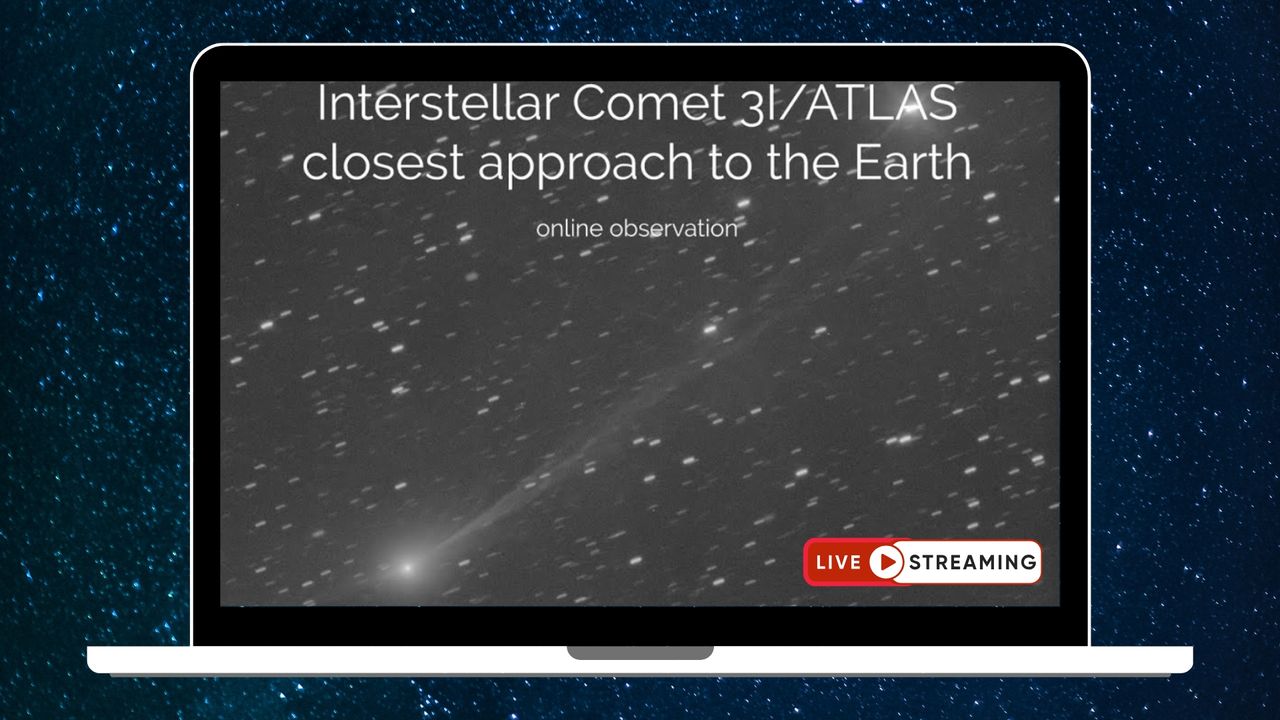
Comet 3I/ATLAS reaches its closest point to Earth tonight: How to see it in the sky and online
PositiveScience
Comet 3I/ATLAS is set to reach its closest point to Earth overnight from December 18 to 19, 2025, marking a significant event for astronomers and space enthusiasts. This interstellar comet, the third of its kind detected, offers a unique opportunity for observation as it swings by our planet.
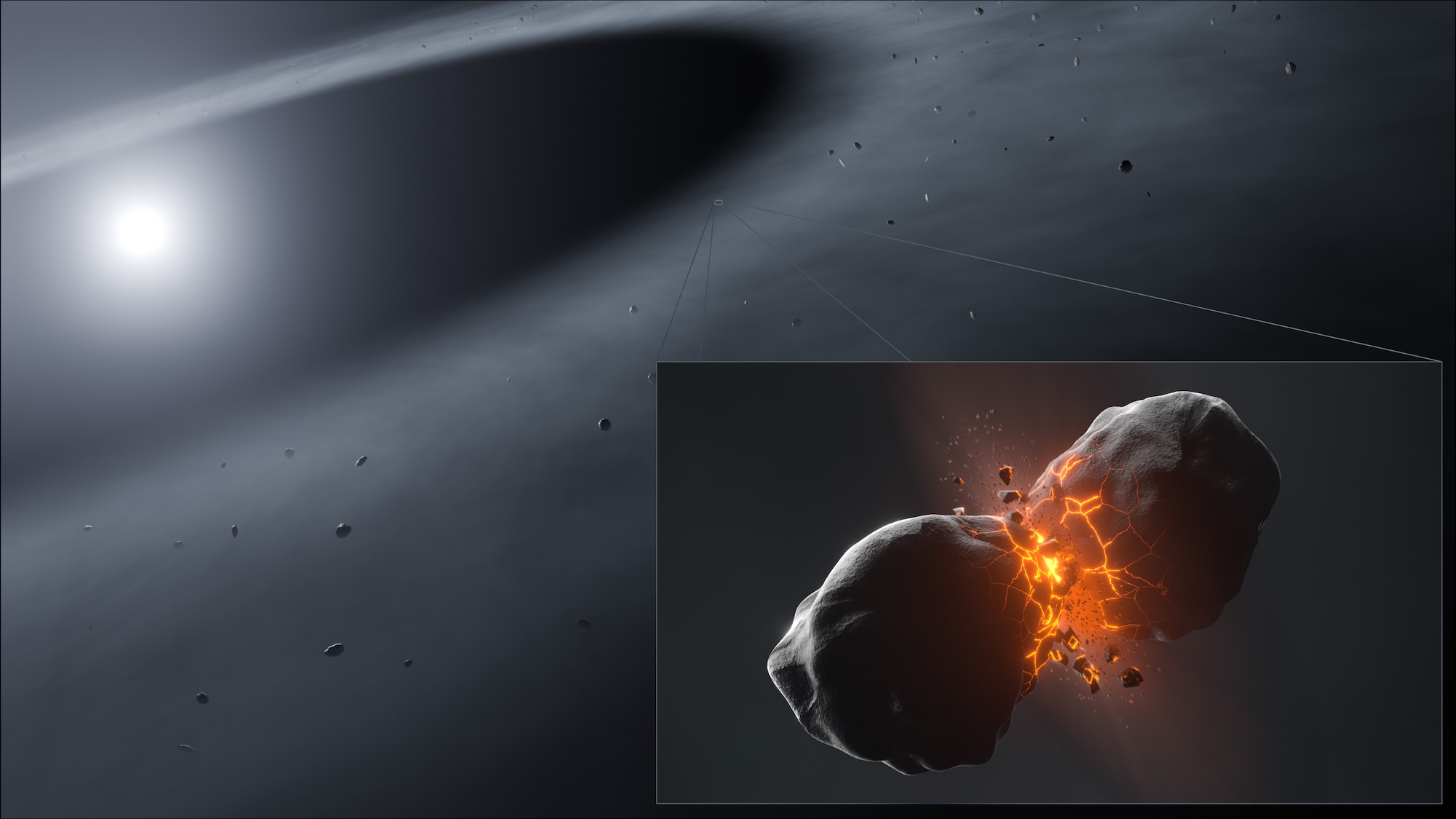
First-of-its-kind cosmic collision spotted 25 light-years from Earth
NeutralScience
Astronomers have detected a unique cosmic collision approximately 25 light-years from Earth, initially mistaken for a new exoplanet. This event marks a significant observation in the field of astronomy, highlighting the dynamic interactions occurring in space.
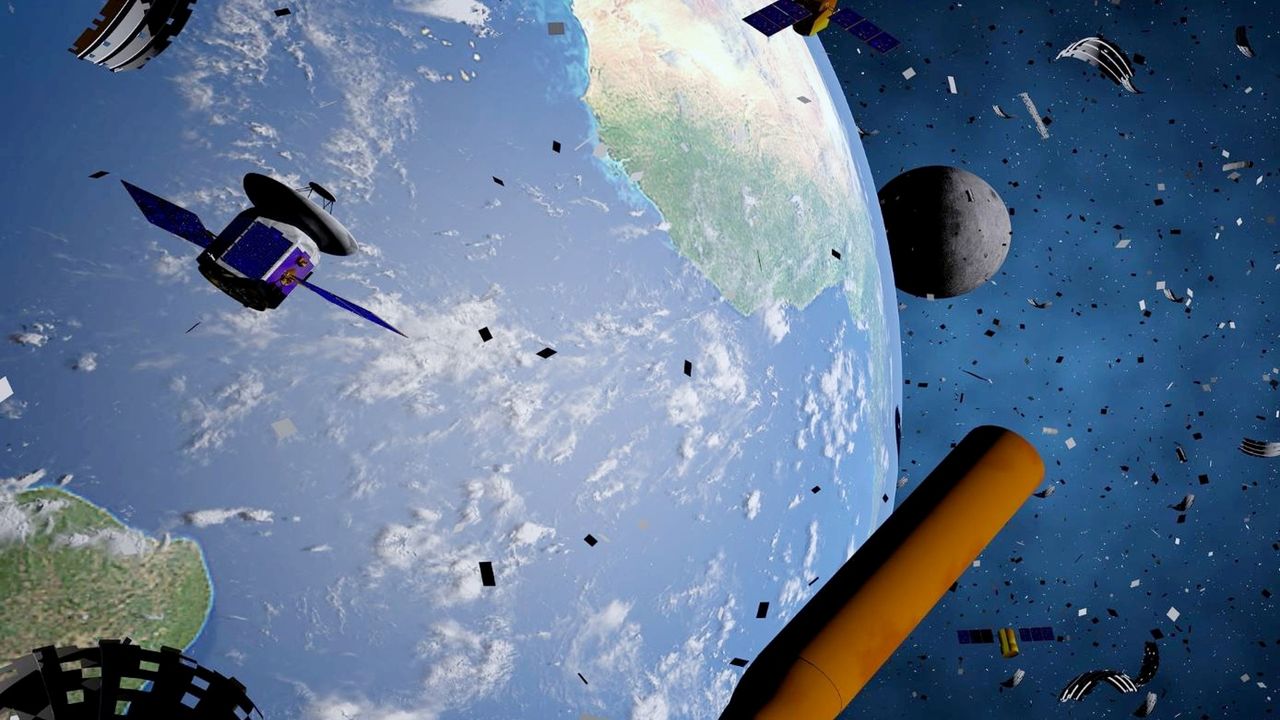
'Crash Clock' reveals how soon satellite collisions would occur after a severe solar storm — and it's pretty scary
NegativeScience
A recent analysis indicates that satellites could start colliding with each other or space debris within three days following a severe solar storm that impairs their maneuverability. This alarming prediction highlights the vulnerability of satellite systems to solar activity, which can disrupt their operational capabilities.
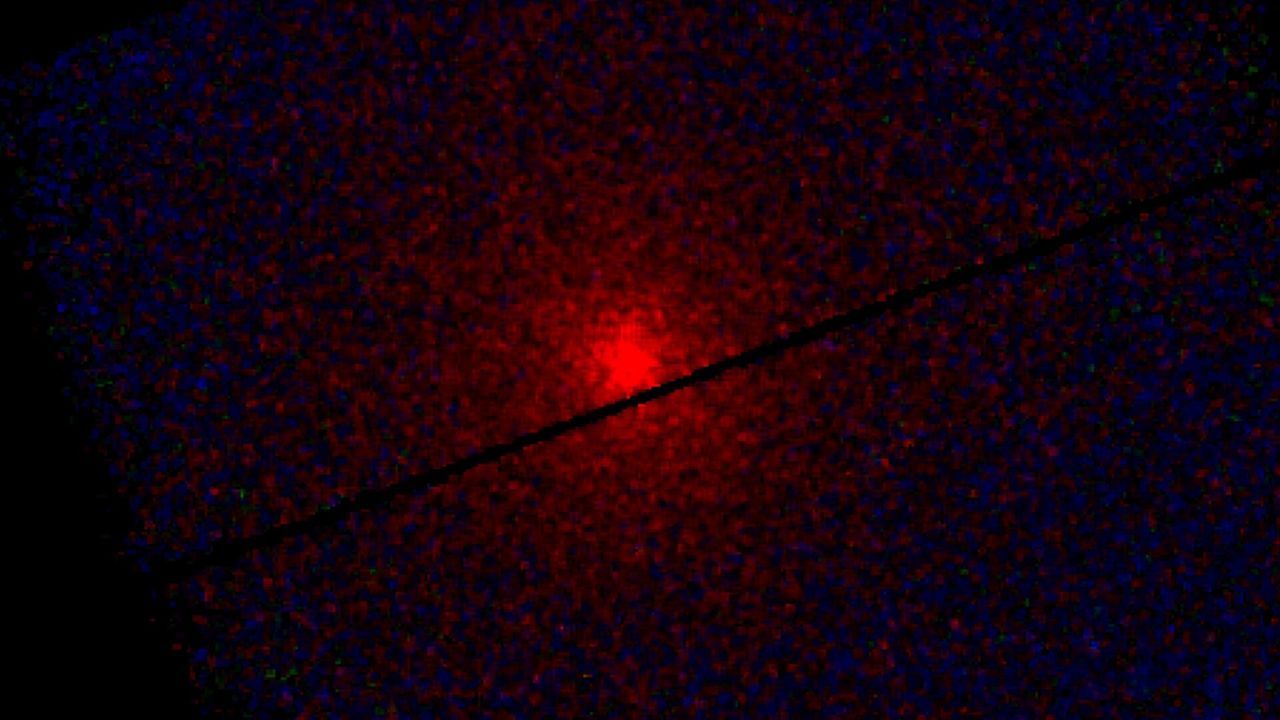
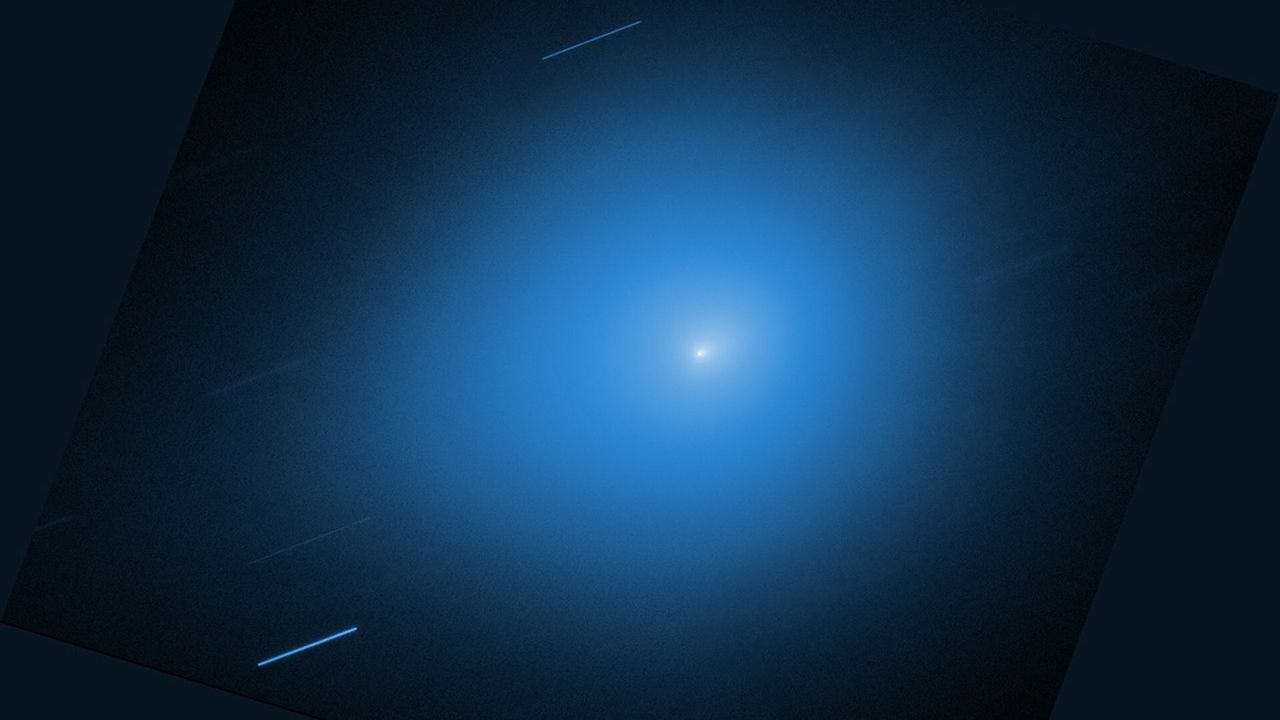
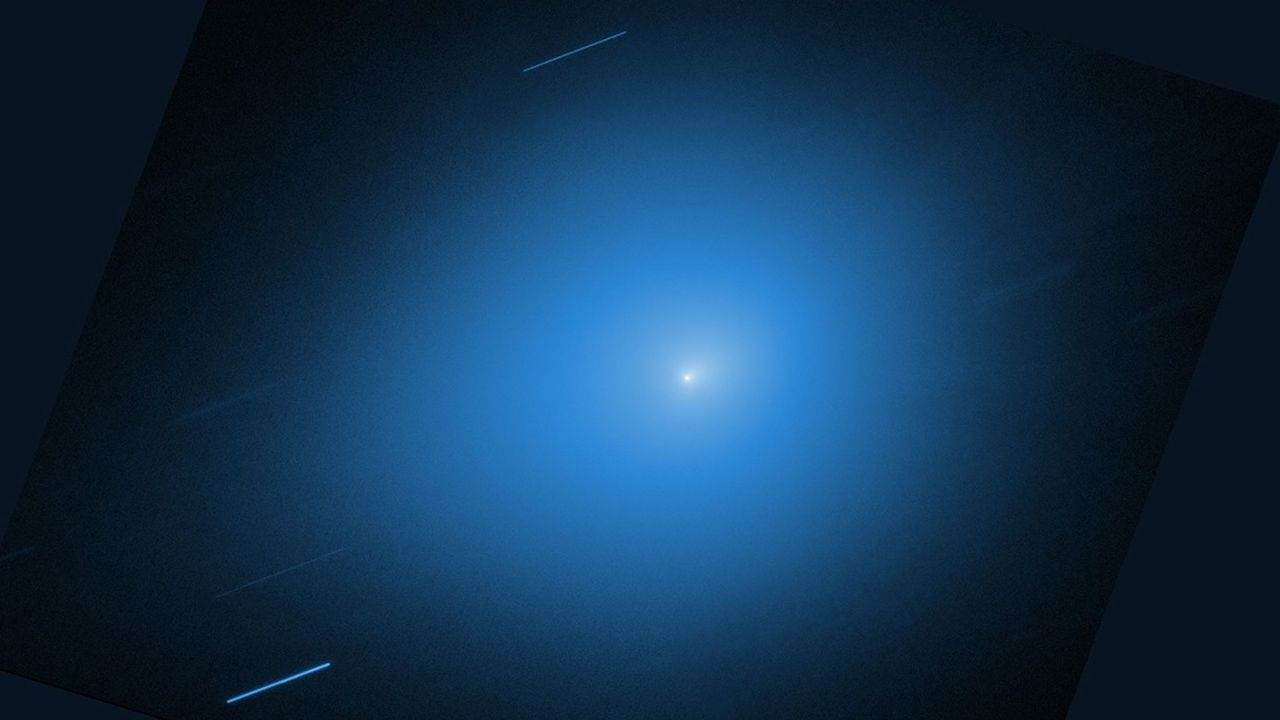
Scientists detect X-ray glow from interstellar comet 3I/ATLAS extending 250,000 miles into space
PositiveScience
Scientists have detected an X-ray glow from the interstellar comet 3I/ATLAS, which extends approximately 250,000 miles into space. This observation was made using two space telescopes, revealing how the comet's gases interact with solar particles as it traverses the inner solar system.
Night sky tonight: See the Orion Nebula shine after dark on Dec. 18
NeutralScience
The Orion Nebula will be prominently visible in the night sky on December 18, providing an excellent opportunity for stargazers to observe this celestial feature. The nebula, located in the Milky Way, is a region of star formation and is one of the brightest nebulae visible to the naked eye. Observers can expect to see not only the nebula but also various planets and stars, enhancing the viewing experience.
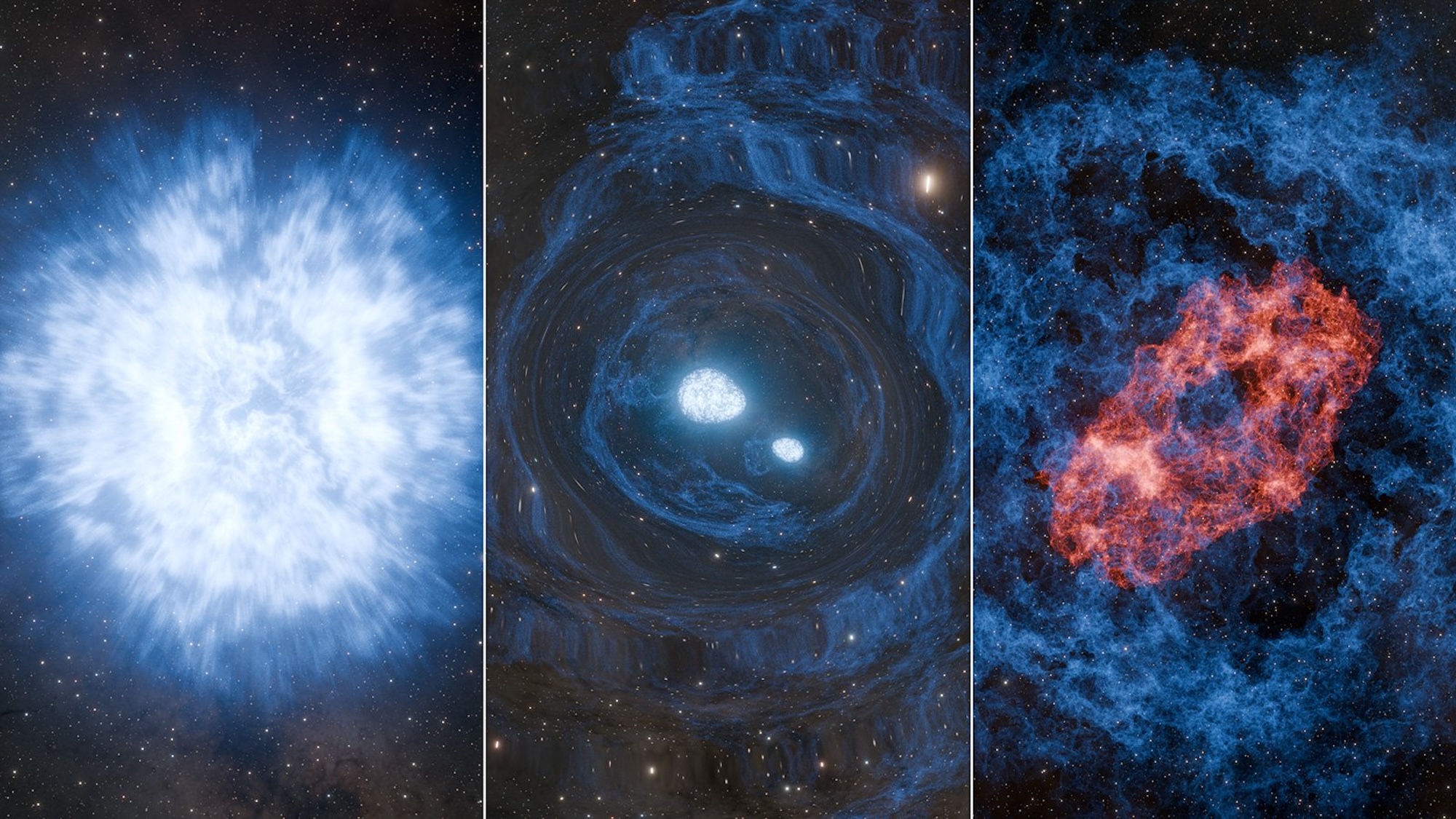
Two neutron stars may have formed the first known ‘superkilonova’
NeutralScience
Two neutron stars have been identified as the likely progenitors of the first known ‘superkilonova,’ an extraordinary cosmic explosion that occurred 1.3 billion light-years from Earth. This event marks a significant milestone in astrophysics, providing insights into the life cycles of neutron stars and their explosive interactions.
Watch interstellar comet 3I/ATLAS make its closest approach to Earth in free livestream tonight
NeutralScience
The interstellar comet 3I/ATLAS is set to make its closest approach to Earth tonight, with a free livestream scheduled to begin at 11 p.m. EST on December 18, 2025, weather permitting. This event marks a significant moment for astronomers and space enthusiasts alike as they prepare to observe the comet's features in detail.
Latest Comet 3I/ATLAS news: One day until the comet is closest to Earth!
NeutralScience
The interstellar comet 3I/ATLAS is set to make its closest approach to Earth on December 19, 2025, marking a significant event for astronomers and space enthusiasts alike. This flyby follows its recent close encounter with Mars, where NASA captured new images showcasing the comet's features and trajectory.

Ready to build your own newsroom?

Subscribe to unlock a personalised feed, podcasts, newsletters, and notifications tailored to the topics you actually care about