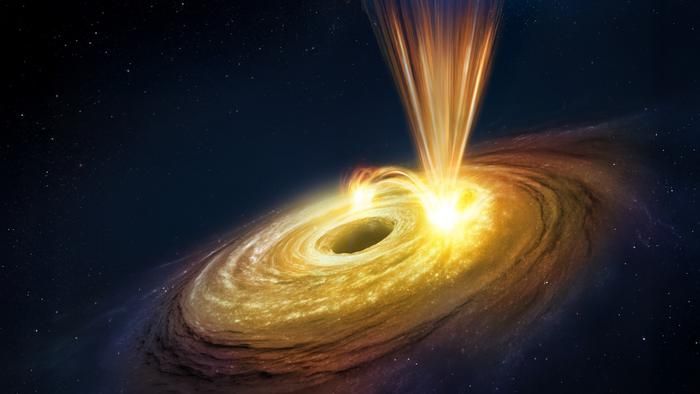
'A scale almost too big to imagine': Scientists spot monster black hole roaring with winds at more than 130 million mph

Live ScienceFriday, December 12, 2025 at 11:00:00 AM
PositiveScience
'A scale almost too big to imagine': Scientists spot monster black hole roaring with winds at more than 130 million mph
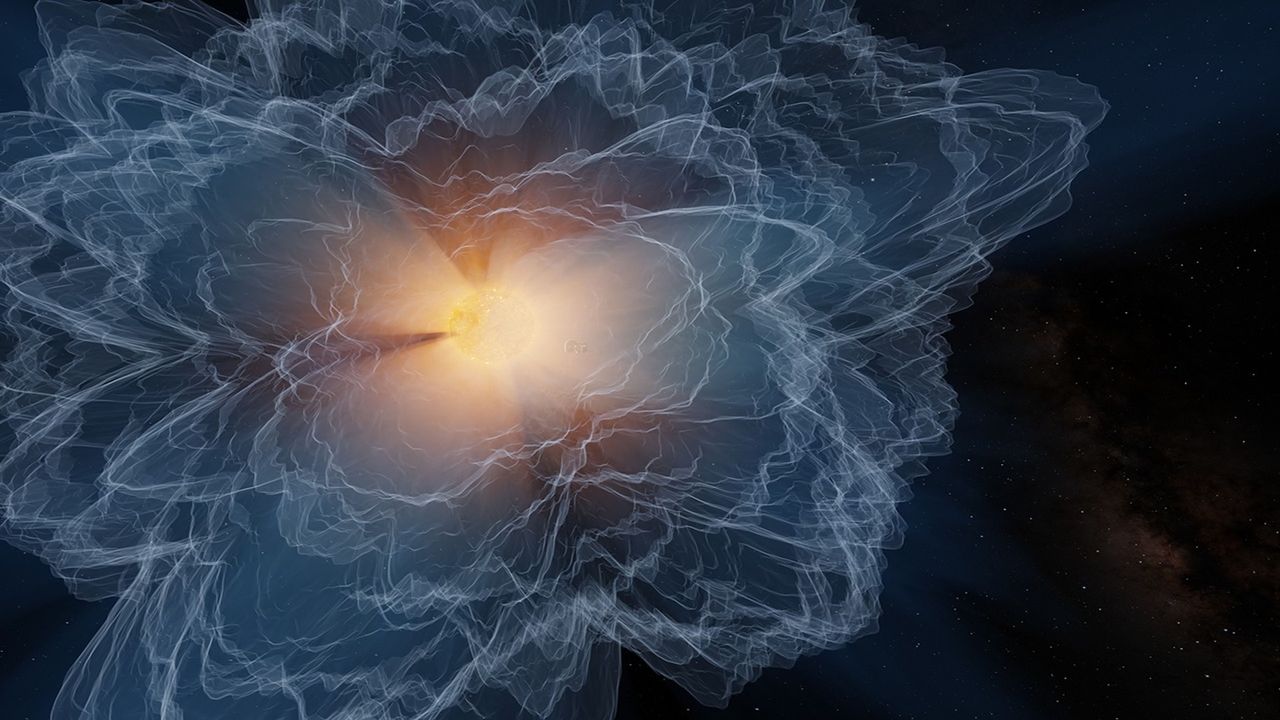
  • Scientists have detected a supermassive black hole with a mass 30 million times that of the sun, producing winds at speeds exceeding 130 million miles per hour, approximately one-fifth the speed of light. This discovery highlights the extraordinary dynamics of black holes and their powerful influence on surrounding space.
  • The observation of such immense winds from a black hole is significant as it enhances understanding of black hole behavior and their interactions with nearby matter, potentially reshaping theories about cosmic evolution and the lifecycle of galaxies.
  • This finding is part of a broader trend in astrophysics, where researchers are increasingly uncovering the extreme phenomena associated with black holes, including record-breaking flares and unexpected mergers, which challenge existing theories and expand the boundaries of current astronomical knowledge.
— via World Pulse Now AI Editorial System
Was this article worth reading? Share it

Recommended apps based on your readingExplore all apps
Continue Readings
Will 2026 bring strong auroras? What the sun's recent activity tells us
NeutralScience
In 2025, solar activity remained high, leading to increased visibility of the northern lights across various regions. As the sun continues its cycle, experts are analyzing how this activity compares to previous years and what it may mean for 2026, particularly regarding the potential for stronger auroras.
NASA's Parker Solar Probe mapped an unseen part of the sun at its most active moment
PositiveScience
NASA's Parker Solar Probe has successfully mapped an unseen part of the sun's atmosphere during its most active phase, marking a significant achievement in solar research. This data provides astronomers with unprecedented insights into solar dynamics and the behavior of solar material.
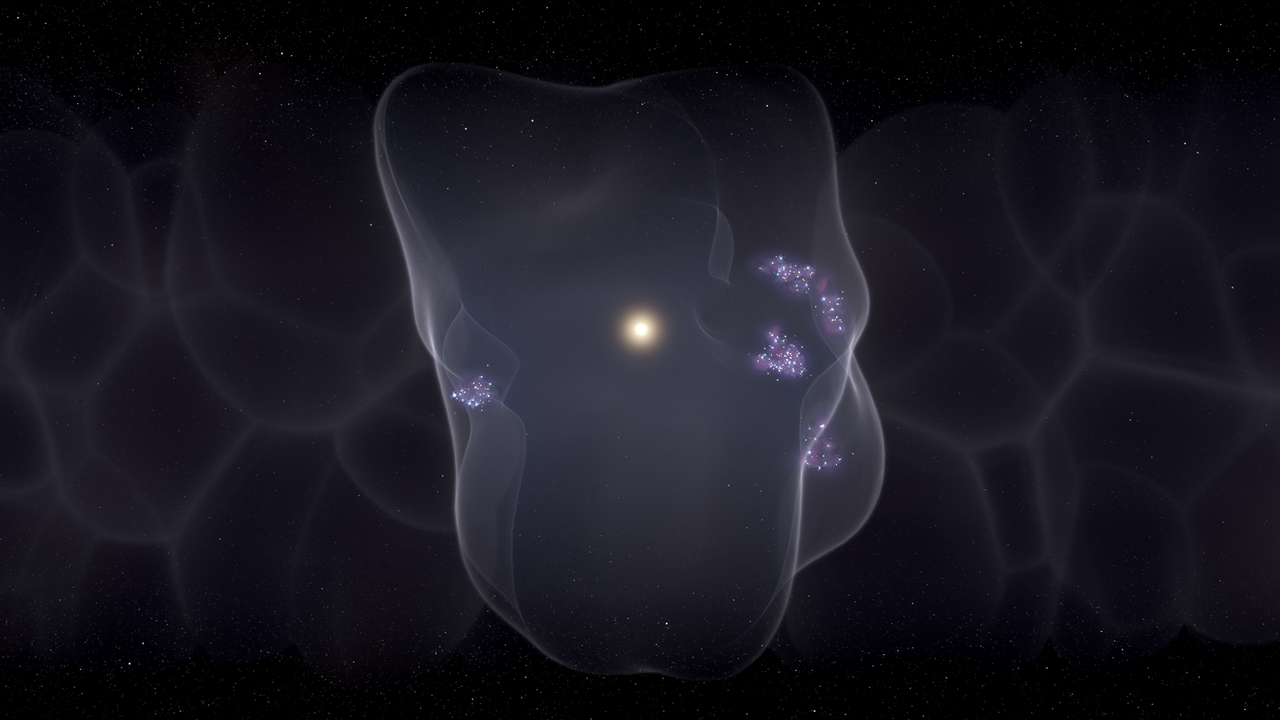
Mysterious, irradiated 'scar' in our galaxy points to 2 stars that almost hit the sun
NeutralScience
Astronomers have traced a mysterious 'scar' of ionized gas surrounding the solar system to two stars that had a close flyby with the sun millions of years ago. This discovery sheds light on the dynamic interactions within our galaxy and the historical events that have shaped its structure.
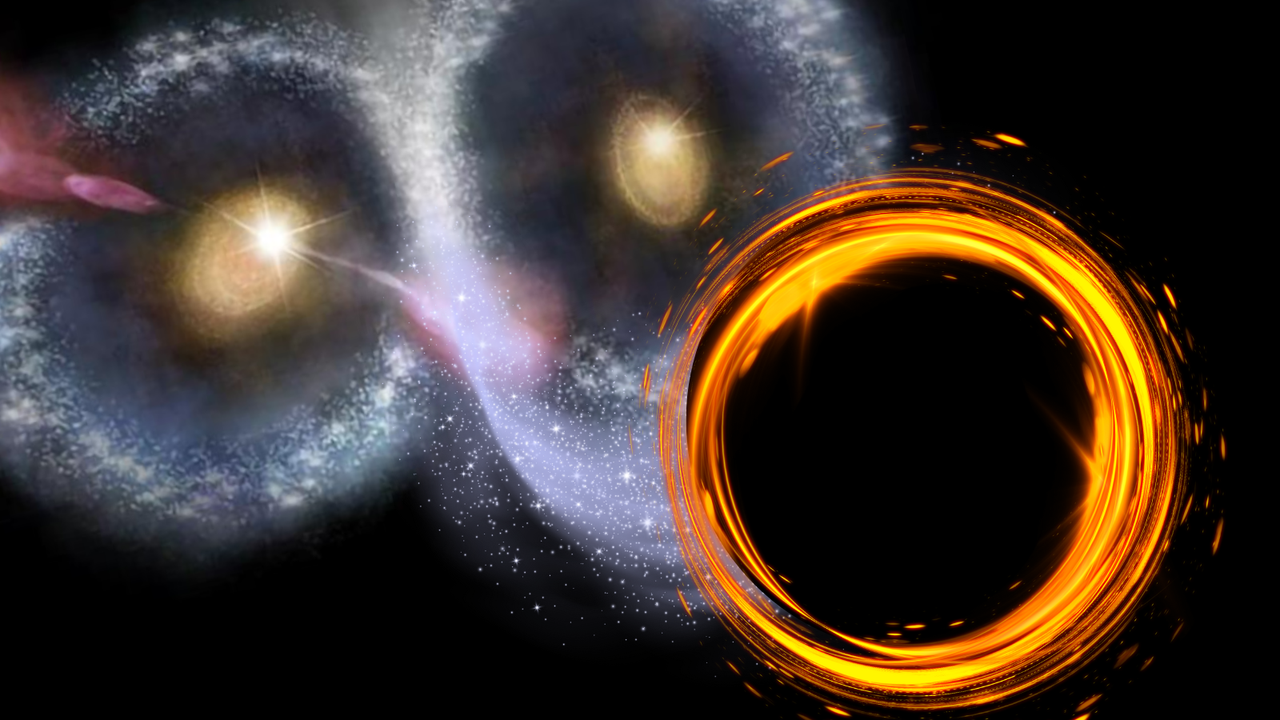
James Webb Space Telescope confirms 1st 'runaway' supermassive black hole rocketing through 'Cosmic Owl' galaxies at 2.2 million mph: 'It boggles the mind!'
PositiveScience
The James Webb Space Telescope has confirmed the existence of the first 'runaway' supermassive black hole, traveling at an astonishing speed of 2.2 million miles per hour through the Cosmic Owl galaxies. This discovery highlights the immense forces required to displace such a massive entity from its original location.
New Views of Saturn’s Moon Titan and Jupiter’s Moon Europa Complicate Ocean Worlds Theory
NeutralScience
Recent observations of Saturn’s moon Titan and Jupiter’s moon Europa have introduced complexities to the theory of ocean worlds, which posits that these celestial bodies may harbor subsurface oceans capable of supporting life. Scientists are now reevaluating the conditions and characteristics of these moons based on new data.
Snakes' mind-bending 'heat vision' inspires scientists to build a 4K imaging system that could one day fit into your smartphone
PositiveScience
Scientists have developed a new 4K imaging system inspired by the heat vision of snakes, enabling smartphones to detect infrared radiation. This advancement allows for a significant expansion of the visual capabilities of mobile devices, moving beyond the limitations of the human eye.
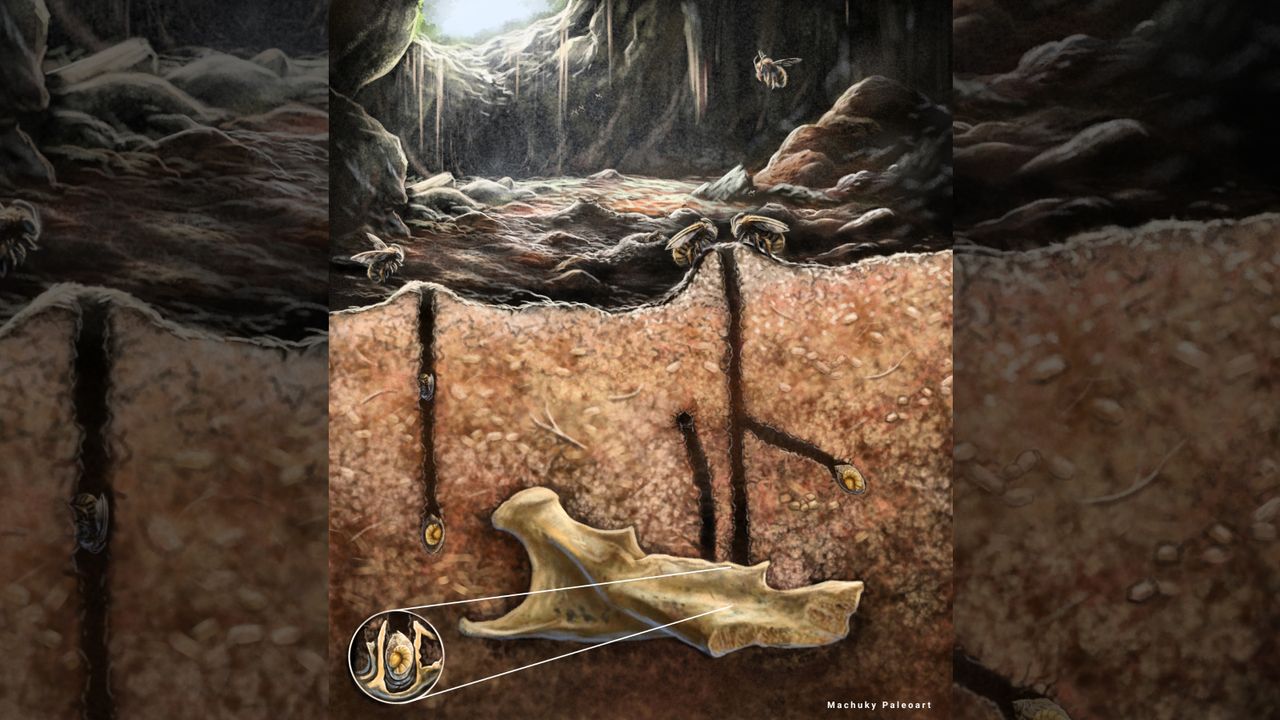
Ancient Bees Burrowed Inside Bones, Fossils Reveal
PositiveScience
Scientists have made a groundbreaking discovery revealing that ancient bees utilized the bones of now-extinct species as nesting sites thousands of years ago. This finding highlights a unique interaction between bees and their environment, showcasing how these insects adapted to available resources for reproduction.
Ancient burrowing bees made their nests in the tooth cavities and vertebrae of dead rodents, scientists discover
NeutralScience
Scientists have discovered fossilized nests of ancient burrowing bees inside the tooth cavities and vertebrae of dead rodents in a cave on the Caribbean island of Hispaniola. This finding indicates that these bees utilized the bones of now-extinct species as nesting sites thousands of years ago, showcasing a unique interaction between these insects and their environment.

Ready to build your own newsroom?

Subscribe to unlock a personalised feed, podcasts, newsletters, and notifications tailored to the topics you actually care about