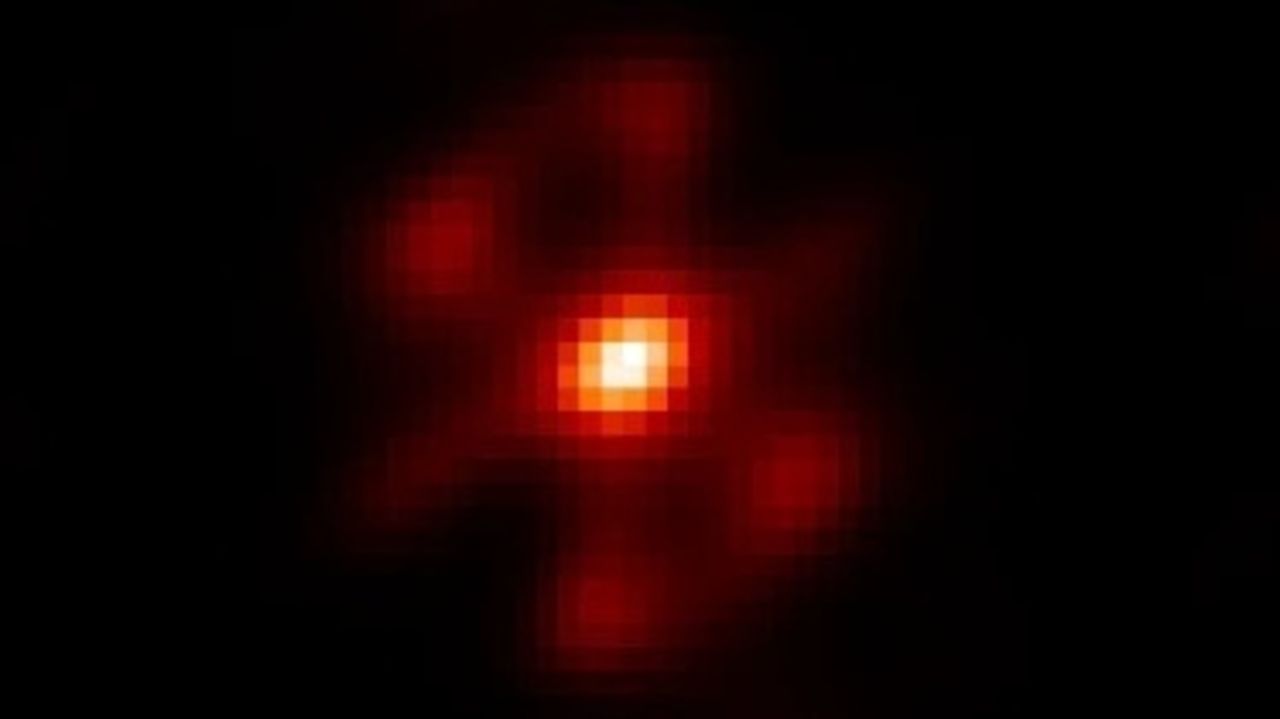
NASA’s JWST Spots Most Ancient Supernova Ever Observed

Scientific AmericanTuesday, December 9, 2025 at 6:00:00 PM
PositiveScience
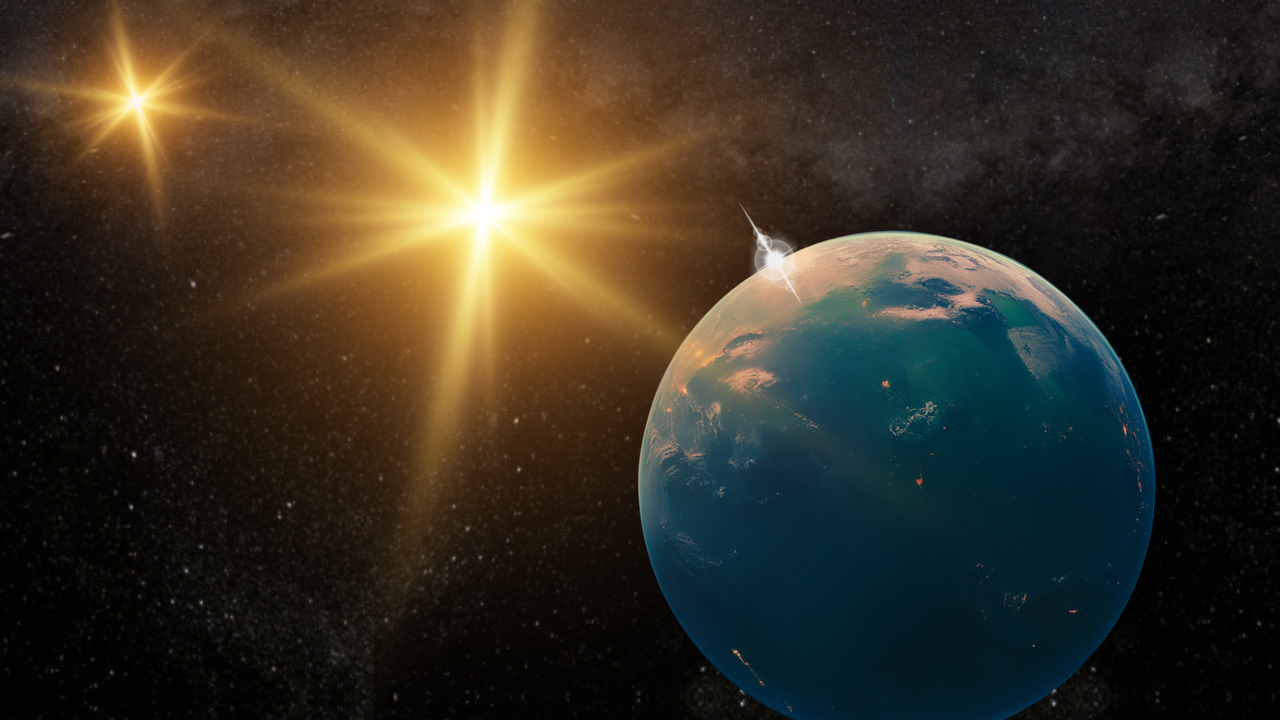
  • Astronomers using NASA's James Webb Space Telescope (JWST) have identified the most ancient supernova ever observed, dating back to a time when the universe was less than a billion years old. This discovery marks a significant milestone in understanding the early universe and the formation of celestial bodies.
  • The detection of this ancient supernova is crucial for NASA and the astronomical community as it provides insights into the conditions of the early universe, potentially reshaping theories about star formation and the evolution of galaxies shortly after the Big Bang.
  • This finding aligns with ongoing efforts to explore the universe's infancy, including the potential discovery of the first stars and complex celestial systems, highlighting the JWST's role in advancing our understanding of cosmic history and the formation of structures in the universe.
— via World Pulse Now AI Editorial System

Was this article worth reading? Share it

Continue Readings
NASA's Chandra telescope uses 'X-arithmetic' to reveal how black holes shape galaxy clusters (images)
PositiveScience
NASA's Chandra telescope has employed a novel technique known as 'X-arithmetic' to uncover how black holes influence the formation and evolution of galaxy clusters. This innovative approach allows scientists to analyze complex data and gain insights into the gravitational effects of black holes on their surrounding environments.
Astronomers capture close-up images of nova explosions on 2 dead stars in unprecedented detail
NeutralScience
Astronomers have successfully captured close-up images of nova explosions occurring on two dead stars, specifically white dwarfs, which are known to erupt when they siphon excessive matter from a nearby red giant companion. This unprecedented detail enhances the understanding of these explosive phenomena in stellar evolution.
Astronomers discover images of rare Tatooine-like exoplanet with a strange 300-year orbit: 'Exactly how it works is still uncertain'
NeutralScience
Astronomers have discovered images of a rare Tatooine-like exoplanet that has a peculiar 300-year orbit, formed approximately 50 million years after the extinction of the dinosaurs, making it relatively young in cosmic terms. This discovery raises questions about the mechanisms governing such unusual orbital patterns.
NASA astronaut comes home after circling Earth 3,920 times
PositiveScience
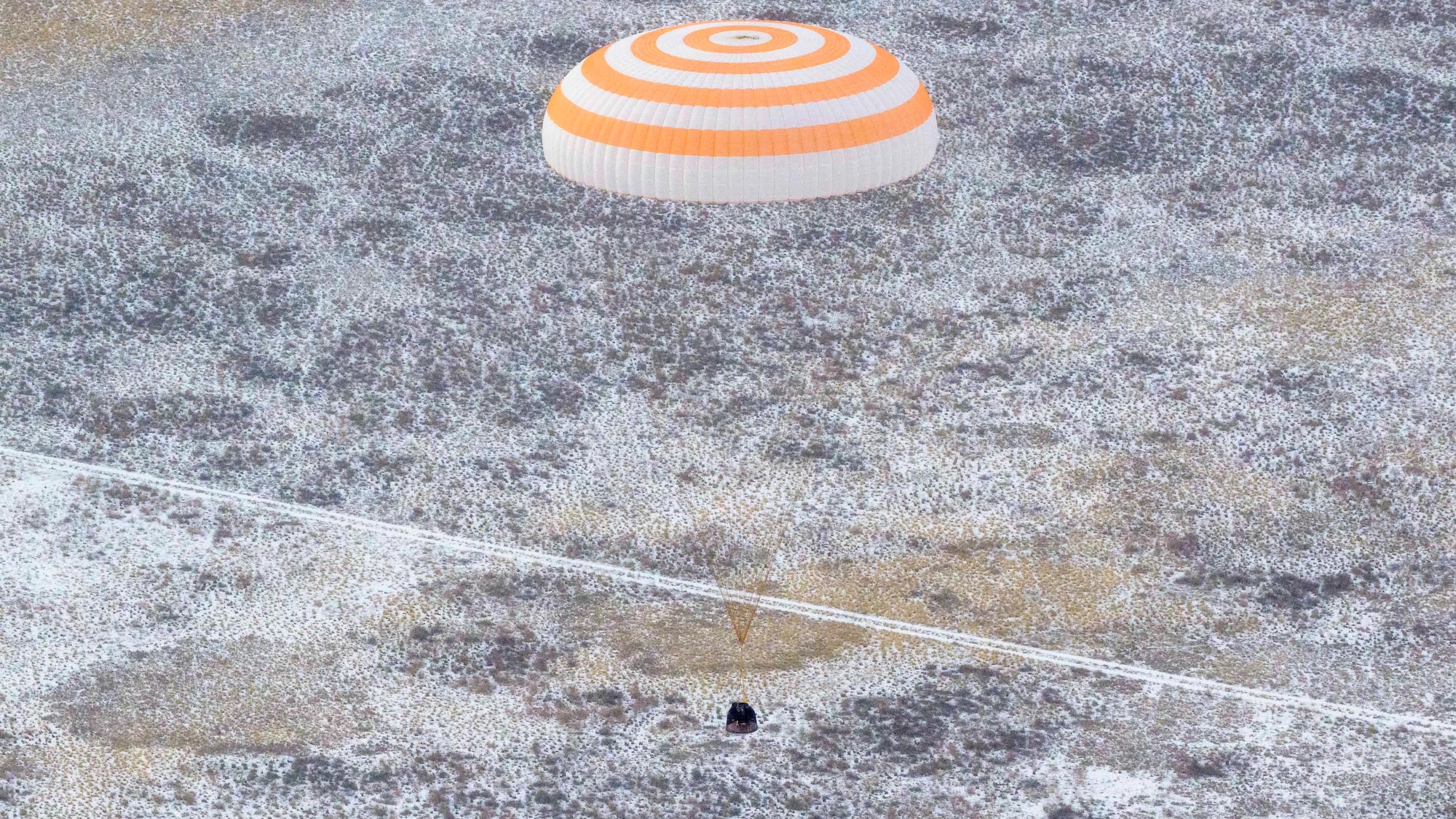
NASA astronaut Jonny Kim has returned to Earth after an extensive eight-month mission aboard the International Space Station (ISS), during which he completed 3,920 orbits around the planet. This mission concluded on December 9, 2025, marking a significant achievement in his career and contributions to space exploration.
NASA's loses contact with MAVEN Mars orbiter on the far side of the Red Planet
NegativeScience
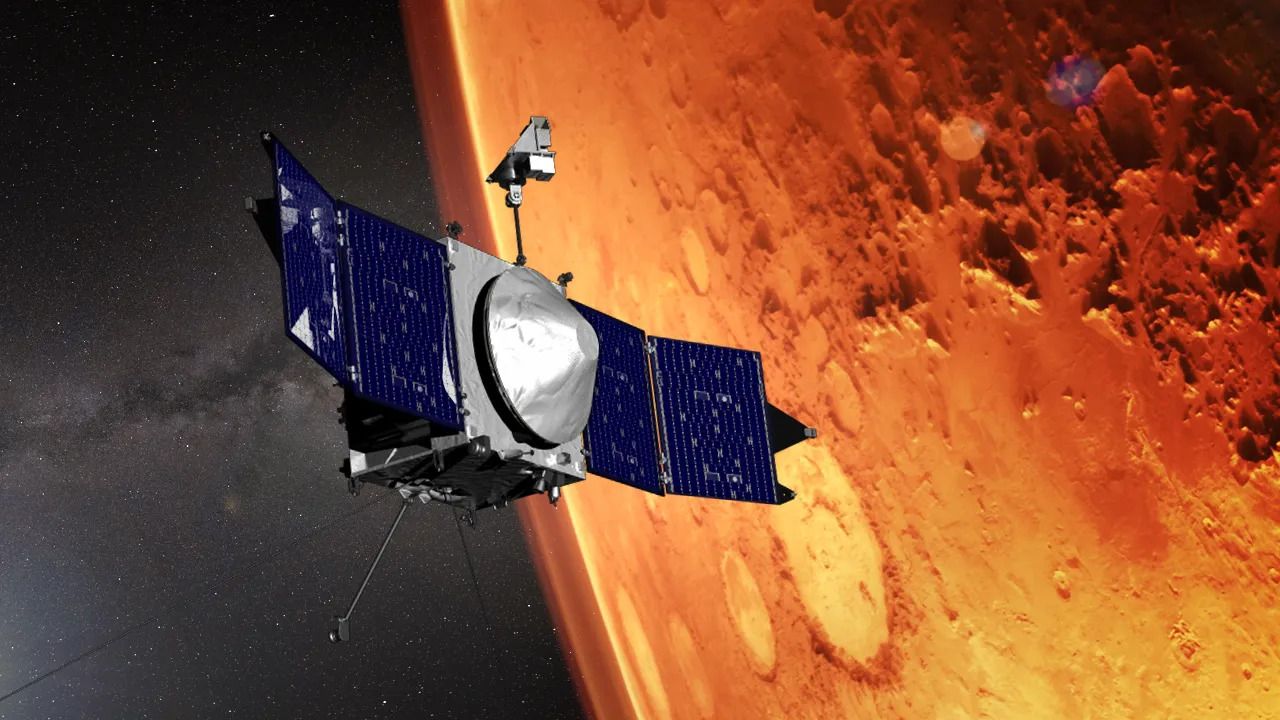
NASA has lost contact with its MAVEN Mars orbiter while it was on the far side of the Red Planet. The communication link was abruptly severed, raising concerns about the status of the spacecraft, which had been operational for over a decade prior to this incident.
NASA Loses Signal from Critical Mars Orbiter
NegativeScience
NASA's MAVEN spacecraft failed to establish communication as expected on December 6, raising concerns about the status of this critical Mars orbiter. The loss of signal could hinder ongoing research into the Martian atmosphere and climate.
Hear dust devils on Mars crackle with electricity in new NASA Perseverance rover video
PositiveScience
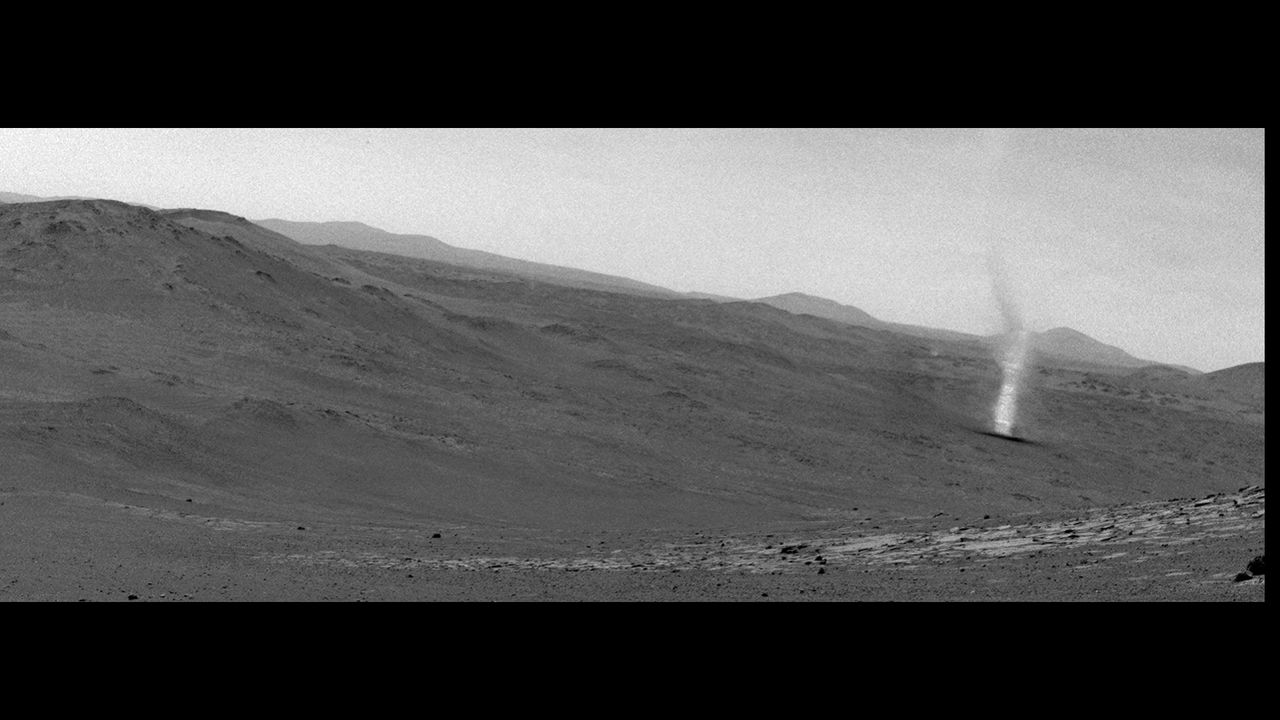
NASA's Perseverance rover has captured audio evidence of lightning-like discharges in the thin atmosphere of Mars, marking a significant advancement in understanding the planet's atmospheric phenomena. This discovery allows scientists to hear dust devils crackling with electricity, providing new insights into Martian weather patterns.
Can NASA Bring Mars Rocks Back to Earth?
NeutralScience
NASA's Perseverance rover has successfully collected significant samples from Mars, yet the mission to return these samples to Earth is encountering substantial obstacles that could delay or complicate the process.