Don't miss the last full moon of 2025 as the 'Cold Supermoon' takes to the autumn sky on Dec. 4

Space.comThursday, December 4, 2025 at 11:00:00 AM
PositiveScience
Don't miss the last full moon of 2025 as the 'Cold Supermoon' takes to the autumn sky on Dec. 4
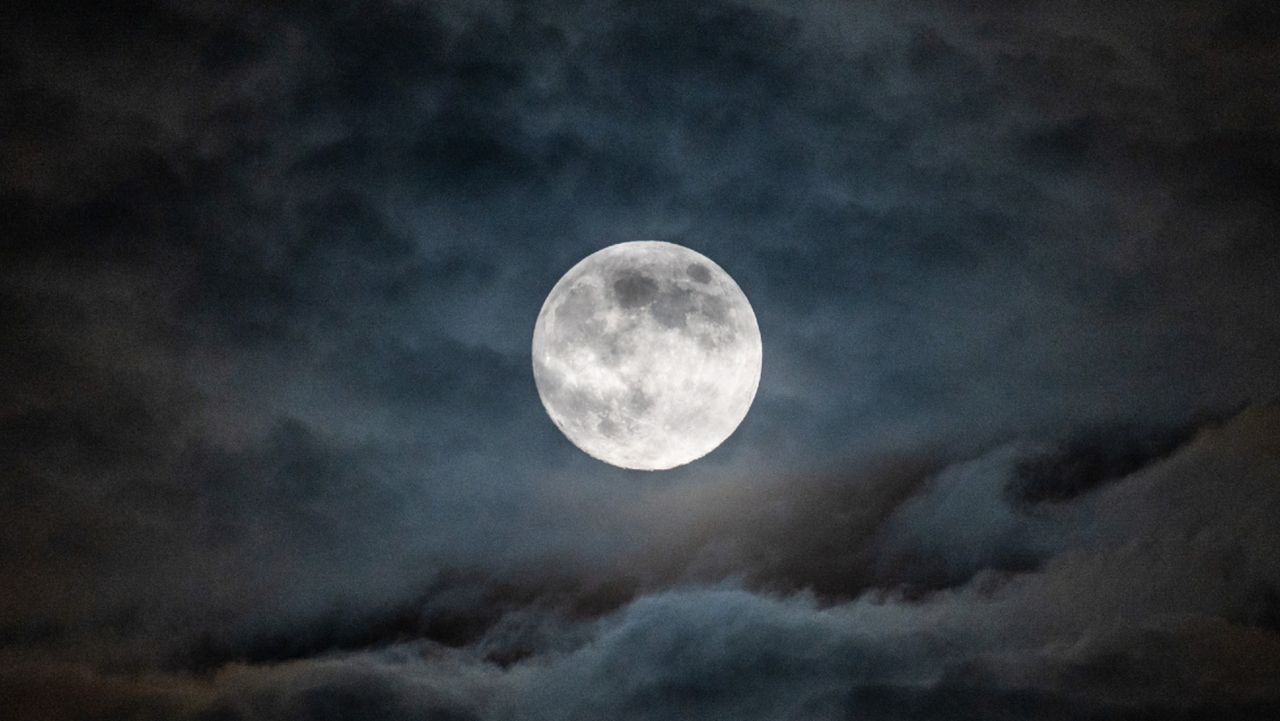
  • The last full moon of 2025, known as the 'Cold Supermoon', is set to illuminate the autumn sky on December 4, offering a spectacular view for stargazers. This celestial event is characterized by the moon's proximity to Earth, making it appear larger and brighter than usual. Observers are encouraged to witness this stunning phenomenon, which is a highlight of the astronomical calendar.
  • The 'Cold Supermoon' holds significance as it marks the final full moon of the year, providing an opportunity for enthusiasts and casual observers alike to engage with the night sky. This event not only captivates the public's interest in astronomy but also serves as a reminder of the natural wonders that can be observed from Earth.
  • The upcoming 'Cold Supermoon' follows a series of notable lunar events, including a half-lit moon that shone alongside Saturn on November 27. Such occurrences highlight the dynamic nature of our celestial surroundings and the ongoing fascination with lunar phenomena. As the moon reaches its farthest distance from Earth until 2043, these events underscore the importance of astronomical observations in understanding our universe.
— via World Pulse Now AI Editorial System

Was this article worth reading? Share it

Recommended apps based on your readingExplore all apps
Continue Readings
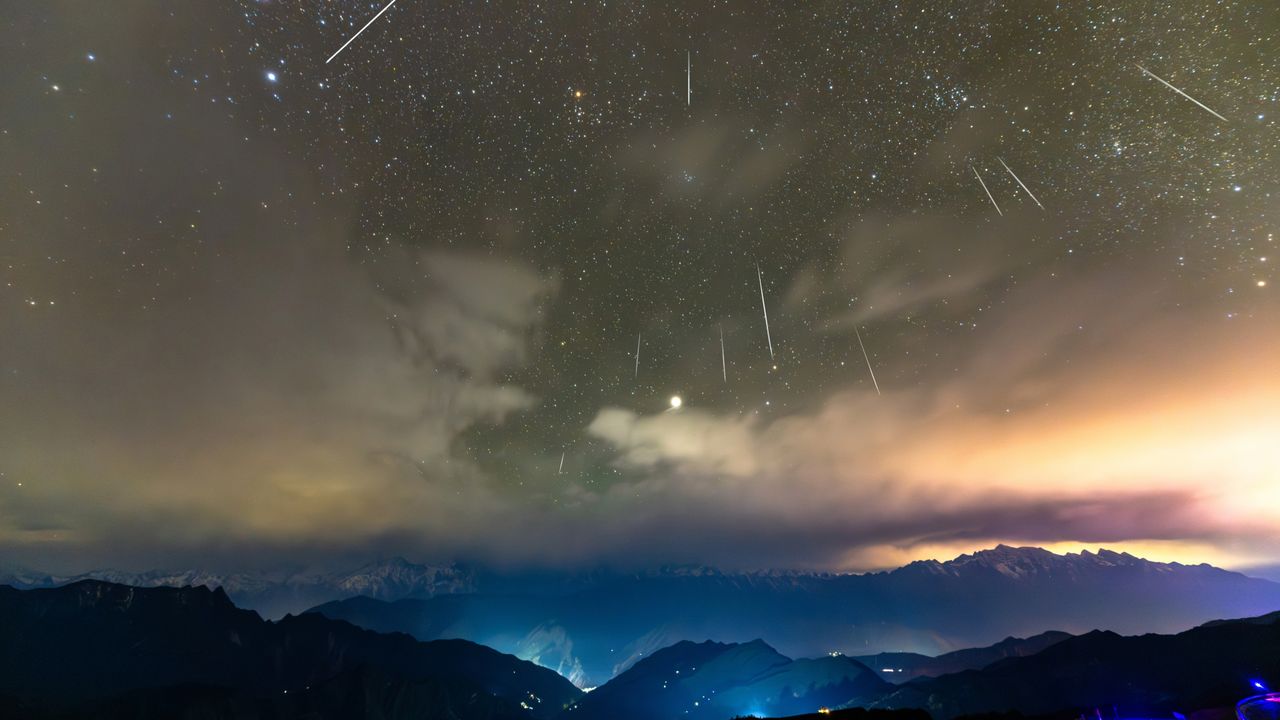
Geminid shooting stars: One of 2025's most exciting meteor showers begins tonight
PositiveScience
The Geminid meteor shower, known for its bright and colorful shooting stars, is currently active, having begun on December 4, and is expected to reach its peak on the night of December 13-14. This annual celestial event is one of the highlights of the meteor shower calendar, attracting skywatchers worldwide.
See the metal guts of a satellite in this wild X-ray view | Space photo of the day for Dec. 4, 2025
NeutralScience
The EURECA spacecraft, which flew aboard the space shuttle Atlantis in 1992, has been highlighted in a recent X-ray view that reveals its intricate metal structure. This image, shared on December 4, 2025, showcases the technological advancements in imaging and analysis of space equipment.
A "Cold Supermoon" rises this week: Watch it take flight online with these free livestreams (video)
NeutralScience
The final full moon of 2025, known as the 'Cold Supermoon', is set to rise on December 5. This celestial event is notable for its occurrence during winter, marking a significant moment for stargazers who can observe it online through various free livestreams.
Next Blue Origin tourist launch will fly wheelchair user to space for 1st time
PositiveScience
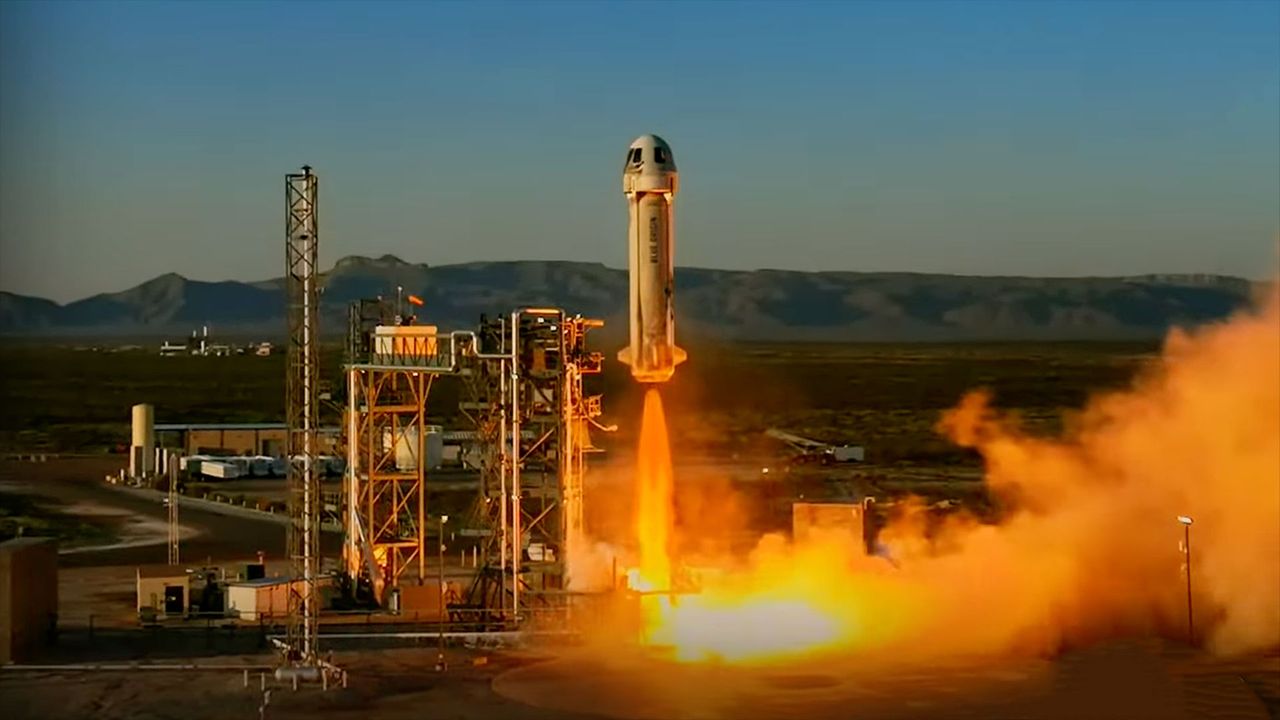
Blue Origin's upcoming space tourist launch will mark a historic milestone as it will send a wheelchair user to space for the first time, showcasing the company's commitment to inclusivity in space travel.
Struck by a cosmic ray: Galactic particles may have forced a passenger jet to make an emergency landing
NegativeScience
A passenger jet experienced a sudden drop in altitude, likely caused by a cosmic ray from a distant supernova explosion, necessitating an emergency landing in late October. This incident highlights the potential impact of galactic particles on aviation safety.
Large Magellanic Cloud bursts with baby stars | Space photo of the day for Dec. 3, 2025
PositiveScience
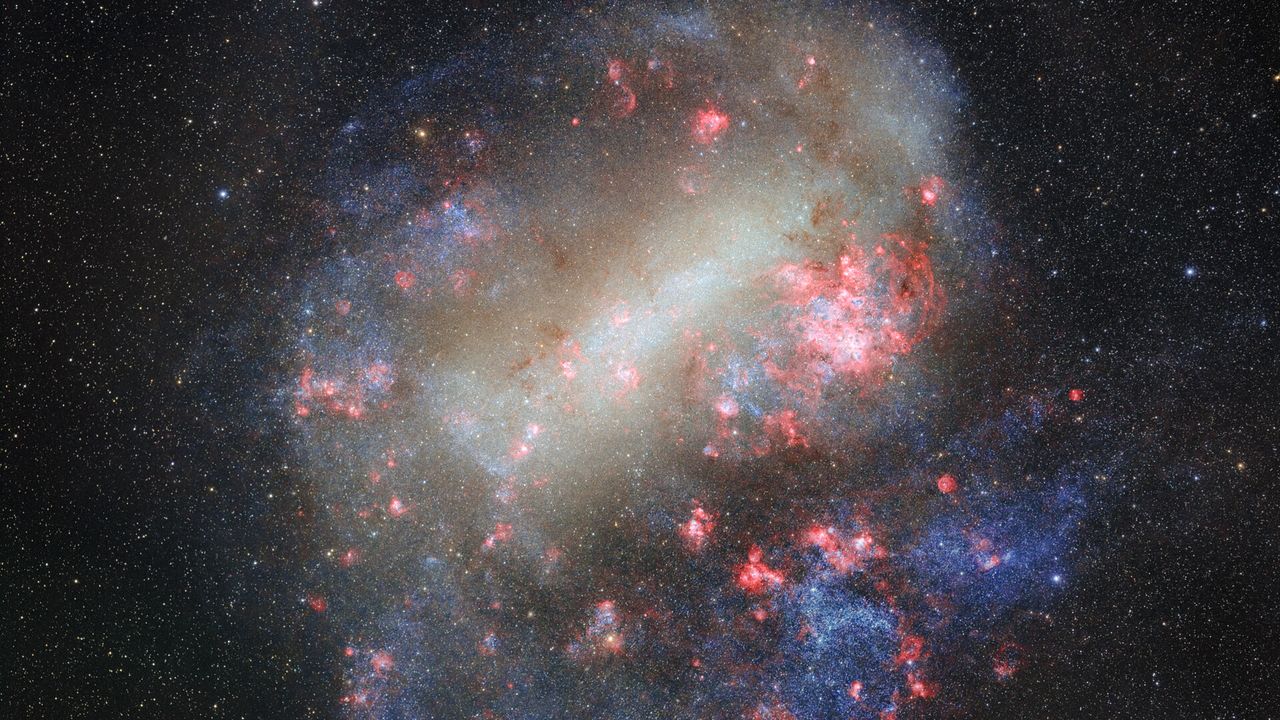
The Large Magellanic Cloud has been observed bursting with new stars, captured in a stunning image taken from Cerro Pachón on December 3, 2025. The high-altitude location and clear dark skies significantly enhance the visibility and detail of this astronomical phenomenon.
Northern lights may be visible in 15 states tonight
PositiveScience
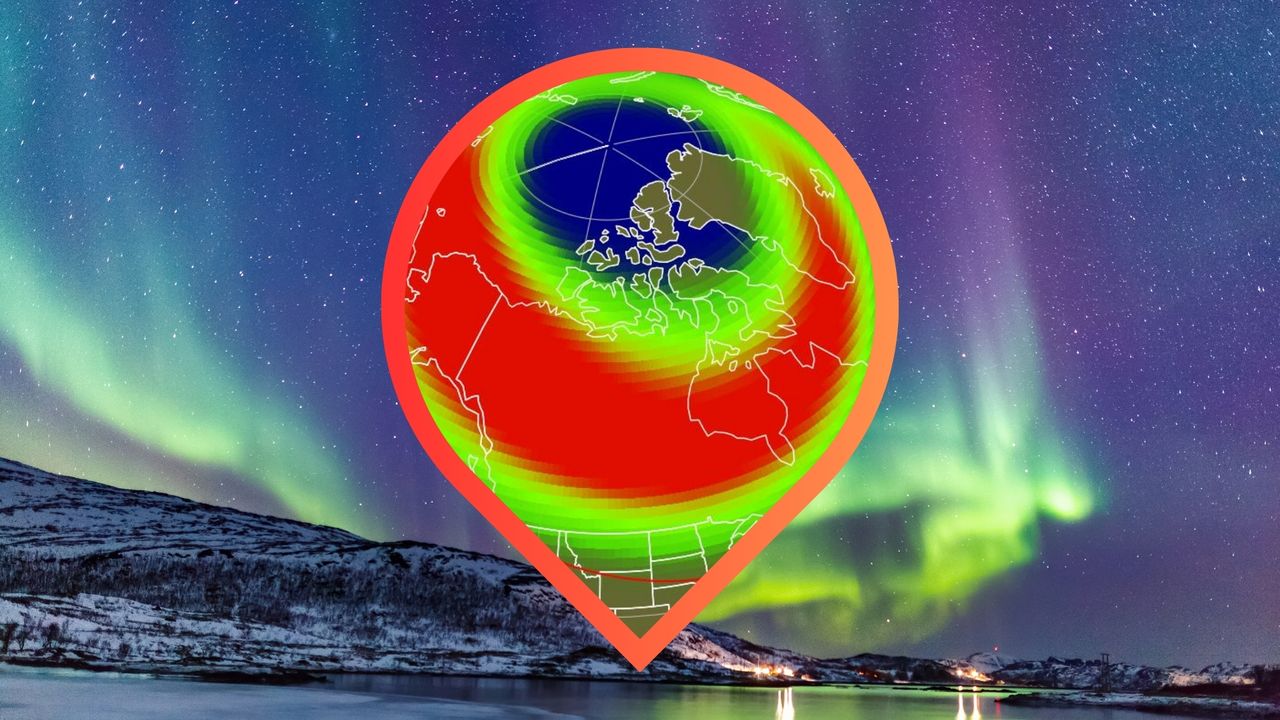
Northern lights are expected to be visible across 15 states, from Alaska to New York, due to a rapid solar wind and an incoming coronal mass ejection impacting Earth's magnetic field. This phenomenon creates ideal conditions for auroras, enhancing their visibility further south than usual.
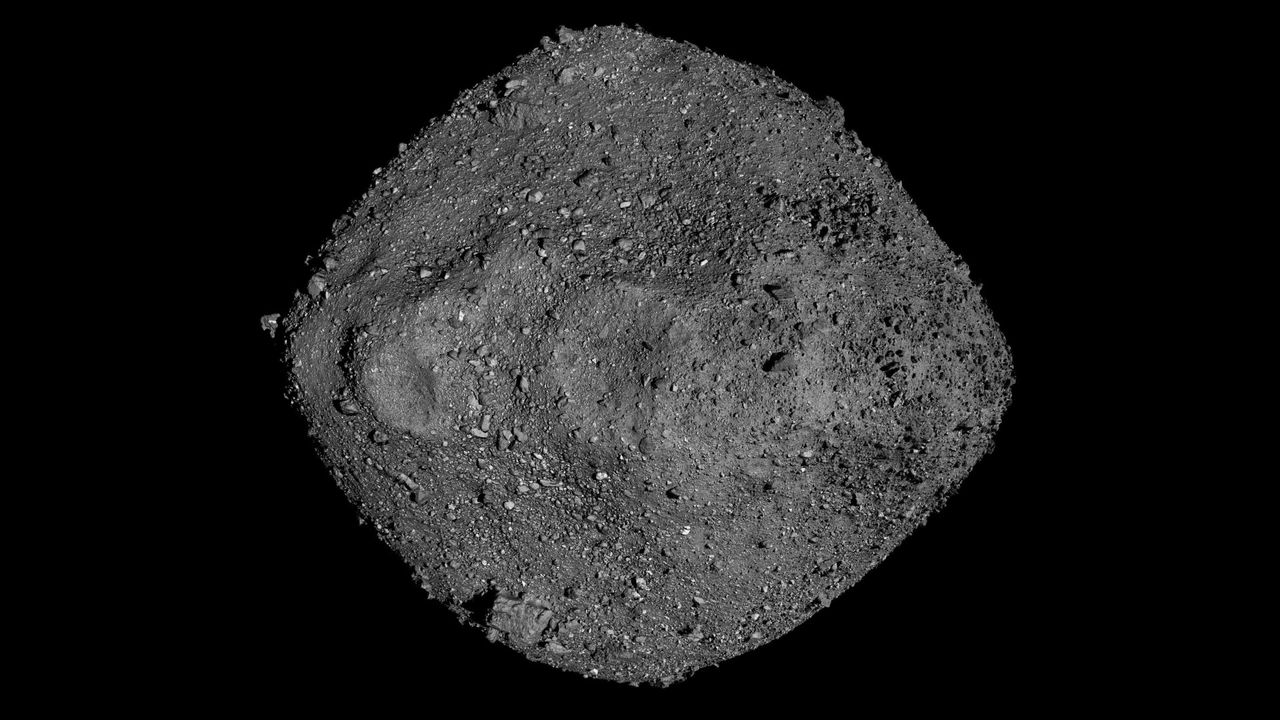
NASA discovers 'space gum' and sugars 'crucial to life' in asteroid Bennu samples brought to Earth (video)
PositiveScience
NASA has announced the discovery of life-friendly sugars and a peculiar substance referred to as 'space gum' in samples collected from the asteroid Bennu. These findings, which also include ancient stardust, were brought back to Earth for analysis, highlighting the potential for organic compounds in space environments.