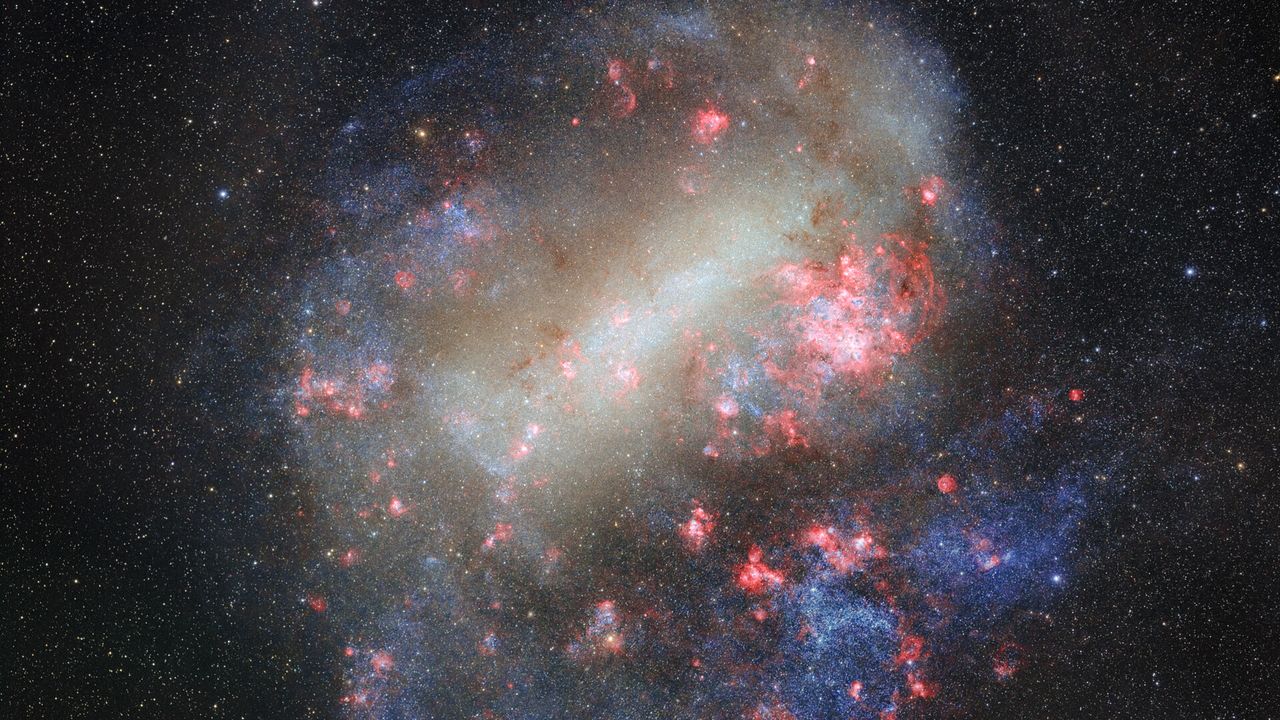
Large Magellanic Cloud bursts with baby stars | Space photo of the day for Dec. 3, 2025

Space.comWednesday, December 3, 2025 at 2:00:00 PM
PositiveScience
Large Magellanic Cloud bursts with baby stars | Space photo of the day for Dec. 3, 2025
  • The Large Magellanic Cloud has been observed bursting with new stars, captured in a stunning image taken from Cerro Pachón on December 3, 2025. The high-altitude location and clear dark skies significantly enhance the visibility and detail of this astronomical phenomenon.
  • This observation is crucial as it highlights the ongoing processes of star formation within the Large Magellanic Cloud, contributing to the understanding of stellar evolution and the dynamics of nearby galaxies.
  • The advancements in astronomical imaging techniques, as demonstrated by this observation, reflect a broader trend in space exploration, where improved technologies enable scientists to gain deeper insights into cosmic structures and phenomena, paralleling efforts to map the Milky Way and enhance observational capabilities through innovative methods.
— via World Pulse Now AI Editorial System
Was this article worth reading? Share it

Recommended apps based on your readingExplore all apps
Continue Readings
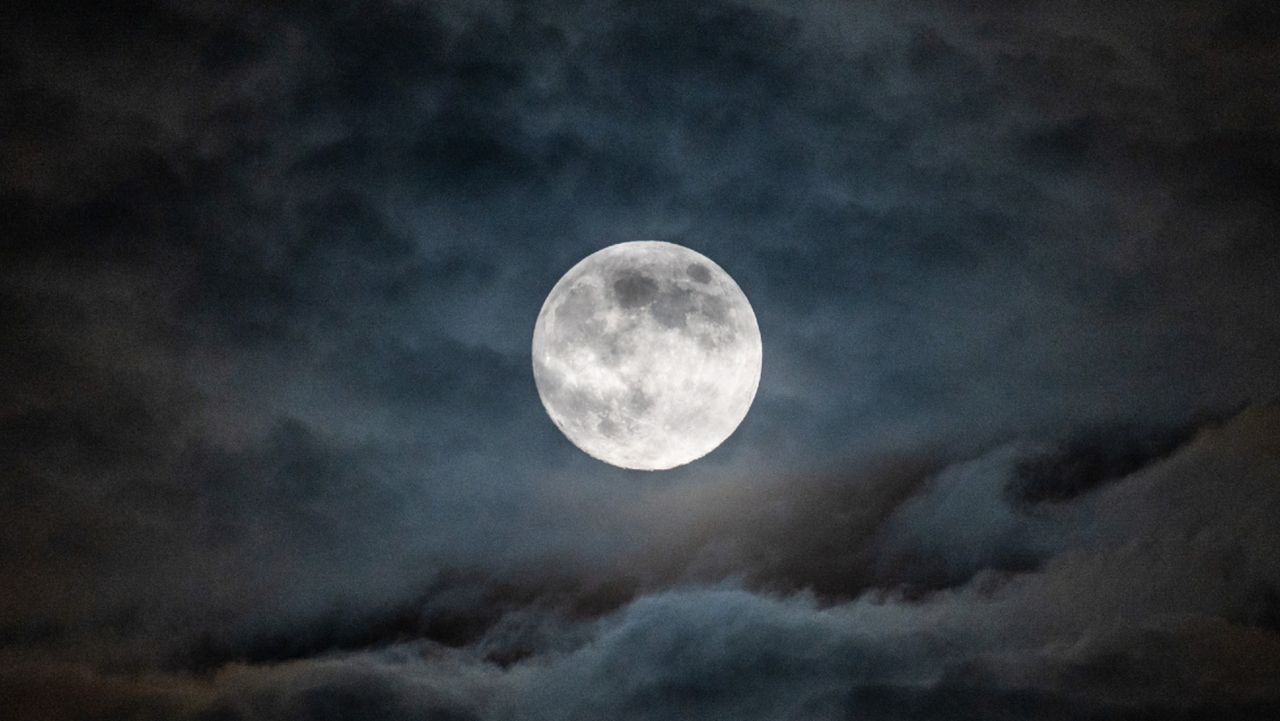
A "Cold Supermoon" rises this week: Watch it take flight online with these free livestreams (video)
NeutralScience
The final full moon of 2025, known as the 'Cold Supermoon', is set to rise on December 5. This celestial event is notable for its occurrence during winter, marking a significant moment for stargazers who can observe it online through various free livestreams.
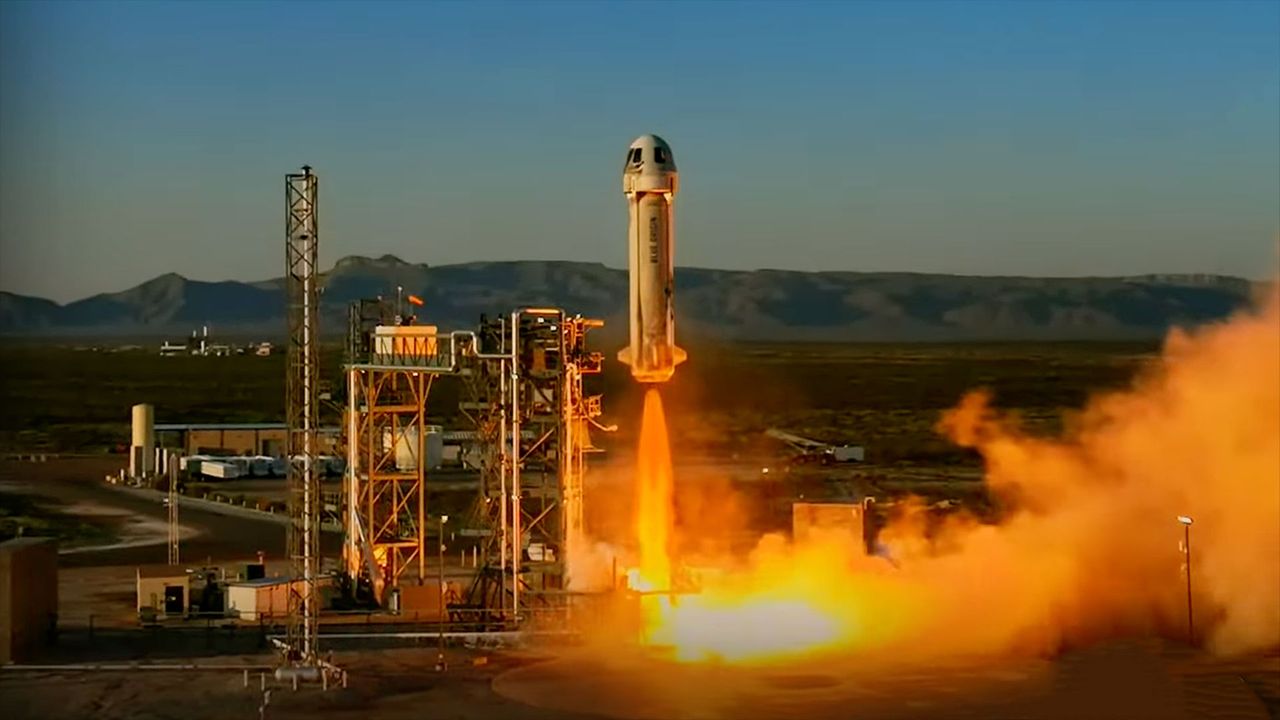
Next Blue Origin tourist launch will fly wheelchair user to space for 1st time
PositiveScience
Blue Origin's upcoming space tourist launch will mark a historic milestone as it will send a wheelchair user to space for the first time, showcasing the company's commitment to inclusivity in space travel.
Struck by a cosmic ray: Galactic particles may have forced a passenger jet to make an emergency landing
NegativeScience
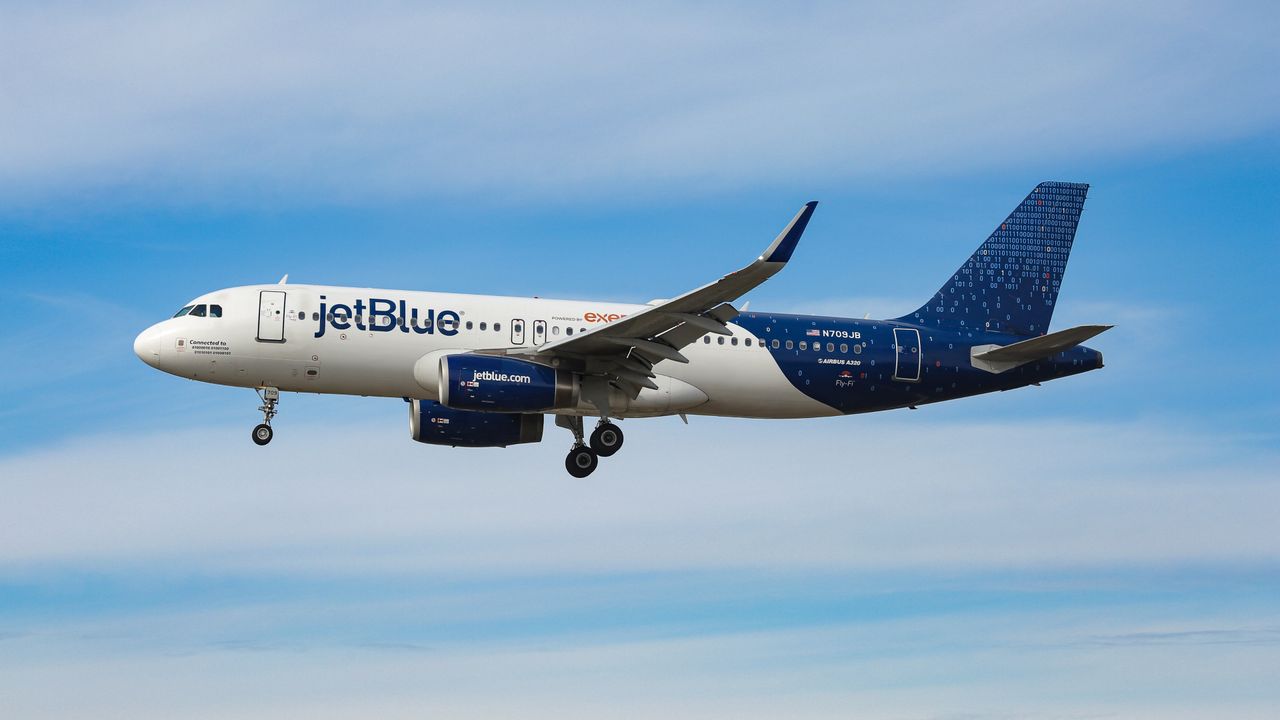
A passenger jet experienced a sudden drop in altitude, likely caused by a cosmic ray from a distant supernova explosion, necessitating an emergency landing in late October. This incident highlights the potential impact of galactic particles on aviation safety.
Northern lights may be visible in 15 states tonight
PositiveScience
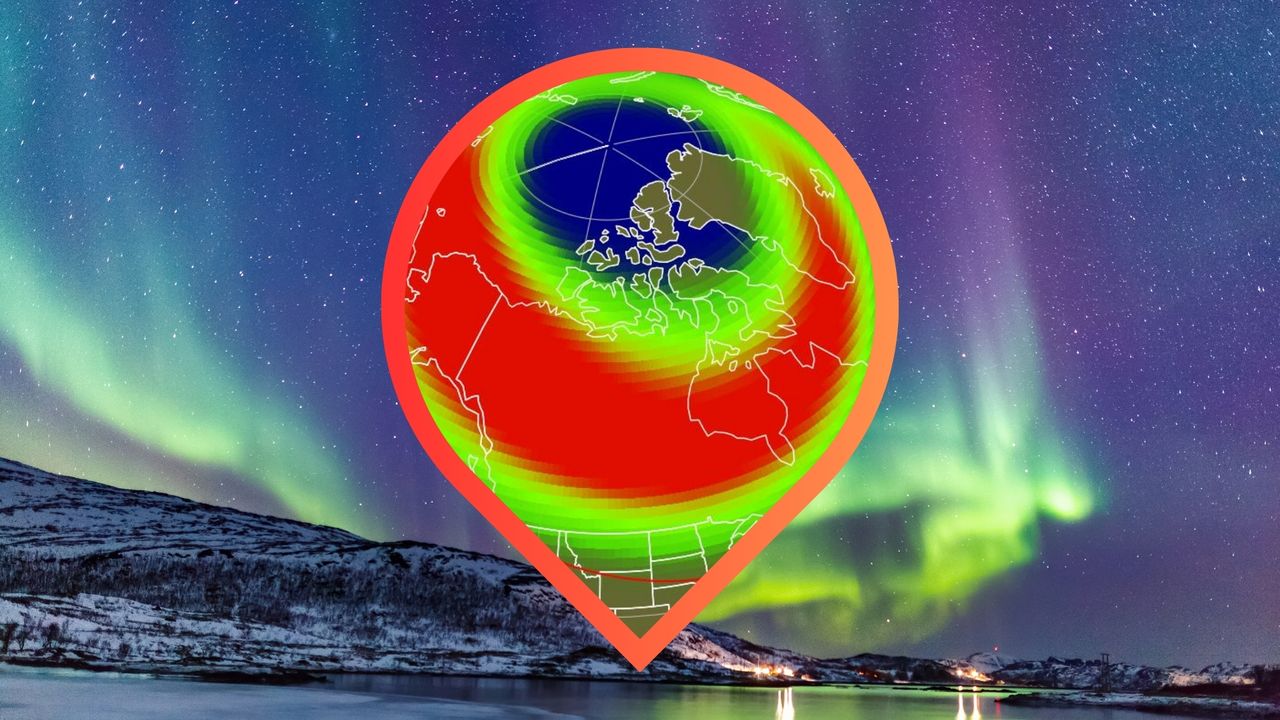
Northern lights are expected to be visible across 15 states, from Alaska to New York, due to a rapid solar wind and an incoming coronal mass ejection impacting Earth's magnetic field. This phenomenon creates ideal conditions for auroras, enhancing their visibility further south than usual.
NASA discovers 'space gum' and sugars 'crucial to life' in asteroid Bennu samples brought to Earth (video)
PositiveScience
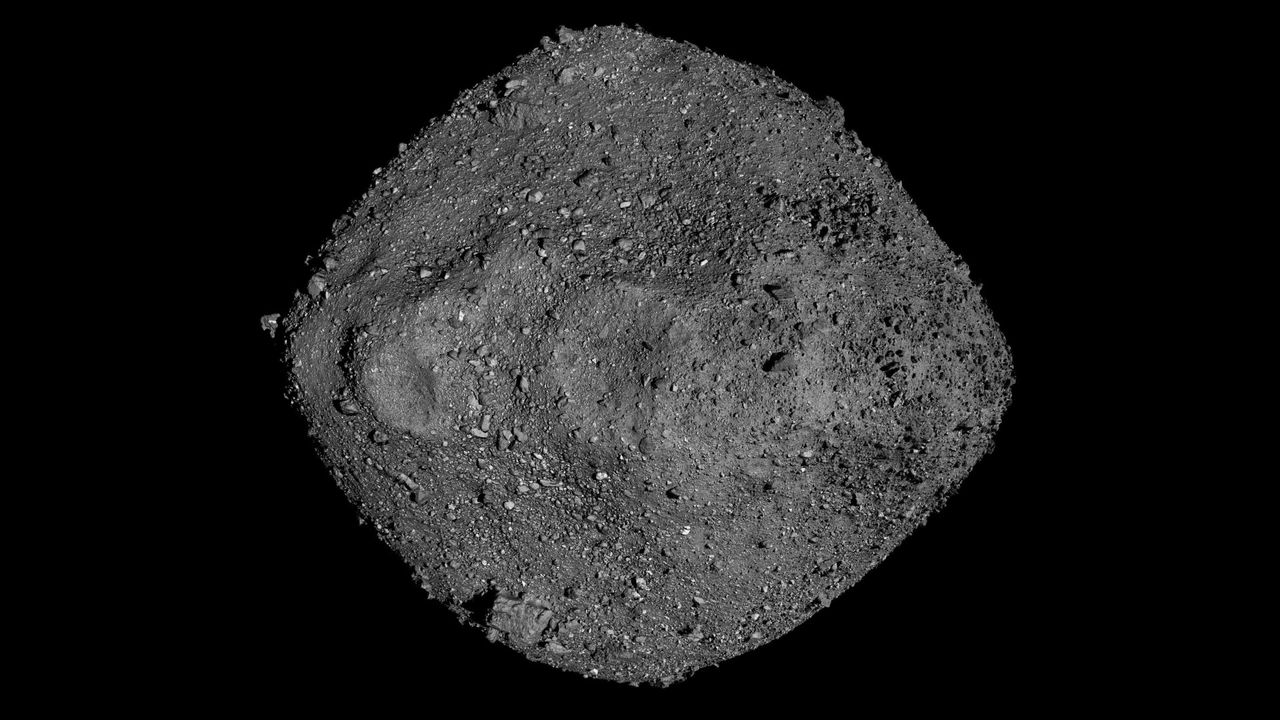
NASA has announced the discovery of life-friendly sugars and a peculiar substance referred to as 'space gum' in samples collected from the asteroid Bennu. These findings, which also include ancient stardust, were brought back to Earth for analysis, highlighting the potential for organic compounds in space environments.
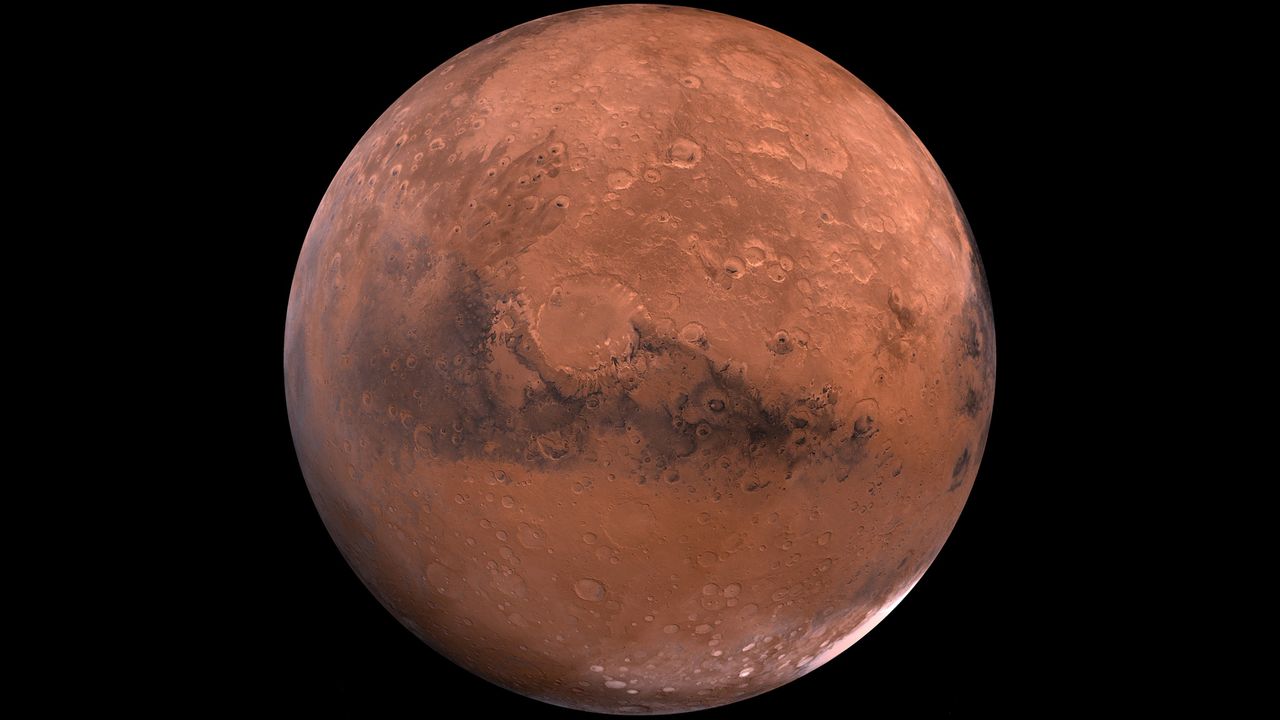
Time travels faster on Mars than on Earth, and here's why
PositiveScience
Recent studies indicate that time travels faster on Mars than on Earth, a phenomenon that could significantly impact navigation and communication systems on the Red Planet. This discrepancy in time measurement is crucial for future missions and operations on Mars, as it will enhance the accuracy of various technological applications.
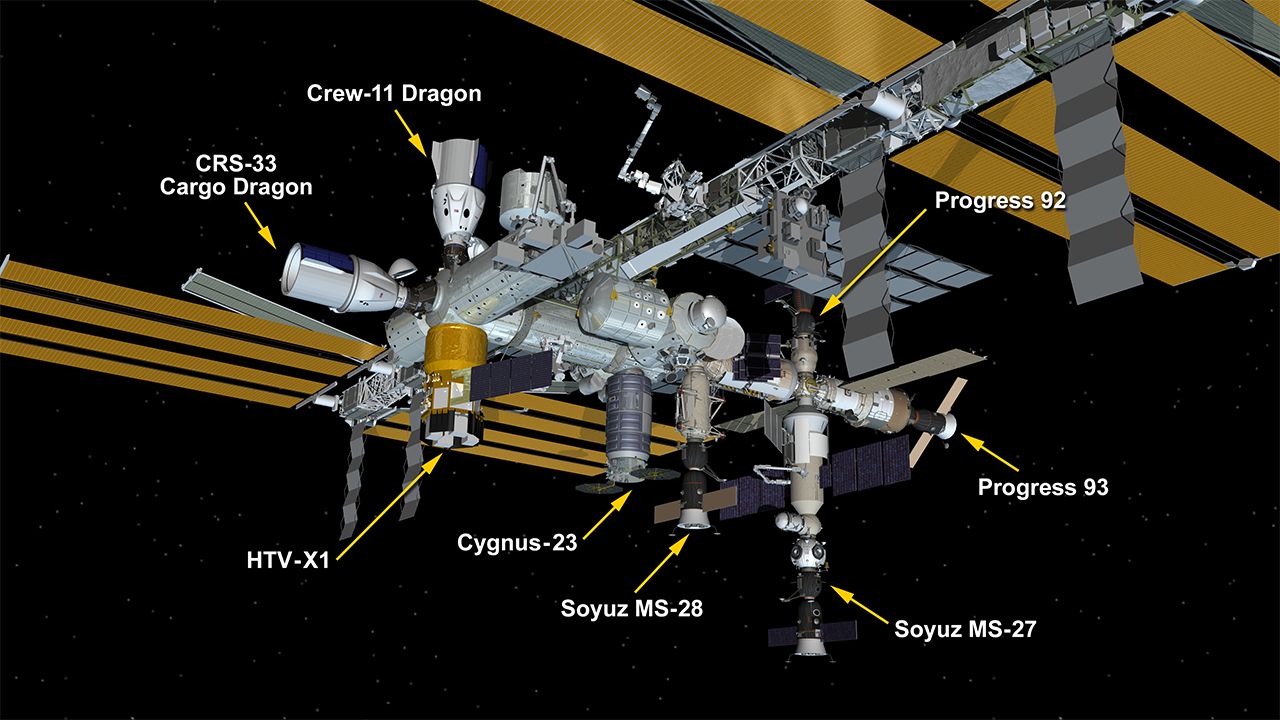
For the 1st time ever, 8 spacecraft are docked to the International Space Station
PositiveScience
For the first time in history, all eight docking ports of the International Space Station (ISS) are occupied by visiting spacecraft, marking a significant milestone in crewed spaceflight. This unprecedented event highlights the growing collaboration and advancements in international space exploration.
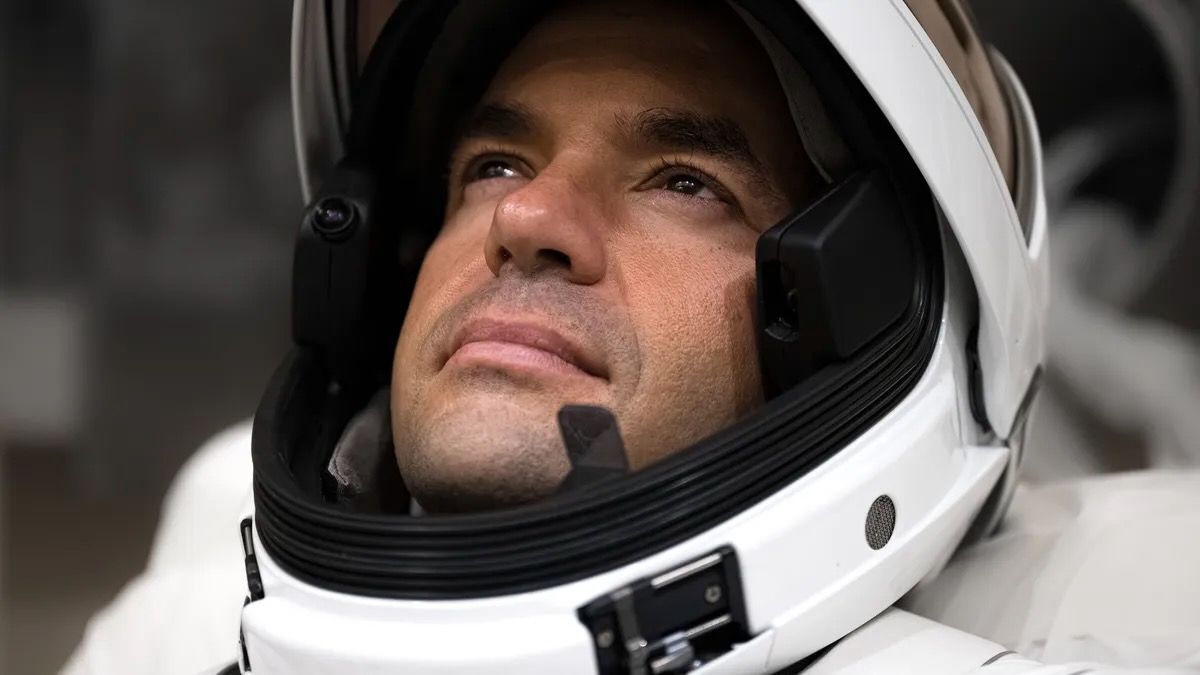
Round 2: Watch Senate hearing for Jared Isaacman's re-nomination as NASA chief today
NeutralScience
The U.S. Senate is set to conduct its second hearing regarding billionaire tech entrepreneur Jared Isaacman's re-nomination as NASA chief on December 3. This hearing follows a previous nomination attempt during the Trump administration, where Isaacman faced scrutiny over his qualifications and vision for NASA's future.