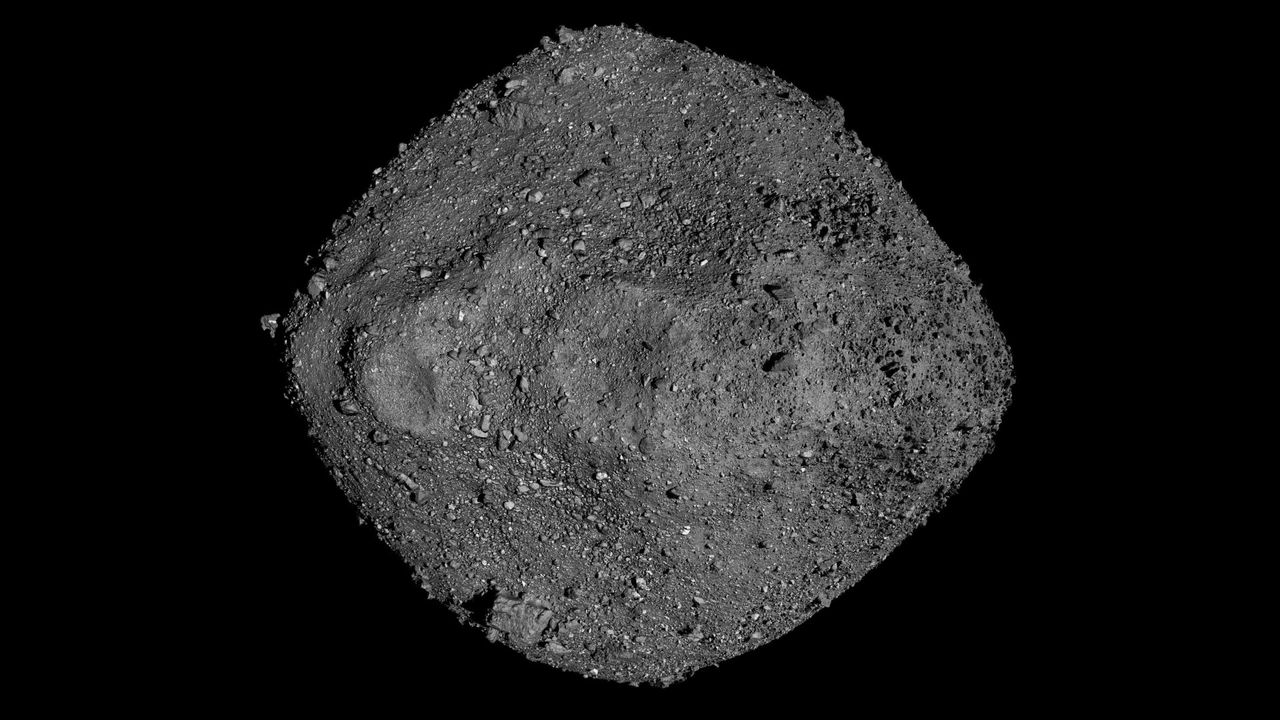
NASA discovers 'space gum' and sugars 'crucial to life' in asteroid Bennu samples brought to Earth (video)

Space.comWednesday, December 3, 2025 at 11:00:00 AM
PositiveScience
NASA discovers 'space gum' and sugars 'crucial to life' in asteroid Bennu samples brought to Earth (video)
  • NASA has announced the discovery of life-friendly sugars and a peculiar substance referred to as 'space gum' in samples collected from the asteroid Bennu. These findings, which also include ancient stardust, were brought back to Earth for analysis, highlighting the potential for organic compounds in space environments.
  • This development is significant as it enhances understanding of the building blocks of life and suggests that asteroids like Bennu may have played a crucial role in delivering essential materials to early Earth, potentially influencing the origins of life.
— via World Pulse Now AI Editorial System
Was this article worth reading? Share it

Recommended apps based on your readingExplore all apps
Continue Readings
Large Magellanic Cloud bursts with baby stars | Space photo of the day for Dec. 3, 2025
PositiveScience
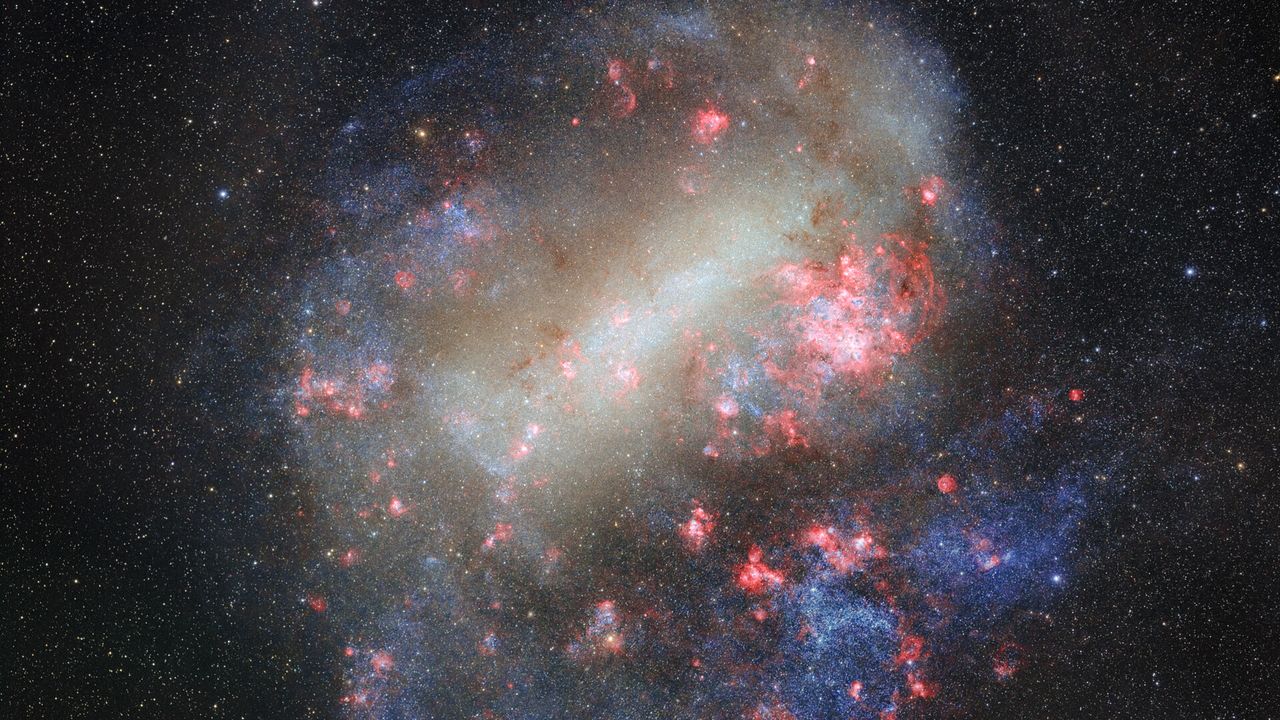
The Large Magellanic Cloud has been observed bursting with new stars, captured in a stunning image taken from Cerro Pachón on December 3, 2025. The high-altitude location and clear dark skies significantly enhance the visibility and detail of this astronomical phenomenon.
Northern lights may be visible in 15 states tonight
PositiveScience
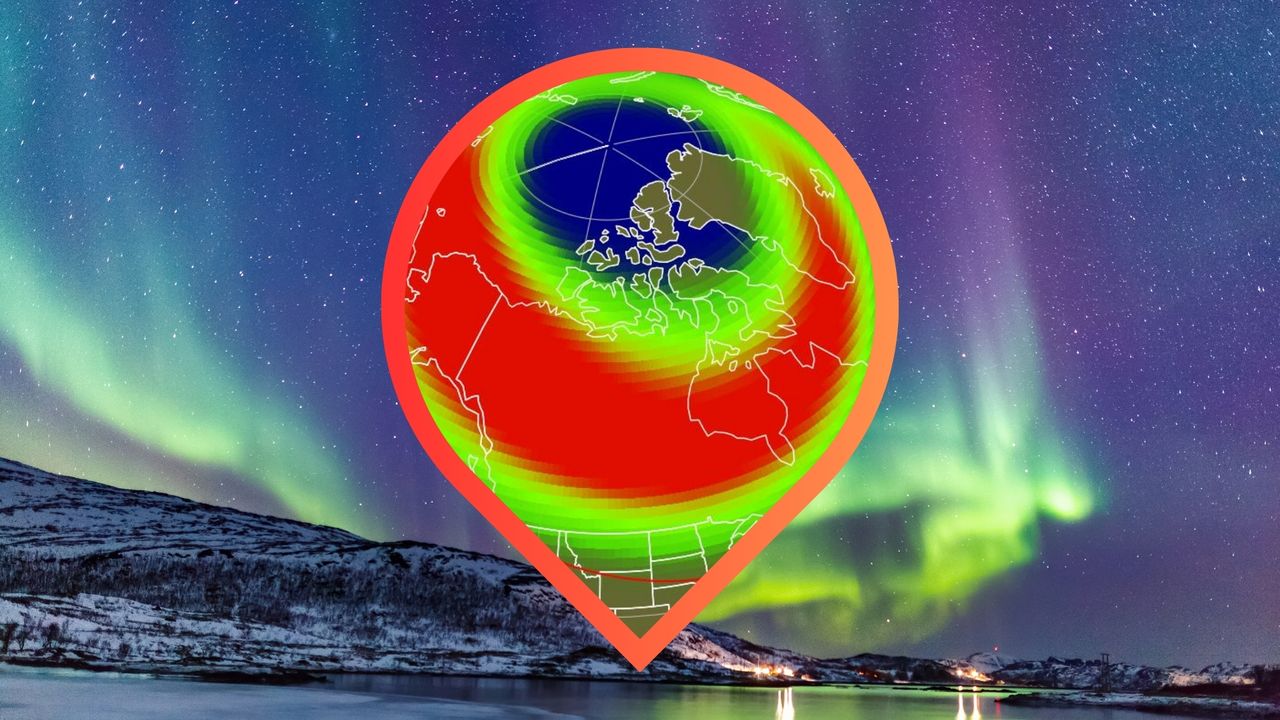
Northern lights are expected to be visible across 15 states, from Alaska to New York, due to a rapid solar wind and an incoming coronal mass ejection impacting Earth's magnetic field. This phenomenon creates ideal conditions for auroras, enhancing their visibility further south than usual.
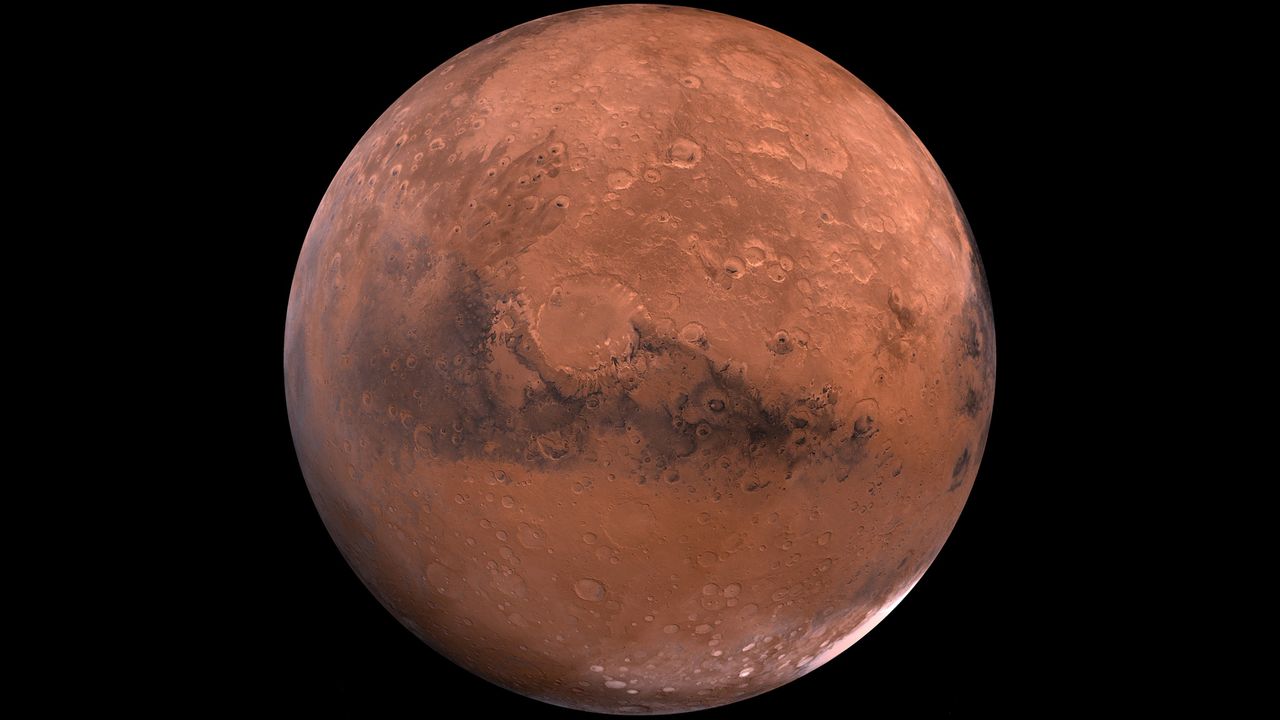
Time travels faster on Mars than on Earth, and here's why
PositiveScience
Recent studies indicate that time travels faster on Mars than on Earth, a phenomenon that could significantly impact navigation and communication systems on the Red Planet. This discrepancy in time measurement is crucial for future missions and operations on Mars, as it will enhance the accuracy of various technological applications.
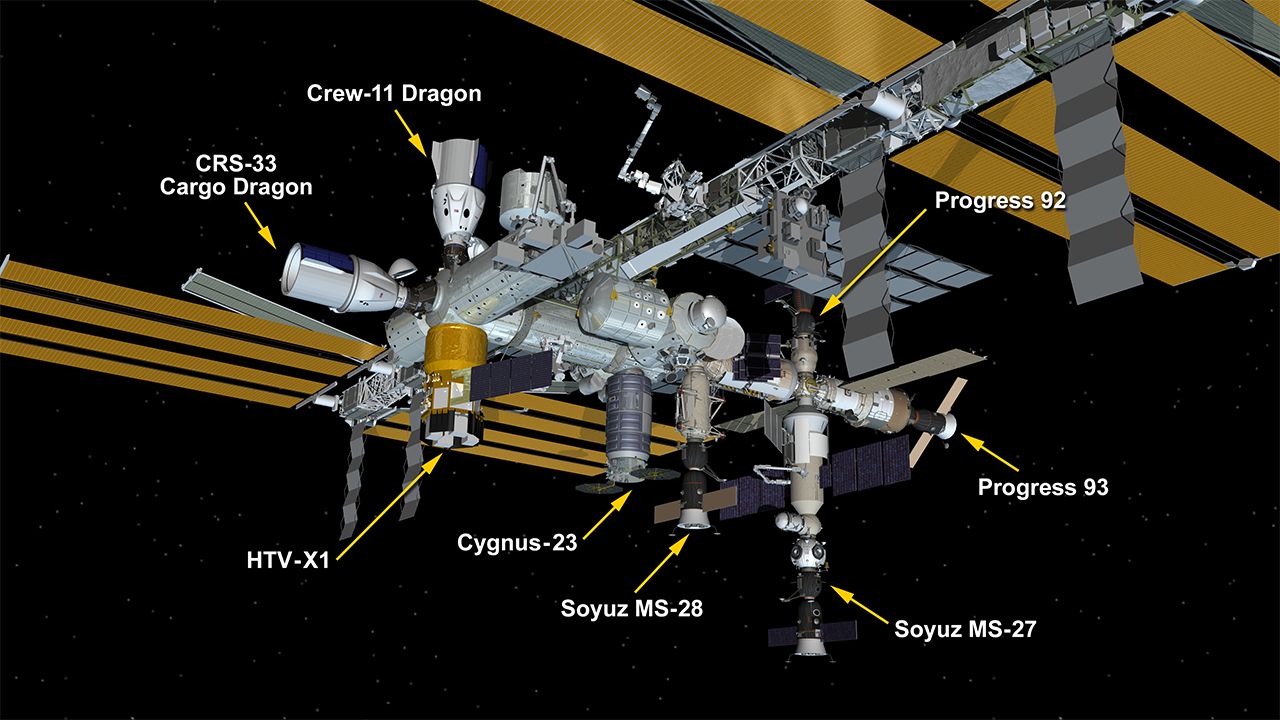
For the 1st time ever, 8 spacecraft are docked to the International Space Station
PositiveScience
For the first time in history, all eight docking ports of the International Space Station (ISS) are occupied by visiting spacecraft, marking a significant milestone in crewed spaceflight. This unprecedented event highlights the growing collaboration and advancements in international space exploration.
Europe passes record-breaking space budget while NASA hit with deep cuts
PositiveScience
The European Space Agency (ESA) member states have approved a record-breaking budget for the next three years, which includes increased funding for scientific exploration and various space missions. This decision marks a significant investment in the future of European space endeavors.
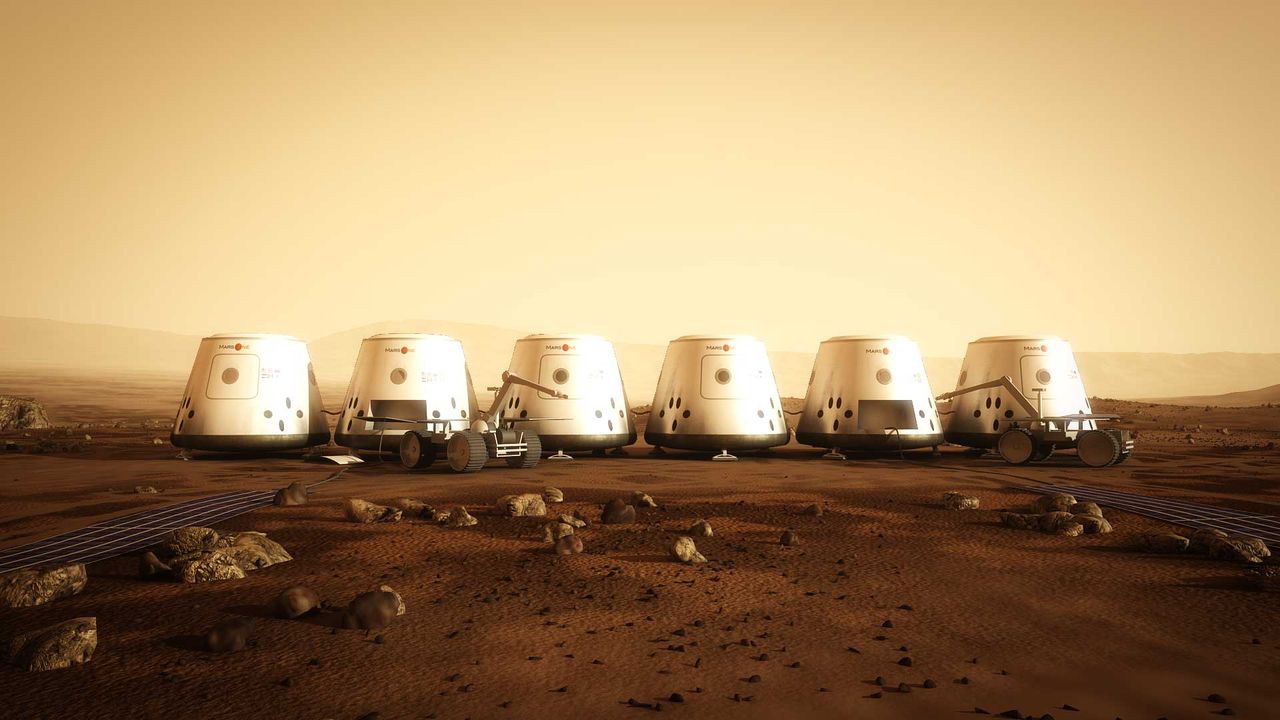
Could future astronauts build houses on Mars with bacteria?
NeutralScience
Researchers are exploring the possibility of using bacteria from Earth in combination with Martian rocks to construct habitats for future astronauts on Mars. This innovative approach could pave the way for sustainable living conditions on the Red Planet, utilizing local materials and biological processes.
30 years of SOHO staring at the sun | Space photo of the day for Dec. 2, 2025
PositiveScience
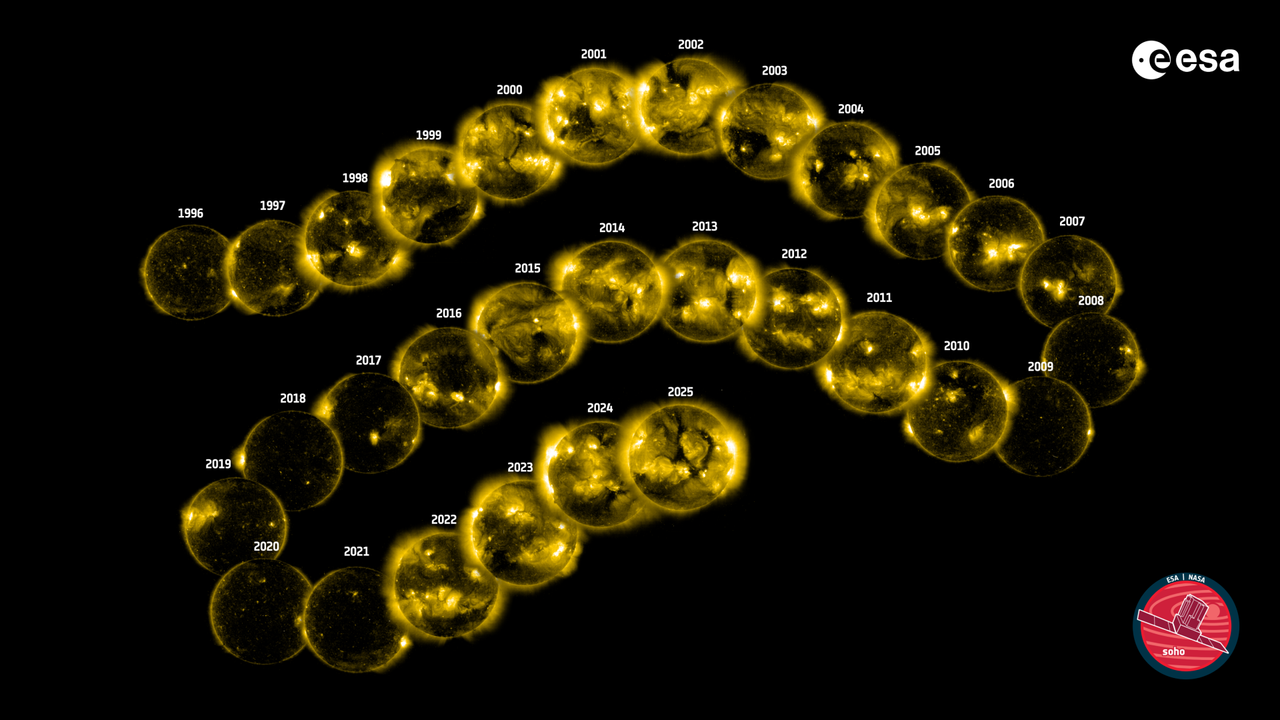
This year marks the 30th anniversary of the Solar and Heliospheric Observatory (SOHO), a mission initially intended to last just three years. Since its launch, SOHO has provided invaluable data on solar activity, significantly enhancing our understanding of the sun's behavior and its impact on space weather.
I watched scientists track interstellar comet 3I/ATLAS leaving the solar system in real-time: 'This is some prime-time science'
PositiveScience
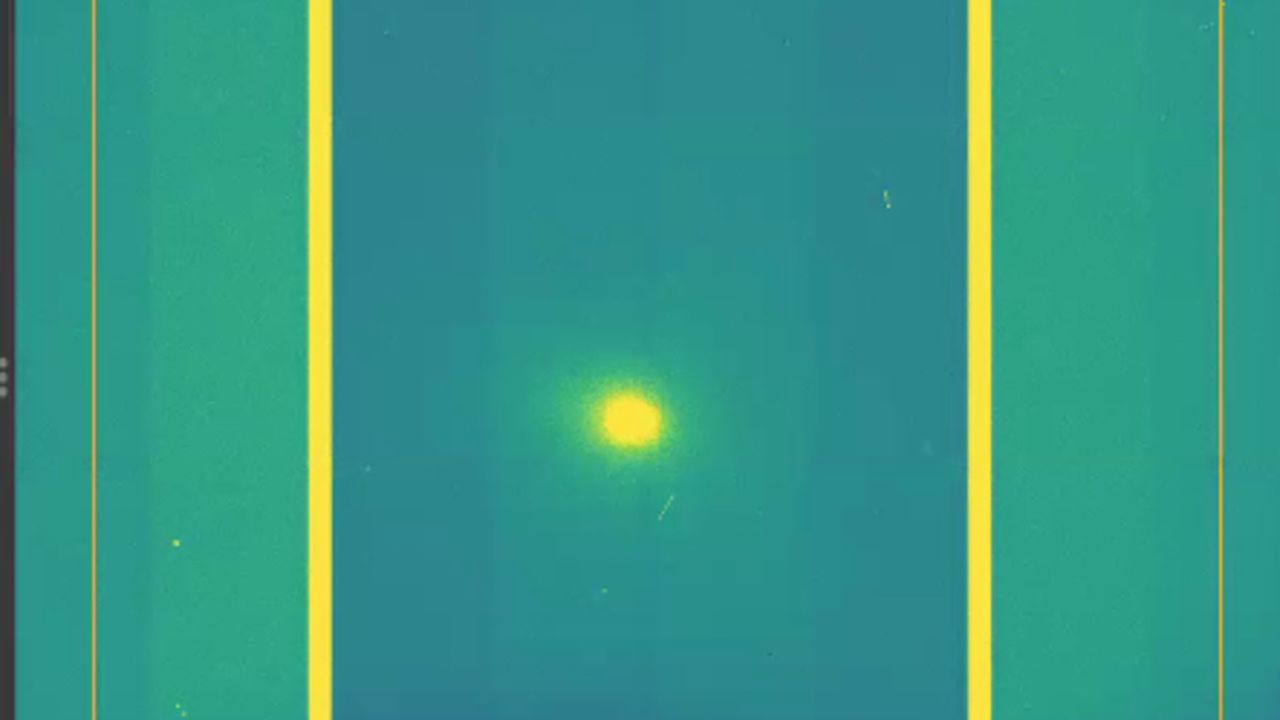
Scientists have successfully tracked the interstellar comet 3I/ATLAS as it departs the solar system, showcasing real-time observations that highlight the comet's characteristics and behavior. This event marks a significant milestone in astronomical research, providing insights into the nature of interstellar objects.