Damaged launch pad: How long before Russia can send astronauts to the ISS again?

Space.comThursday, December 4, 2025 at 4:00:00 PM
NegativeScience
Damaged launch pad: How long before Russia can send astronauts to the ISS again?
  • A recent launch on November 27 resulted in damage to Russia's only active launch pad at the Baikonur Cosmodrome, which is critical for crewed missions to the International Space Station (ISS). This incident raises questions about the timeline for resuming manned spaceflights from Russia, as the damaged infrastructure directly impacts their ability to send astronauts into orbit.
  • The damage to the launch pad poses significant challenges for Russia's space program, which has been a key player in international space exploration. With the ISS currently hosting a record number of spacecraft, the inability to launch new missions could hinder Russia's participation in ongoing collaborative efforts in space.
  • This incident highlights ongoing concerns regarding the reliability of Russia's space infrastructure, especially as the ISS continues to evolve with increasing international collaboration. The recent welcoming of new astronauts aboard the ISS and the historic docking of eight spacecraft underscore the importance of maintaining robust launch capabilities to support future missions and partnerships in space exploration.
— via World Pulse Now AI Editorial System

Was this article worth reading? Share it

Recommended apps based on your readingExplore all apps
Continue Readings
'Hubble tension' is back again as a new cosmic map deepens the puzzle
NegativeScience
A new cosmic map has reignited the debate surrounding the 'Hubble tension,' a discrepancy in the measurement of the universe's expansion rate. This development suggests that previous assumptions may need reevaluation, as researchers work to narrow down viable explanations for the observed inconsistencies.
Rare solar flare caused radiation in Earth's atmosphere to spike to highest levels in nearly 20 years, researchers say
NegativeScience
In November, a rare solar super-flare resulted in a significant spike in cosmic radiation levels in Earth's atmosphere, reaching the highest levels recorded in nearly 20 years. This event underscores the dynamic nature of solar activity and its direct impact on our planet's environment.
Mercury is hard to spot, but you can catch it in the morning sky this month
PositiveScience
Mercury, the innermost planet of the solar system, is currently visible in the morning sky, providing a rare opportunity for skywatchers to observe this elusive celestial body. This month marks an ideal time to catch a glimpse of Mercury, which is often difficult to spot due to its proximity to the Sun.
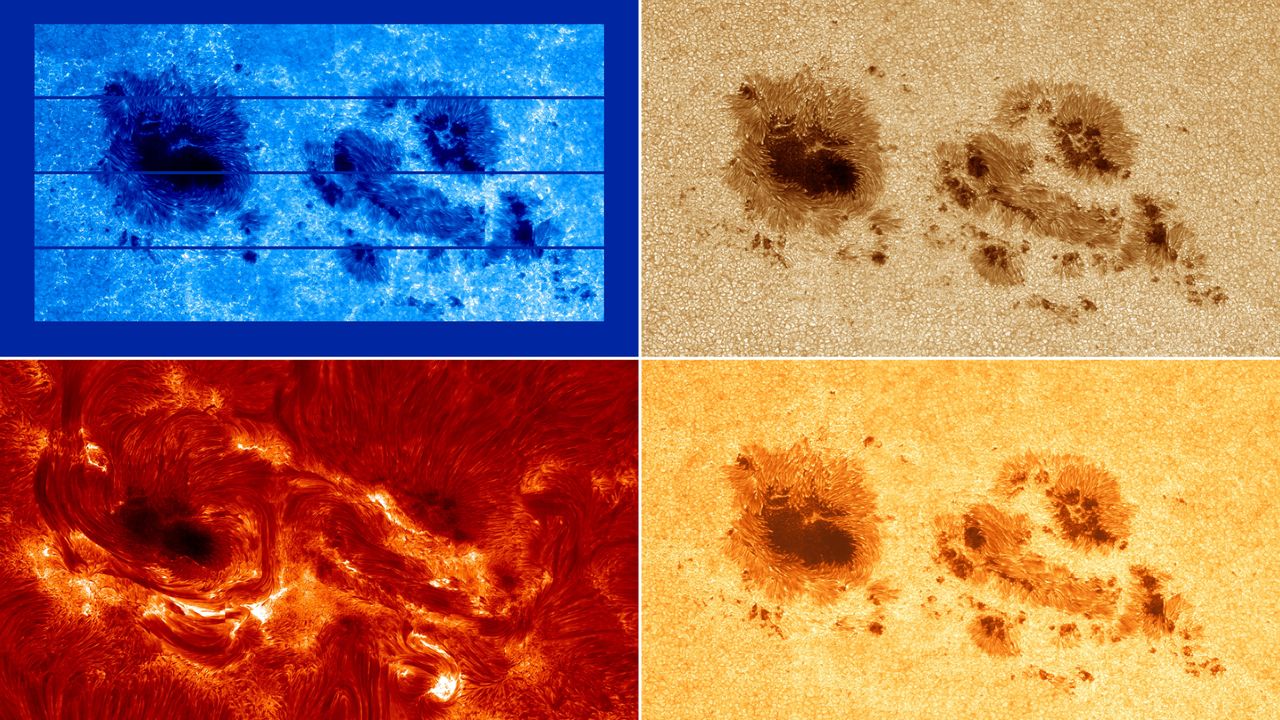
Rare images reveal active sunspots minutes before they unleashed powerful X-flares that caused November 2025's stunning auroras
NeutralScience
Rare images captured just minutes before X-class solar flares erupted reveal active sunspots, which subsequently led to stunning auroras observed in November 2025. These flares are significant solar events that can impact Earth’s atmosphere and magnetic field.
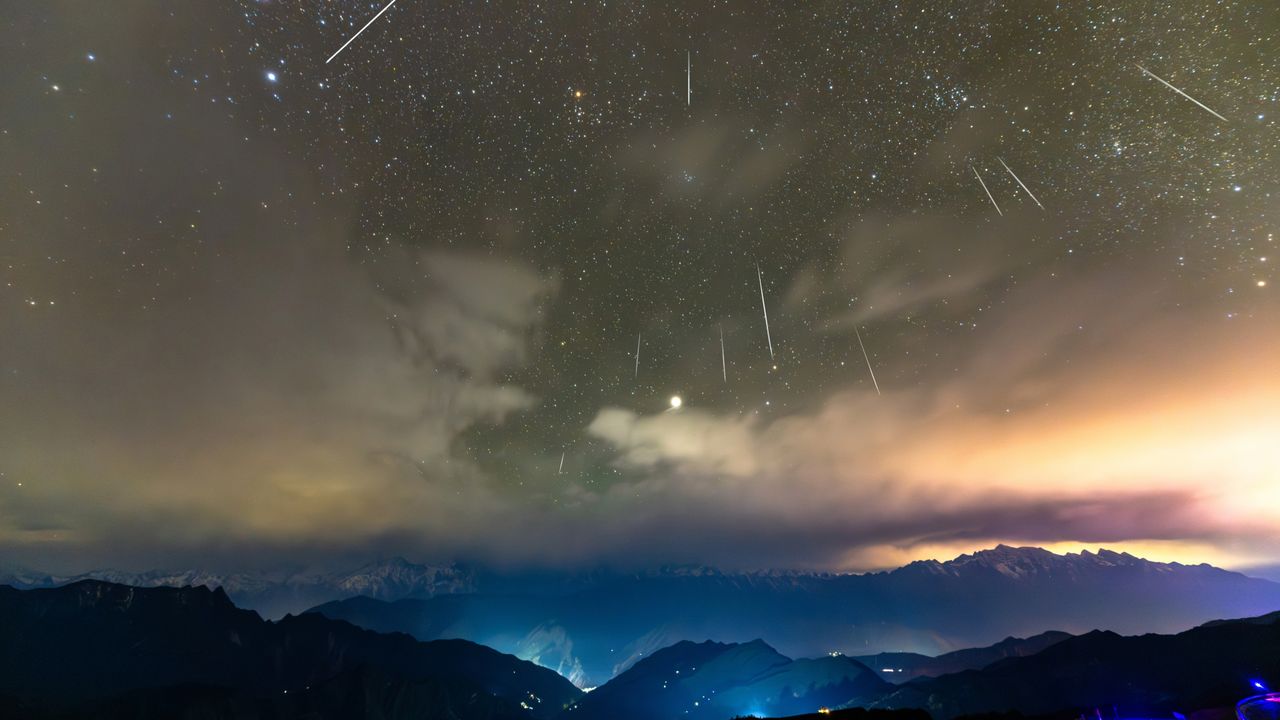
Geminid shooting stars: One of 2025's most exciting meteor showers begins tonight
PositiveScience
The Geminid meteor shower, known for its bright and colorful shooting stars, is currently active, having begun on December 4, and is expected to reach its peak on the night of December 13-14. This annual celestial event is one of the highlights of the meteor shower calendar, attracting skywatchers worldwide.
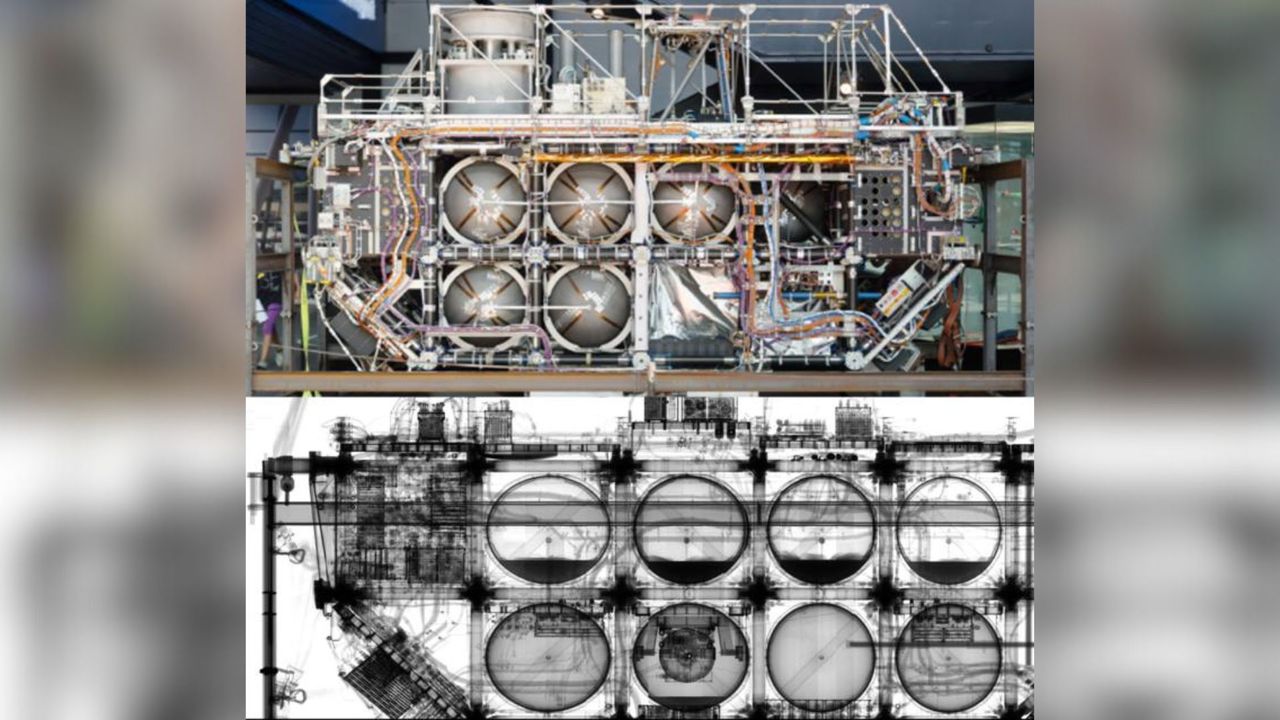
See the metal guts of a satellite in this wild X-ray view | Space photo of the day for Dec. 4, 2025
NeutralScience
The EURECA spacecraft, which flew aboard the space shuttle Atlantis in 1992, has been highlighted in a recent X-ray view that reveals its intricate metal structure. This image, shared on December 4, 2025, showcases the technological advancements in imaging and analysis of space equipment.
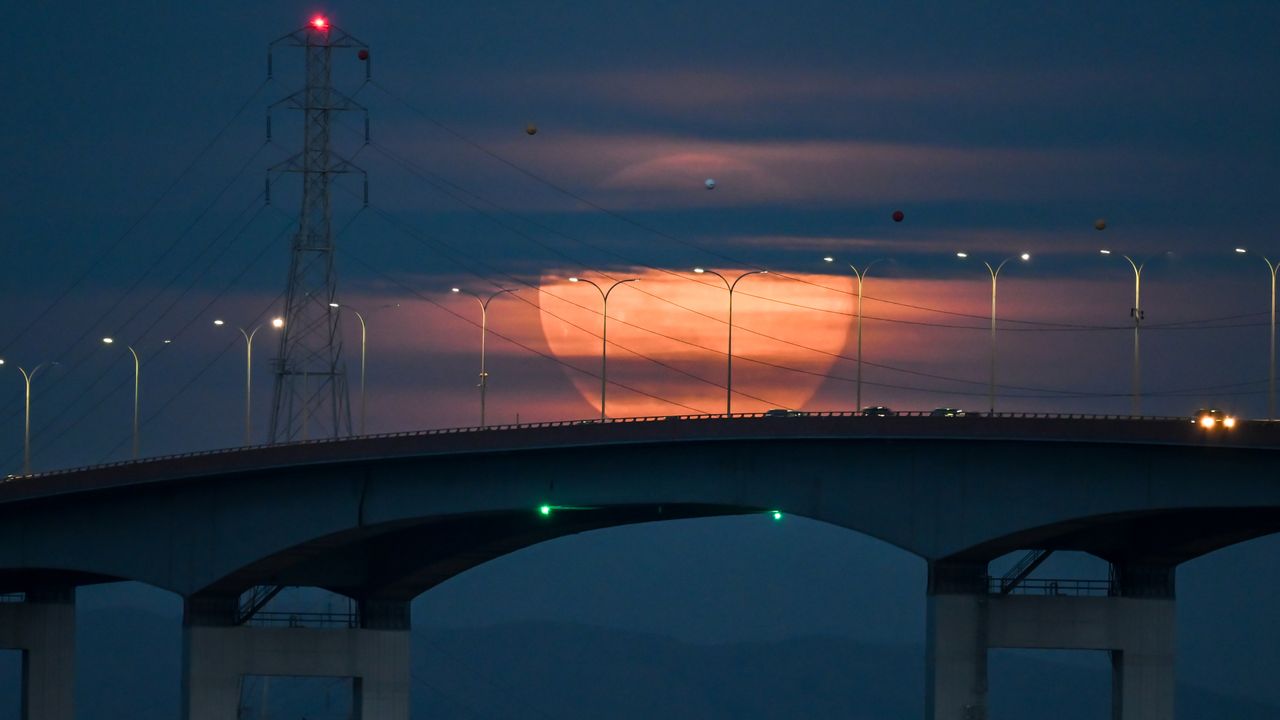
Don't miss the last full moon of 2025 as the 'Cold Supermoon' takes to the autumn sky on Dec. 4
PositiveScience
The last full moon of 2025, known as the 'Cold Supermoon', is set to illuminate the autumn sky on December 4, offering a spectacular view for stargazers. This celestial event is characterized by the moon's proximity to Earth, making it appear larger and brighter than usual. Observers are encouraged to witness this stunning phenomenon, which is a highlight of the astronomical calendar.
A 'Cold Supermoon' rises this week: Watch it take flight online with these free livestreams (video)
NeutralScience
The final full moon of 2025, known as the 'Cold Supermoon', is set to rise on December 4, providing a spectacular view for stargazers. This event is characterized by the moon's proximity to Earth, making it appear larger and brighter than usual. Livestreams will be available for those unable to view it in person.