A Weak Spot in Earth's Magnetic Field Is Growing, but Scientists Say Not to Worry. Here's a Look at What Shields Us From Space Weather

Smithsonian MagazineFriday, December 5, 2025 at 4:23:04 PM
NeutralScience
A Weak Spot in Earth's Magnetic Field Is Growing, but Scientists Say Not to Worry. Here's a Look at What Shields Us From Space Weather
  • Recent observations indicate that a weak spot in Earth's magnetic field is expanding, but scientists assure that this phenomenon does not pose a threat to life on the planet. The magnetosphere, which has undergone significant changes throughout Earth's history, continues to protect the planet from harmful space weather.
  • Understanding the dynamics of the magnetosphere is crucial as it plays a vital role in shielding Earth from solar radiation and cosmic events. This knowledge helps scientists assess potential risks and develop strategies to mitigate impacts from space weather.
  • The growing interest in Earth's magnetic field dynamics highlights the complexity of planetary systems and their interactions with solar activity. Recent studies have revealed unexpected behaviors in the magnetic field, while past solar storms have demonstrated the vulnerabilities of Earth's protective layers, emphasizing the need for ongoing research in planetary science.
— via World Pulse Now AI Editorial System
Was this article worth reading? Share it

Recommended apps based on your readingExplore all apps
Continue Readings
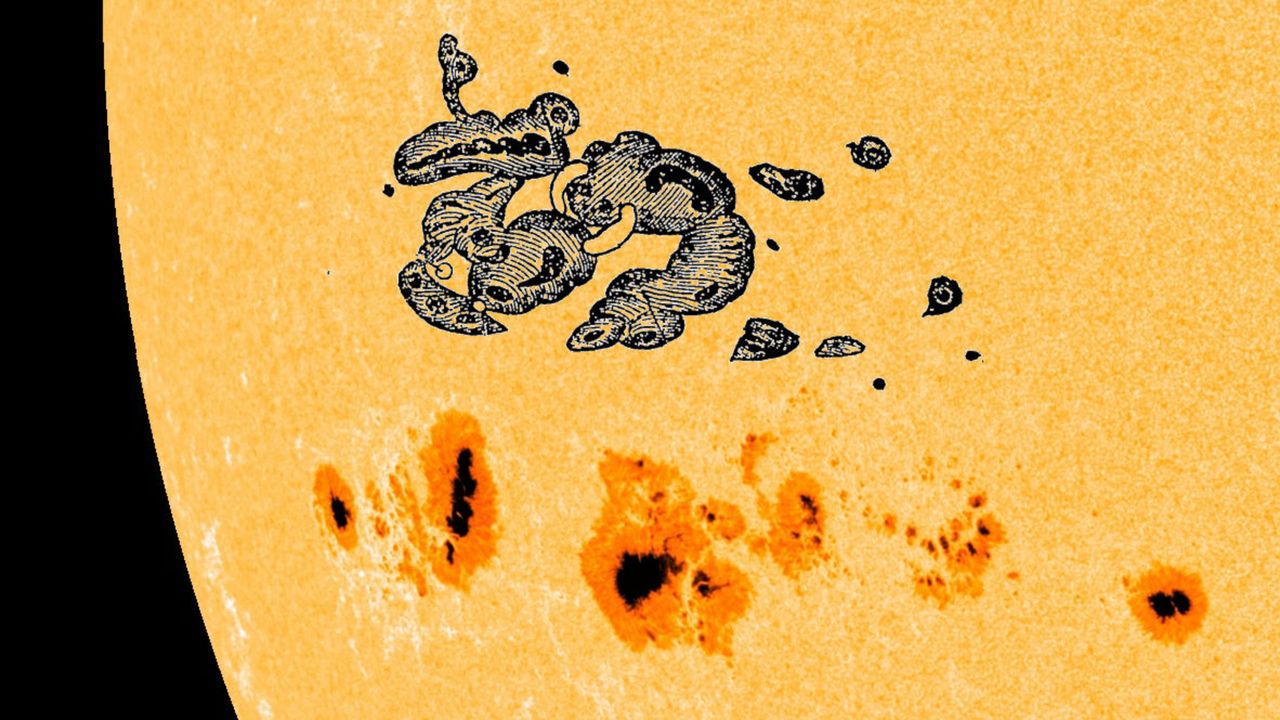
Giant sunspot on par with the one that birthed the Carrington Event has appeared on the sun — and it's pointed right at Earth
NeutralScience
A massive sunspot complex, identified as AR 4294-4296, has emerged on the sun and is currently facing Earth. This sunspot is comparable to the one that caused the Carrington Event in 1859, although it remains inactive at this time.
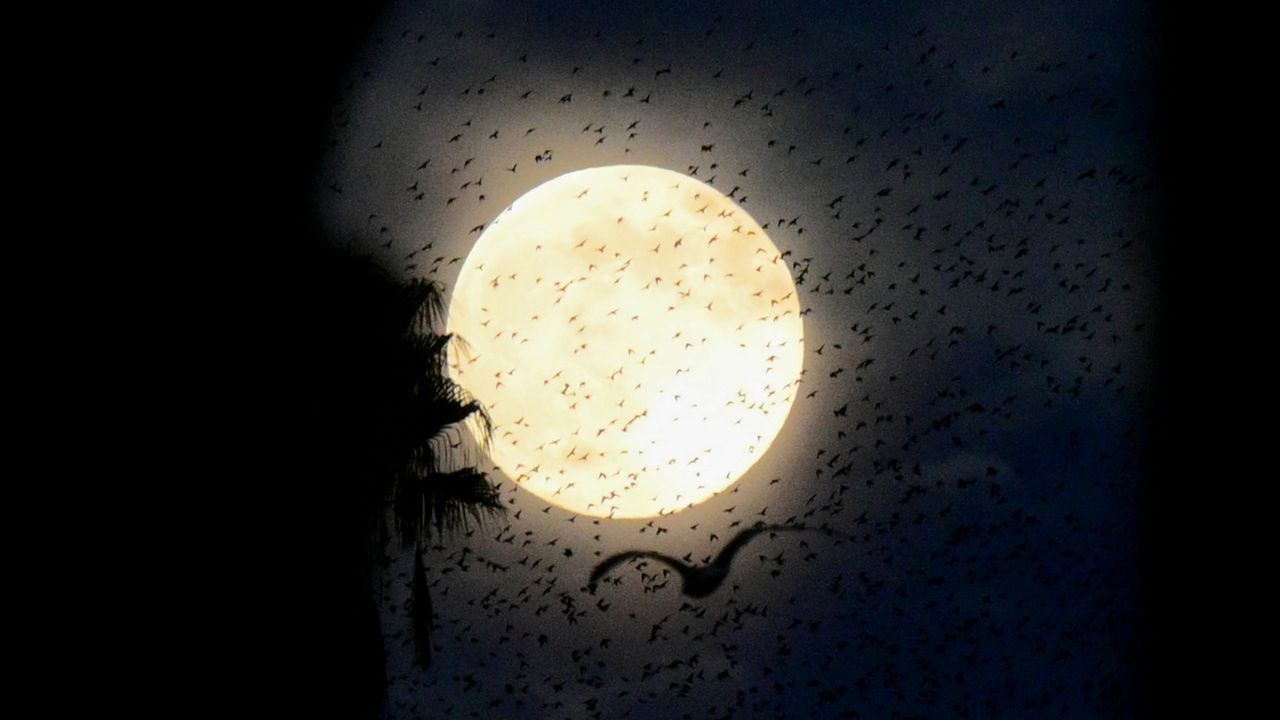
December's 'Cold Moon' rises: See breathtaking images of the final full moon of 2025
PositiveScience
December's 'Cold Moon' rose on December 4, 2025, marking the final full moon of the year as it approached its closest point to Earth in its monthly orbit. This celestial event, known for its striking appearance, captivated stargazers around the world.
Ancient Chinese texts reveal new clues about the 1st recorded solar eclipse
NeutralScience
Ancient Chinese texts have provided new insights into the first recorded solar eclipse, allowing scientists to explore historical astronomical phenomena with greater accuracy. These ancient records serve as a valuable resource for understanding celestial events that occurred centuries ago.
Deep-sea mining tests impact over a third of seabed animals - scientists
NegativeScience
Recent studies indicate that deep-sea mining activities have detrimental effects on over a third of seabed animal populations, raising alarms among scientists regarding the environmental impact of such operations. This finding adds to the ongoing debate about balancing green technology advancements with ecological preservation.
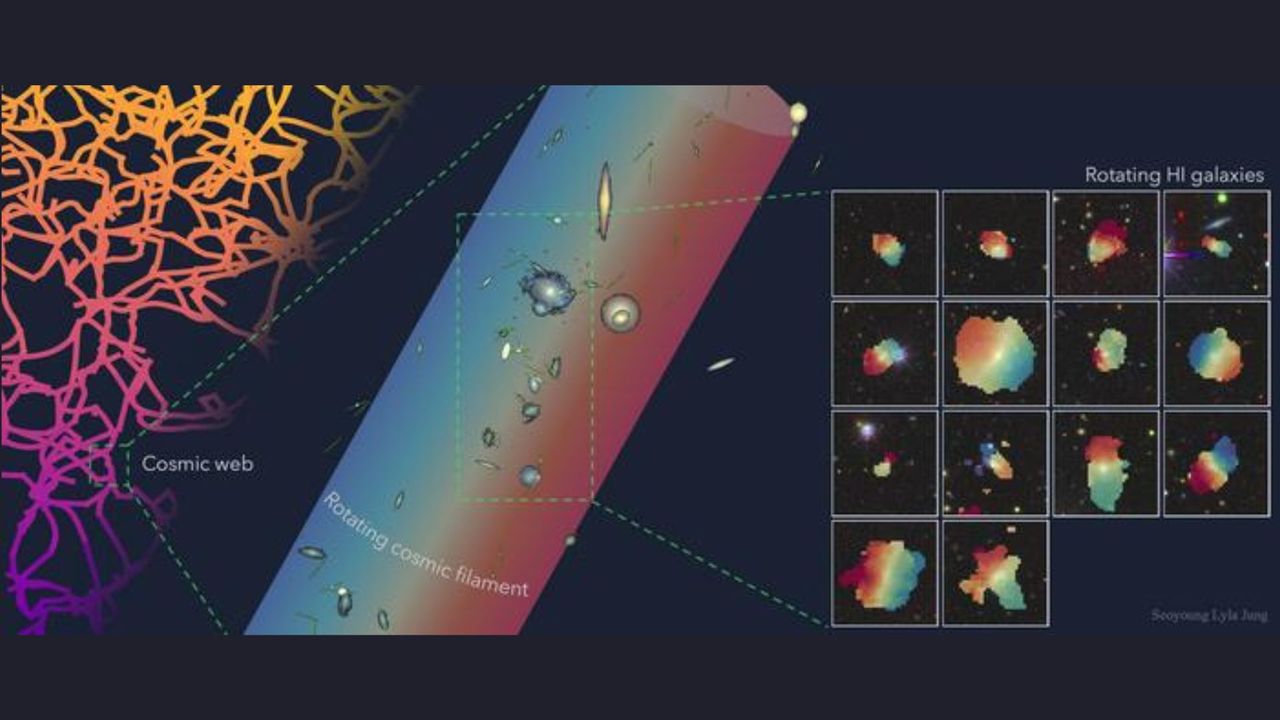
Scientists discover one of our universe's largest spinning structures — a 50-million-light-year-long cosmic thread
PositiveScience
Scientists have discovered a colossal cosmic thread measuring 50 million light-years in length, which may reshape our understanding of how cosmic environments influence galaxy formation. This discovery highlights the intricate structures that exist within the universe, suggesting a more complex interplay between galaxies and their surroundings.
Geminids 2025: The year's best meteor shower is coming, with a second shower hot on its tail
PositiveScience
The Geminid meteor shower has commenced, with its peak expected on the nights of December 13 and 14, 2025, offering a spectacular display of up to 150 shooting stars per hour in a moonless sky. This annual event is renowned for its vibrant and colorful meteors, captivating stargazers around the world.
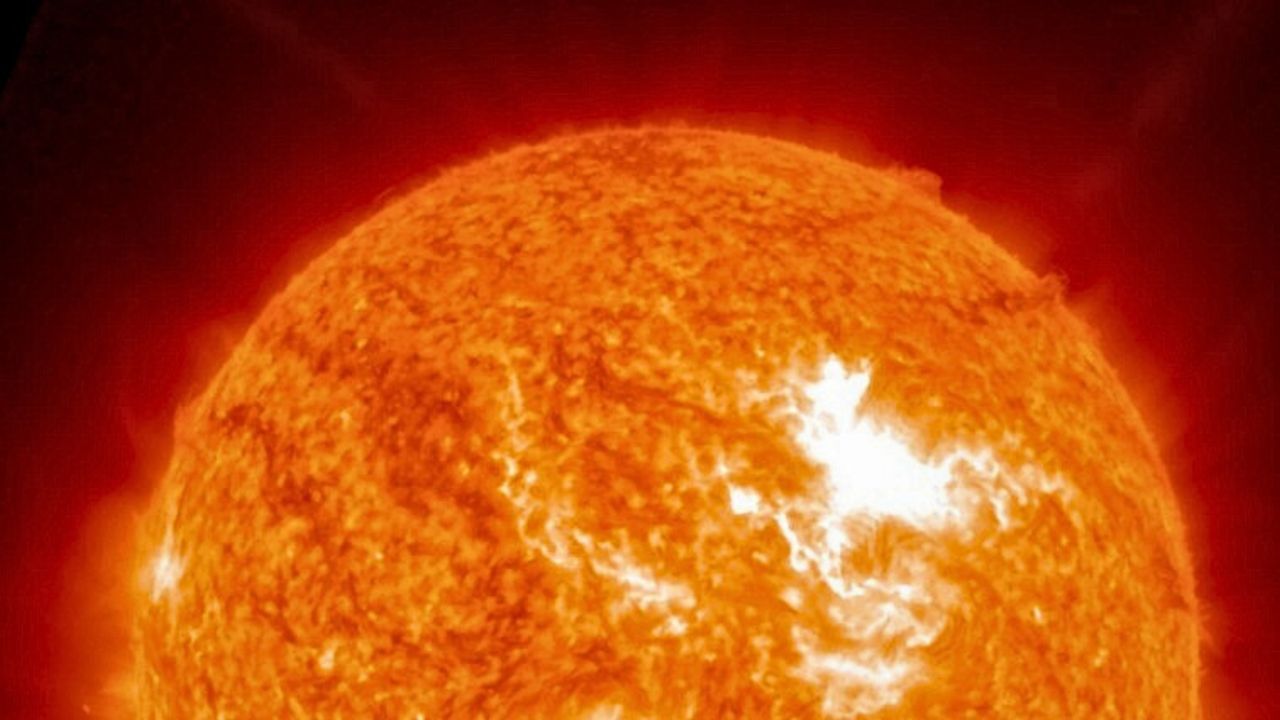
Rare solar flare caused radiation in Earth's atmosphere to spike to highest levels in nearly 20 years, researchers say
NegativeScience
In November, a rare solar super-flare resulted in a significant spike in cosmic radiation levels in Earth's atmosphere, reaching the highest levels recorded in nearly 20 years. This event underscores the dynamic nature of solar activity and its direct impact on our planet's environment.
The Black Death May Be Linked to a Mysterious Volcanic Eruption
NeutralScience
Recent research indicates a potential link between a mysterious volcanic eruption and the onset of the Black Death, which devastated Europe in the 14th century. This eruption may have disrupted climate patterns, creating conditions conducive to the spread of the plague. Scientists and historians are investigating these connections to better understand the pandemic's severity.