Interstellar comet 3I/ATLAS makes its closest approach to Earth tonight: Here's what you need to know

Space.comMonday, December 15, 2025 at 6:00:00 PM
PositiveScience
Interstellar comet 3I/ATLAS makes its closest approach to Earth tonight: Here's what you need to know
  • The interstellar comet 3I/ATLAS is making its closest approach to Earth tonight, providing astronomers with a unique opportunity to study this celestial object up close. This event is particularly significant as it follows the comet's recent flyby of Mars, where new images were captured, enhancing the understanding of its characteristics.
  • This close encounter allows astronomers to observe and analyze the comet's features more easily with telescopes, marking an important moment for both professional and amateur astronomers. The event is expected to yield valuable data about the comet's composition and behavior as it travels through space.
  • The approach of 3I/ATLAS highlights the ongoing interest in interstellar objects and the advancements in observational technology that enable scientists to study them. As astronomers race against time to gather data, the event underscores the significance of international collaboration in space exploration, as various missions and telescopes work together to enhance our understanding of these rare celestial visitors.
— via World Pulse Now AI Editorial System

Was this article worth reading? Share it

Recommended apps based on your readingExplore all apps
Continue Readings
Comet 3I/ATLAS reaches its closest point to Earth tonight: How to see it in the sky and online
PositiveScience
Comet 3I/ATLAS is set to reach its closest point to Earth overnight from December 18 to 19, 2025, marking a significant event for astronomers and space enthusiasts. This interstellar comet, the third of its kind detected, offers a unique opportunity for observation as it swings by our planet.
NASA eyes 3I/ATLAS with alien-hunting Clipper spacecraft as comet approaches Earth
NeutralScience
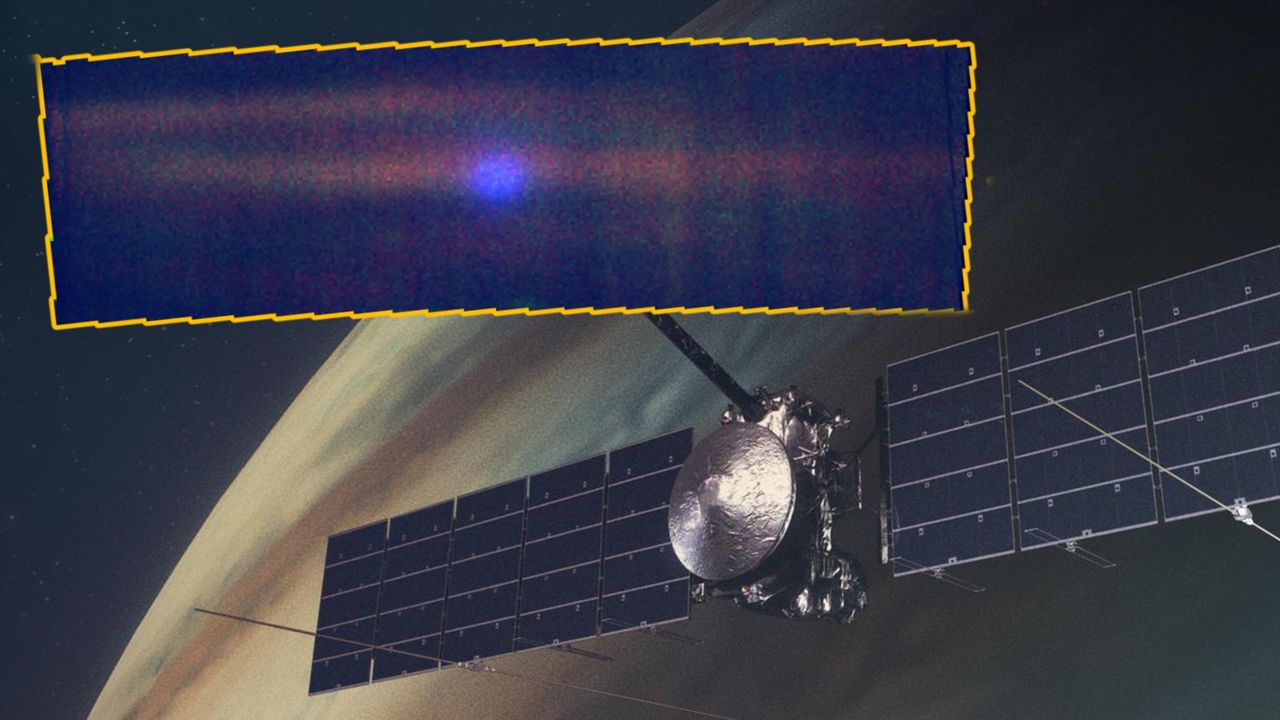
NASA's Europa Clipper spacecraft has conducted seven hours of ultraviolet observations of the interstellar comet 3I/ATLAS as both the spacecraft and the comet approach Jupiter. This observation is part of ongoing efforts to study the comet's characteristics and behavior in the solar system.
First-of-its-kind cosmic collision spotted 25 light-years from Earth
NeutralScience
Astronomers have detected a unique cosmic collision approximately 25 light-years from Earth, initially mistaken for a new exoplanet. This event marks a significant observation in the field of astronomy, highlighting the dynamic interactions occurring in space.
Scientists detect X-ray glow from interstellar comet 3I/ATLAS extending 250,000 miles into space
PositiveScience
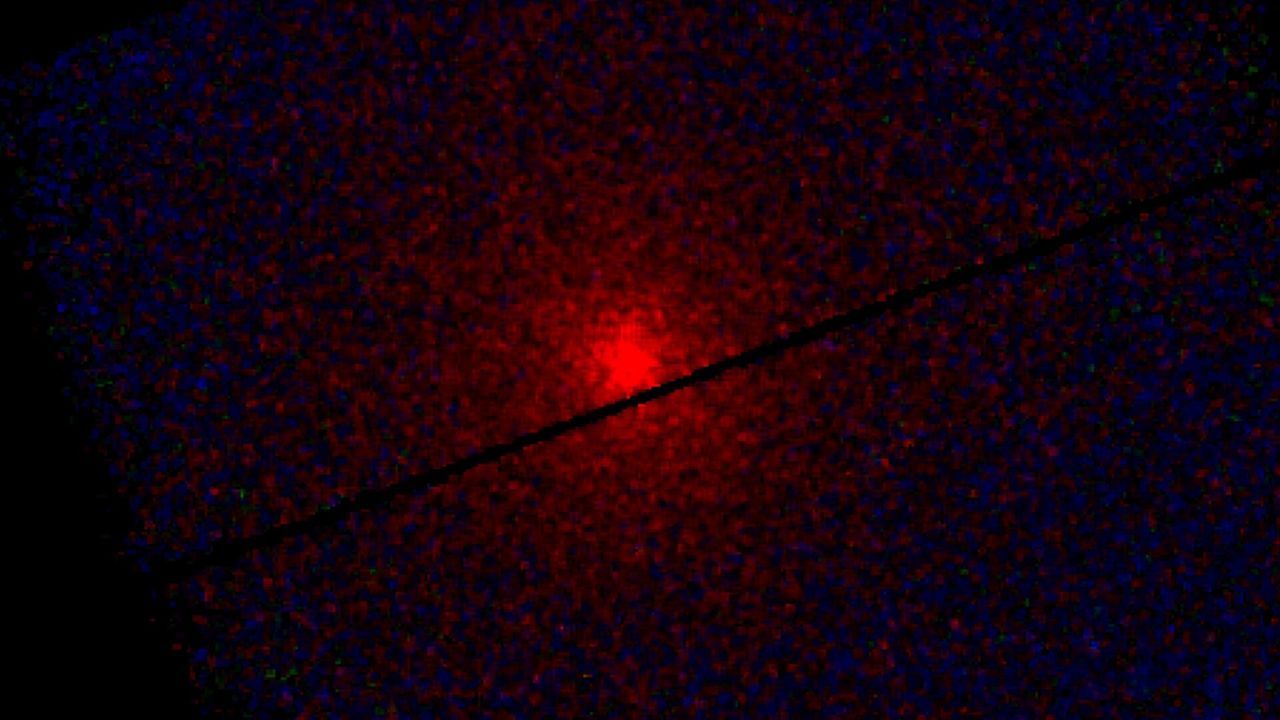
Scientists have detected an X-ray glow from the interstellar comet 3I/ATLAS, which extends approximately 250,000 miles into space. This observation was made using two space telescopes, revealing how the comet's gases interact with solar particles as it traverses the inner solar system.
What time will interstellar comet 3I/ATLAS be closest to Earth tonight?
NeutralScience
NASA's Jet Propulsion Laboratory has announced the precise timing of the interstellar comet 3I/ATLAS's closest approach to Earth, which is set to occur tonight. This event marks a significant moment for astronomers as they prepare to observe the comet's features and trajectory during its flyby.
NASA's Parker Solar Probe mapped an unseen part of the sun at its most active moment
PositiveScience
NASA's Parker Solar Probe has successfully mapped an unseen part of the sun's atmosphere during its most active phase, marking a significant achievement in solar research. This data provides astronomers with unprecedented insights into solar dynamics and the behavior of solar material.
Two neutron stars may have formed the first known ‘superkilonova’
NeutralScience
Two neutron stars have been identified as the likely progenitors of the first known ‘superkilonova,’ an extraordinary cosmic explosion that occurred 1.3 billion light-years from Earth. This event marks a significant milestone in astrophysics, providing insights into the life cycles of neutron stars and their explosive interactions.
Watch interstellar comet 3I/ATLAS make its closest approach to Earth in free livestream tonight
NeutralScience
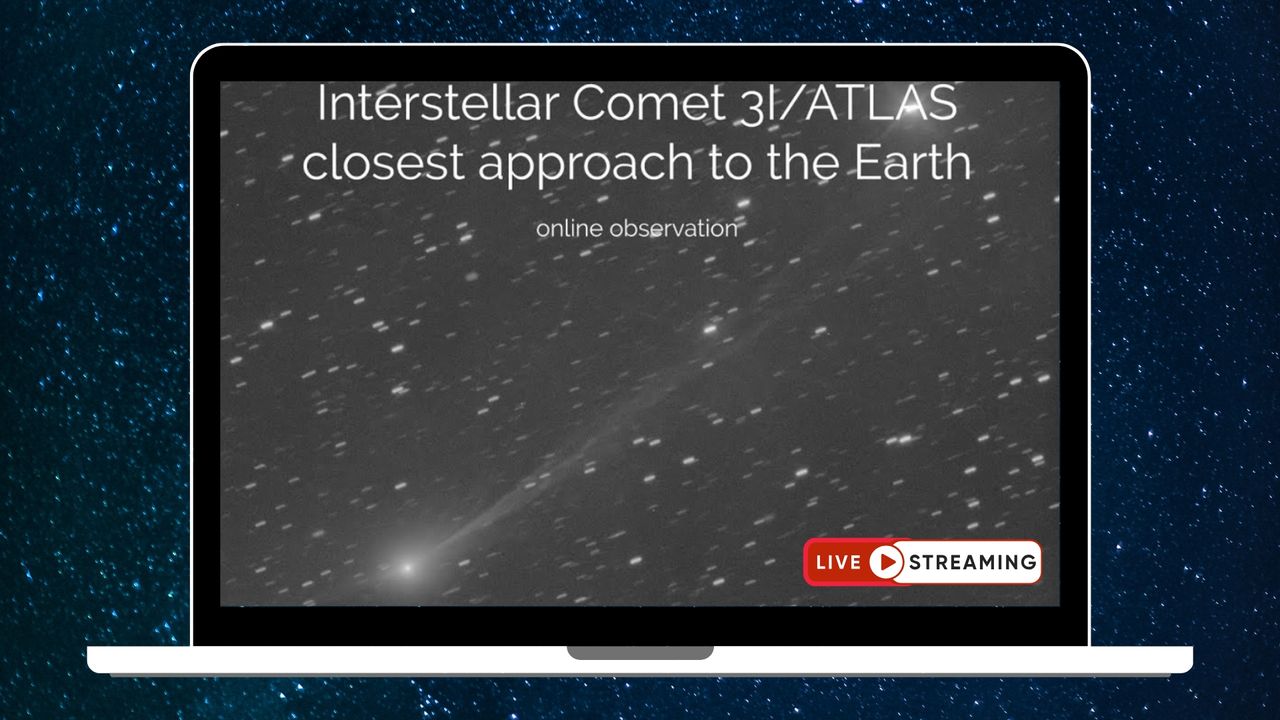
The interstellar comet 3I/ATLAS is set to make its closest approach to Earth tonight, with a free livestream scheduled to begin at 11 p.m. EST on December 18, 2025, weather permitting. This event marks a significant moment for astronomers and space enthusiasts alike as they prepare to observe the comet's features in detail.

Ready to build your own newsroom?

Subscribe to unlock a personalised feed, podcasts, newsletters, and notifications tailored to the topics you actually care about