Interstellar comet 3I/ATLAS makes closest pass of Earth. Where's it heading next?

Live ScienceFriday, December 19, 2025 at 3:37:45 PM
NeutralScience
Interstellar comet 3I/ATLAS makes closest pass of Earth. Where's it heading next?
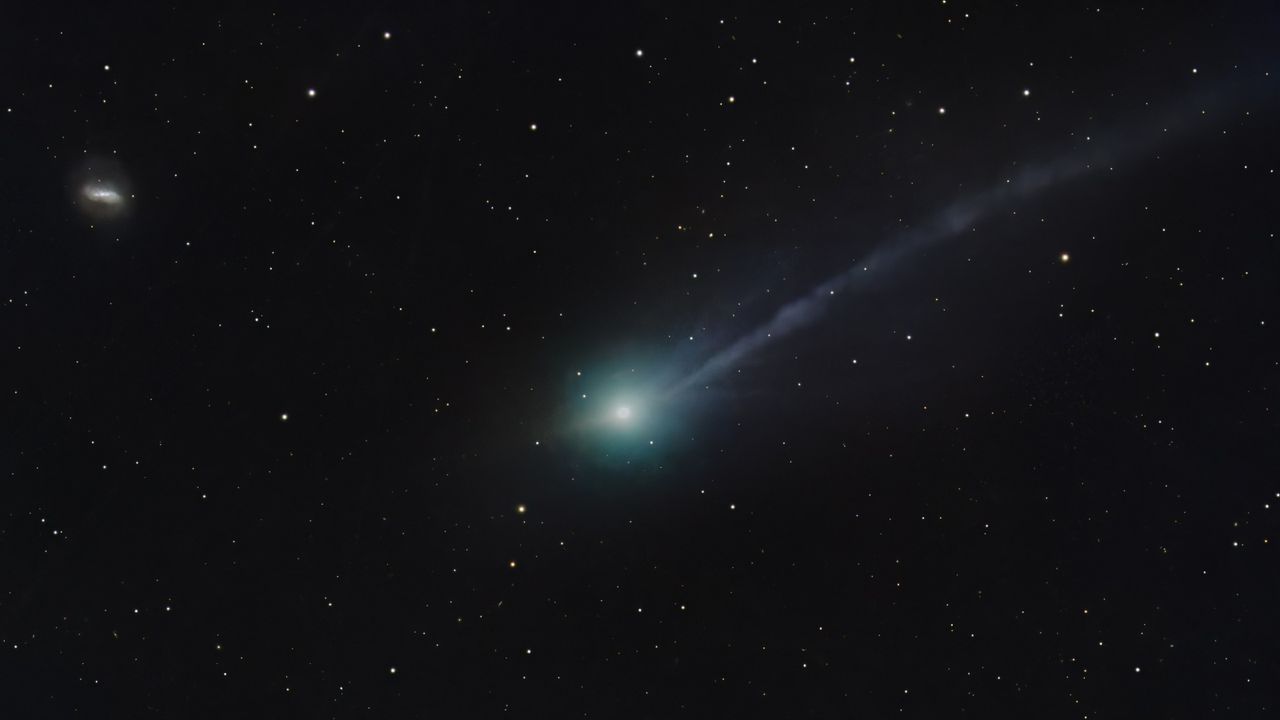
  • The interstellar comet 3I/ATLAS made its closest approach to Earth, coming within approximately 168 million miles (270 million kilometers) of the planet. This event occurred overnight, marking a significant moment for astronomers and space enthusiasts who have been closely monitoring the comet's trajectory.
  • The close encounter provides a unique opportunity for scientists to study the comet's features and behavior as it swings by Earth, following its recent flyby of Mars. This approach is particularly notable as it allows for enhanced observations using telescopes.
  • The passage of 3I/ATLAS highlights the growing interest in interstellar objects and their potential implications for our understanding of the solar system. As astronomers continue to document such celestial phenomena, questions arise regarding the origins and trajectories of these objects, as well as their potential impact on Earth, underscoring the importance of ongoing research in this field.
— via World Pulse Now AI Editorial System


Was this article worth reading? Share it

Continue Readings
Before trips to Mars, we need better protection from cosmic rays
NeutralScience
Before embarking on missions to Mars, researchers emphasize the urgent need for improved protection against cosmic rays, which pose significant health risks to astronauts outside Earth's magnetic shield. Current technologies may not adequately shield space travelers from these harmful radiation levels, necessitating advancements in protective measures.
Earth's seasons vary wildly, even at the same latitude, new research finds
NeutralScience
New research utilizing 20 years of satellite data reveals that Earth's seasons can vary significantly even among locations situated at the same latitude. This finding highlights the complexity of seasonal changes across different geographical areas.
Hubble spots massive sandwich shaped blob in deep-space
NeutralScience
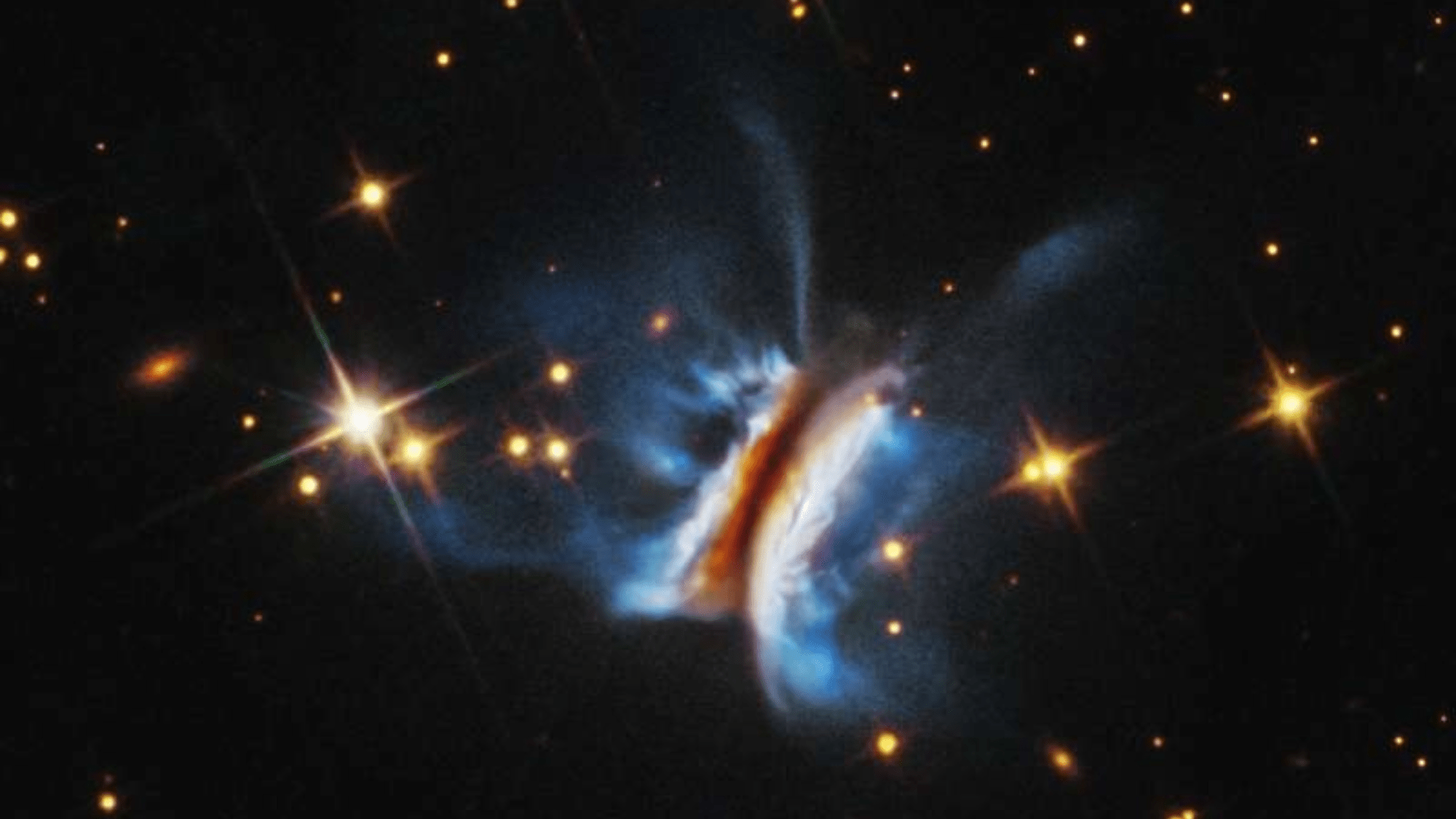
The Hubble Space Telescope has identified a massive, sandwich-shaped blob in deep space, nicknamed Dracula’s Chivito, located approximately 1,000 light-years from Earth. This discovery adds to the growing catalog of unusual cosmic formations observed by Hubble, showcasing the telescope's continued relevance in astronomical research.
Interstellar comet 3I/ATLAS reveals weird wobbling jets in rare sun-facing tail
PositiveScience
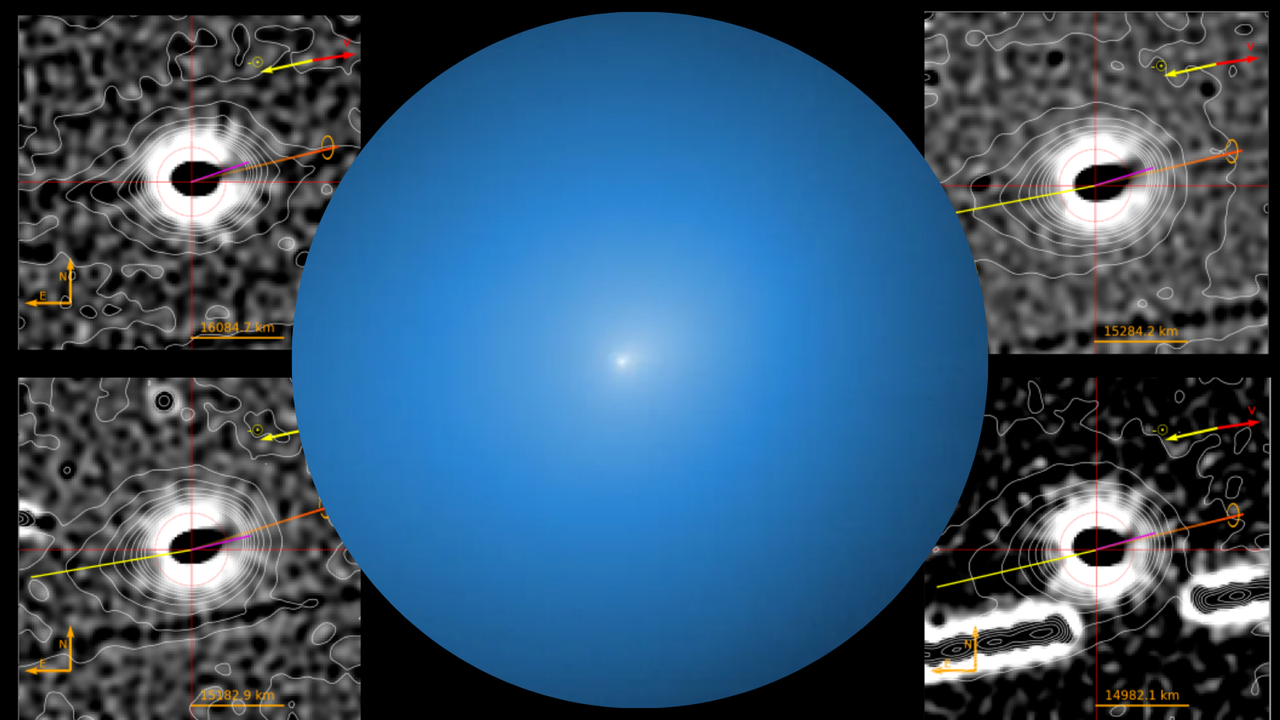
The interstellar comet 3I/ATLAS, having recently moved away from Earth, continues to intrigue astronomers with its unusual wobbling jets in its sun-facing tail. This comet has been observed to exhibit a unique X-ray glow extending approximately 250,000 miles into space, revealing interactions between its gases and solar particles.
How 2025 became the year of comet: The rise of interstellar 3I/ATLAS, an icy Lemmon and a cosmic SWAN
PositiveScience
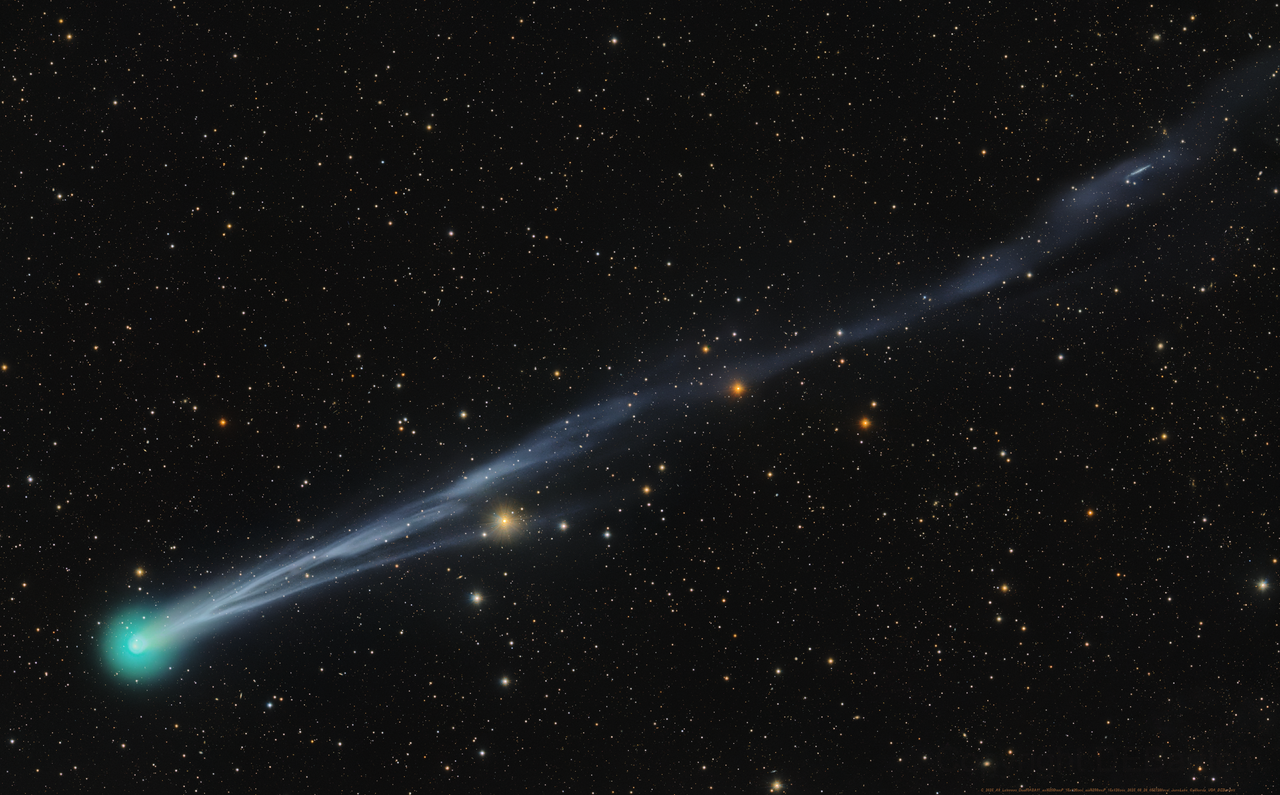
The year 2025 has been marked by significant cometary events, particularly the rise of interstellar comet 3I/ATLAS, alongside other celestial bodies like Lemmon and SWAN, captivating the interest of astronomers and the public alike.

Ready to build your own newsroom?

Subscribe to unlock a personalised feed, podcasts, newsletters, and notifications tailored to the topics you actually care about