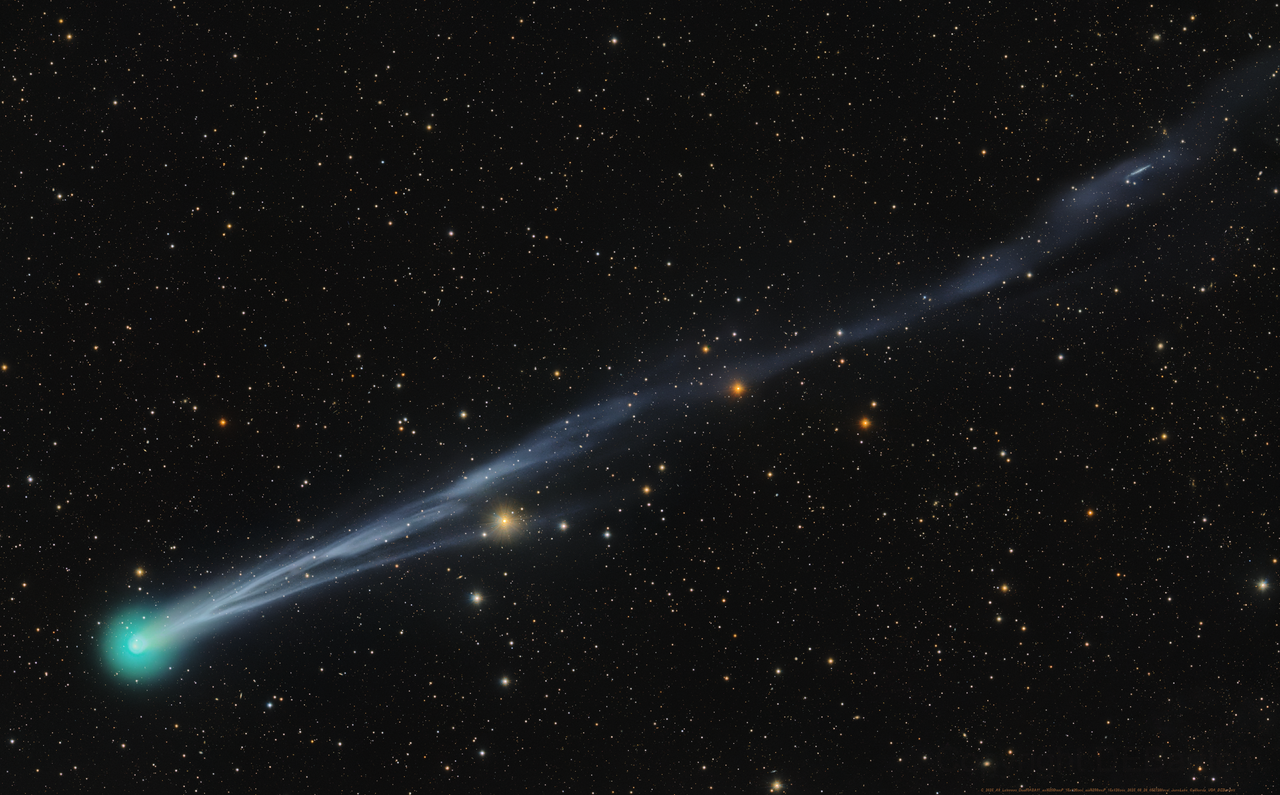
How 2025 became the year of comet: The rise of interstellar 3I/ATLAS, an icy Lemmon and a cosmic SWAN

Space.comTuesday, December 23, 2025 at 2:00:00 PM
PositiveScience
How 2025 became the year of comet: The rise of interstellar 3I/ATLAS, an icy Lemmon and a cosmic SWAN
  • The year 2025 has been marked by significant cometary events, particularly the rise of interstellar comet 3I/ATLAS, alongside other celestial bodies like Lemmon and SWAN, captivating the interest of astronomers and the public alike.
  • The detection of an X-ray glow from 3I/ATLAS, extending 250,000 miles into space, underscores the comet's unique interactions with solar particles, enhancing our understanding of such interstellar objects and their behavior as they travel through the solar system.
  • This surge in cometary activity reflects a growing interest in interstellar phenomena, with NASA's ongoing observations and new imaging techniques providing critical insights into the characteristics of comets, fostering excitement and curiosity in the scientific community and beyond.
— via World Pulse Now AI Editorial System
Was this article worth reading? Share it

Recommended apps based on your readingExplore all apps
Continue Readings
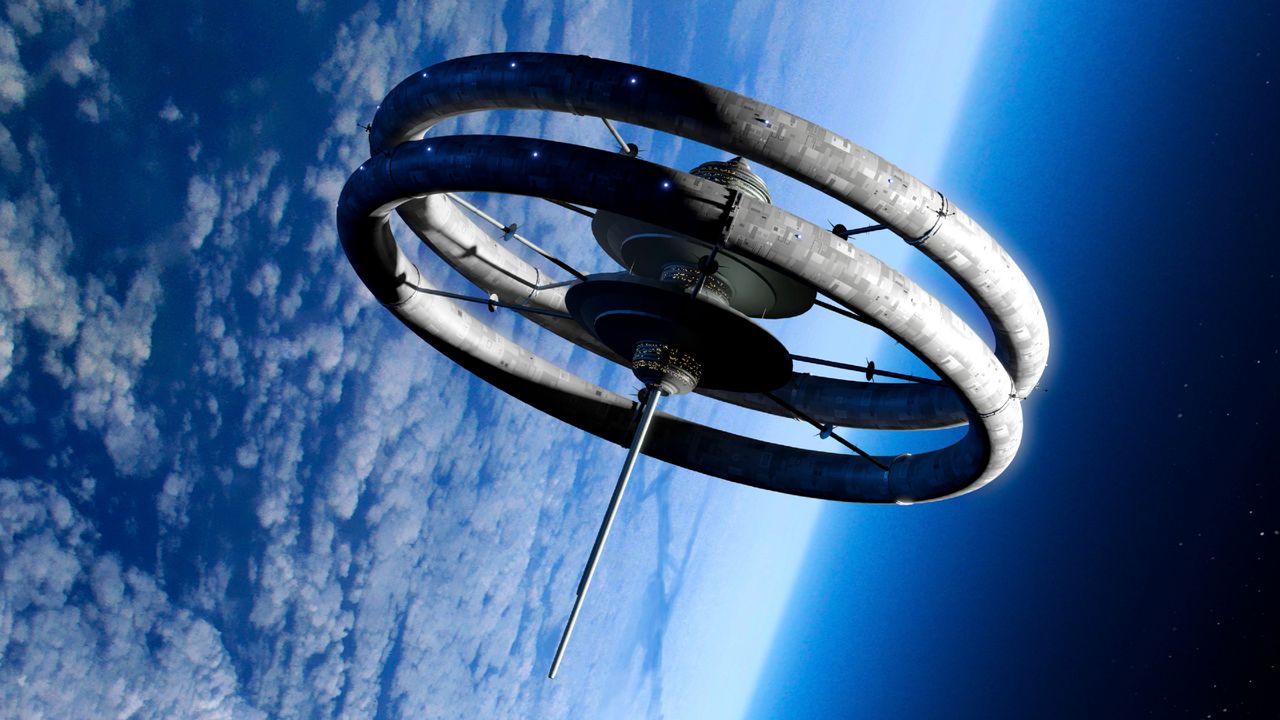
Russia patents space station designed to generate artificial gravity
PositiveScience
Russia has patented a new design for a space station that aims to generate artificial gravity by rotating habitable modules around a central axis, creating centrifugal force to simulate gravity for crew members. This innovative approach could enhance long-duration space missions.
Before trips to Mars, we need better protection from cosmic rays
NeutralScience
Before embarking on missions to Mars, researchers emphasize the urgent need for improved protection against cosmic rays, which pose significant health risks to astronauts outside Earth's magnetic shield. Current technologies may not adequately shield space travelers from these harmful radiation levels, necessitating advancements in protective measures.
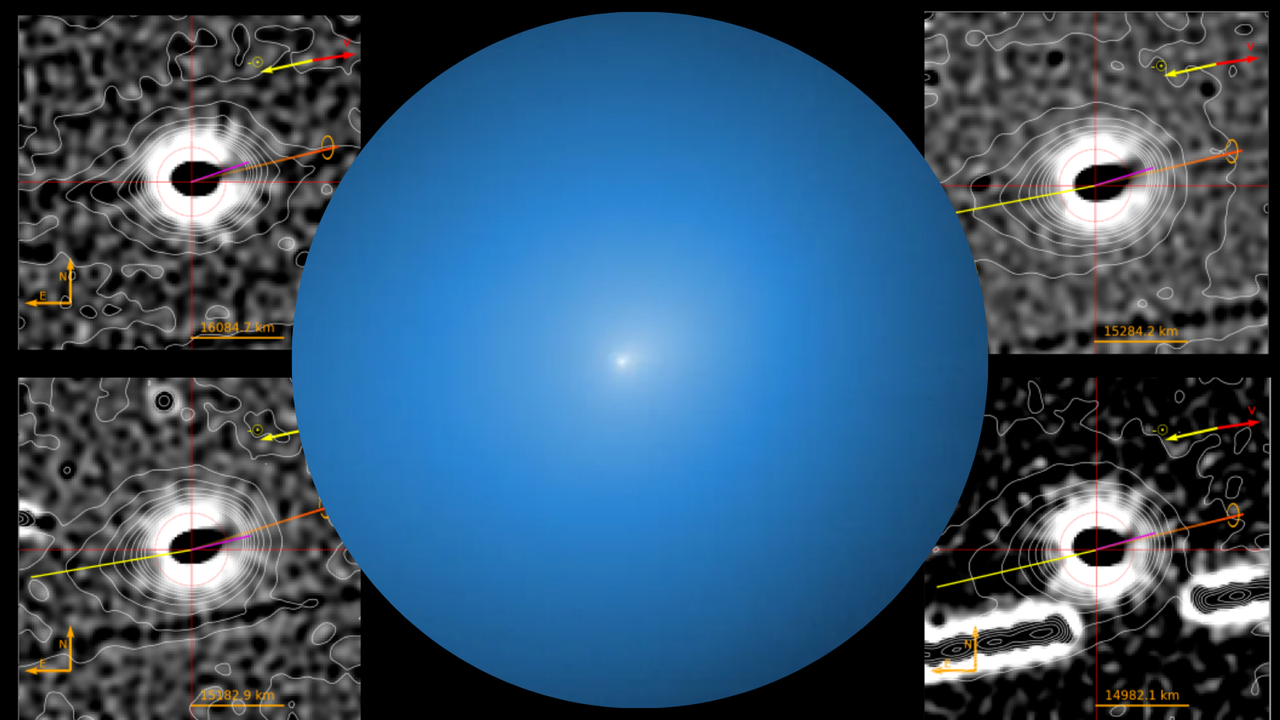
Interstellar comet 3I/ATLAS reveals weird wobbling jets in rare sun-facing tail
PositiveScience
The interstellar comet 3I/ATLAS, having recently moved away from Earth, continues to intrigue astronomers with its unusual wobbling jets in its sun-facing tail. This comet has been observed to exhibit a unique X-ray glow extending approximately 250,000 miles into space, revealing interactions between its gases and solar particles.
We didn't find answers in 2025, but UFO researchers say the search continues
NeutralScience
In 2025, UFO researchers reported that their quest for extraterrestrial life has not yielded definitive answers, emphasizing that the search for understanding continues. Despite advancements in technology and research, the mystery surrounding unidentified flying objects remains unresolved.

Ready to build your own newsroom?

Subscribe to unlock a personalised feed, podcasts, newsletters, and notifications tailored to the topics you actually care about