James Webb telescope does it again: The earliest black hole in the known universe may have been found
PositiveScience
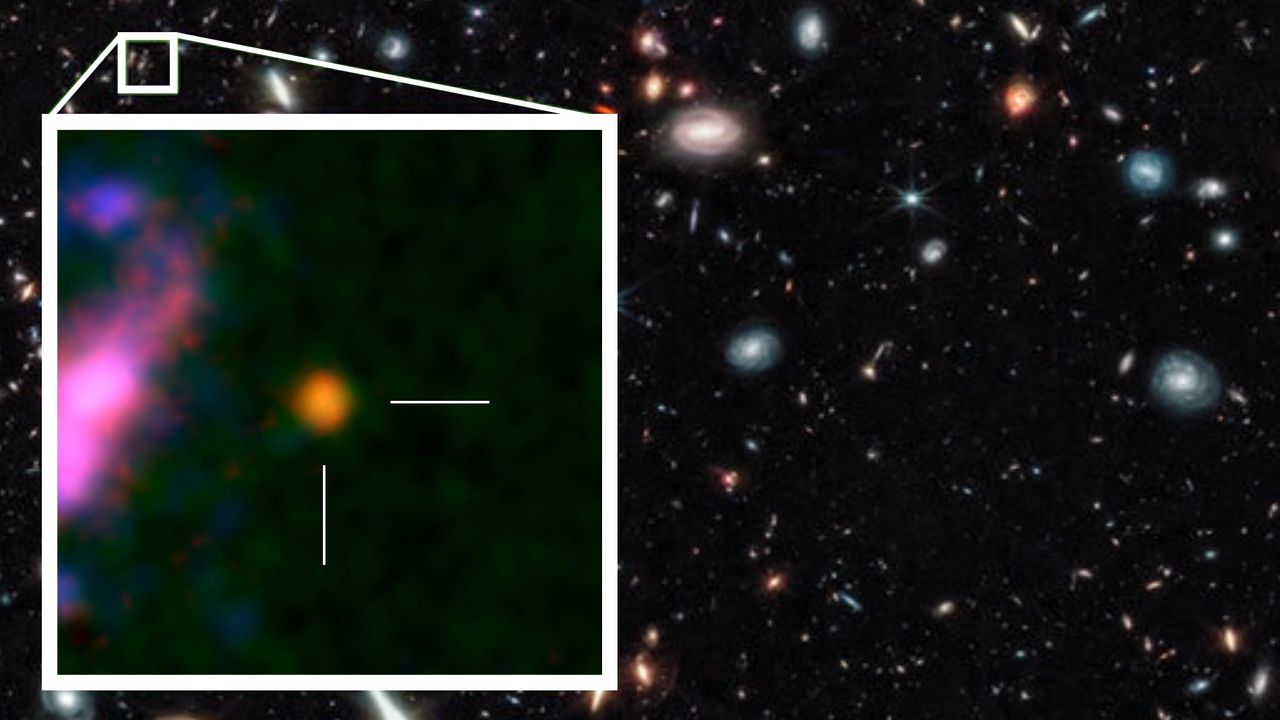
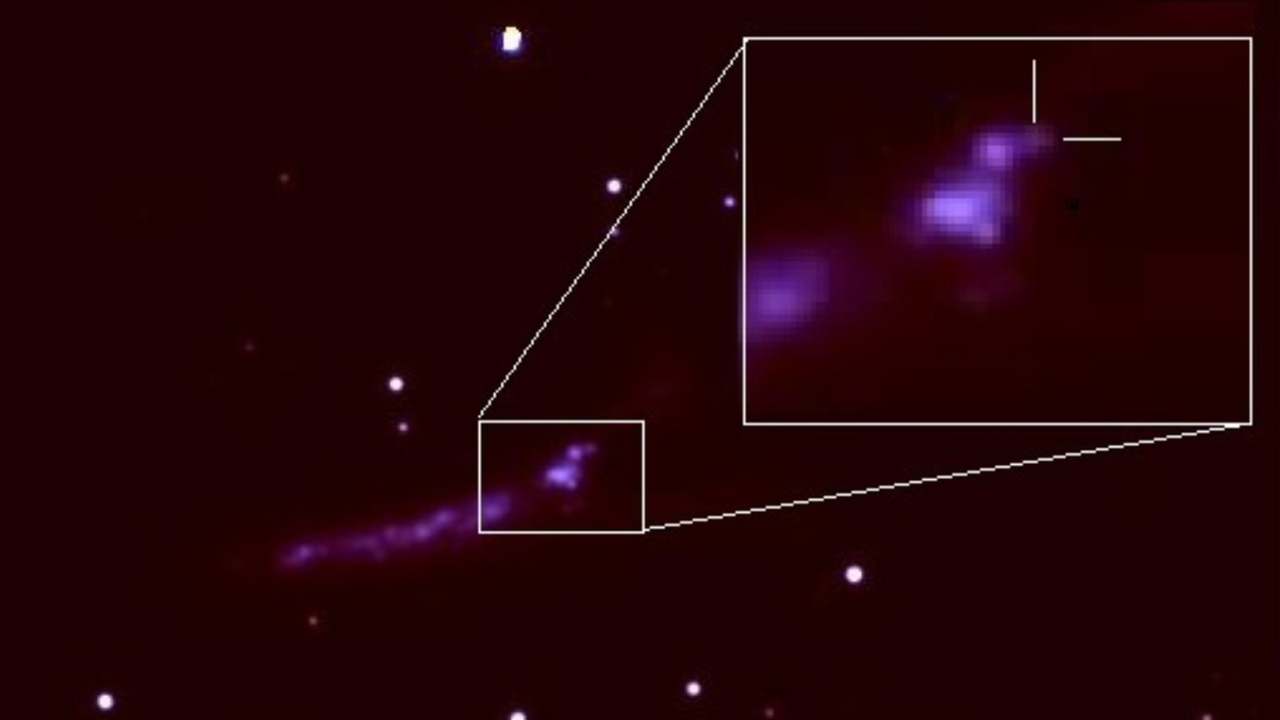
- The James Webb Space Telescope has potentially identified the earliest and most distant known black hole located at the center of galaxy GHZ2, suggesting that black holes began to form just a few hundred million years after the Big Bang. This discovery marks a significant advancement in understanding the early universe and the formation of cosmic structures.
- This finding is crucial as it provides insights into the growth and evolution of black holes in the infant universe, challenging existing theories about their formation and the timeline of cosmic events following the Big Bang. It highlights the capabilities of the James Webb Space Telescope in exploring previously uncharted territories of the universe.
- The detection of this ancient black hole aligns with recent discoveries of other massive black holes and their behaviors, such as flares and jets emitted during star consumption. These findings contribute to a broader understanding of black hole dynamics and their role in galaxy formation, emphasizing the ongoing exploration of cosmic phenomena that continue to reshape our understanding of the universe.
— via World Pulse Now AI Editorial System