China’s AI Power Play: Cheap Electricity From World’s Biggest Grid

The Wall Street JournalThursday, December 11, 2025 at 2:00:00 AM
China’s AI Power Play: Cheap Electricity From World’s Biggest Grid
  • China's government is pushing for energy supremacy, transforming Inner Mongolia into a hub for cheap electricity, which is crucial for the country's growing artificial intelligence (AI) sector. This initiative raises concerns among tech leaders about a potential U.S.-China 'electron gap' in computing capabilities.
  • The development is significant as it positions China to meet the increasing energy demands of its AI industry, potentially enhancing its competitive edge over the U.S. in the global technology landscape.
  • This energy strategy reflects China's broader commitment to diversifying its energy sources, including renewables and traditional power, while the U.S. is also adapting its grid to support a massive AI datacenter boom, highlighting the intensifying competition between the two nations in the AI race.
— via World Pulse Now AI Editorial System

Was this article worth reading? Share it

Recommended apps based on your readingExplore all apps
Continue Readings
Global EV sales growth slowest since Feb 2024 on China plateau, US policy changes
NegativeFinancial Markets
Global electric vehicle (EV) sales growth has slowed to its lowest rate since February 2024, primarily due to a plateau in the Chinese market and recent policy changes in the United States. This decline reflects a significant shift in consumer demand and market dynamics, particularly in China, where car sales have also seen a notable decrease.
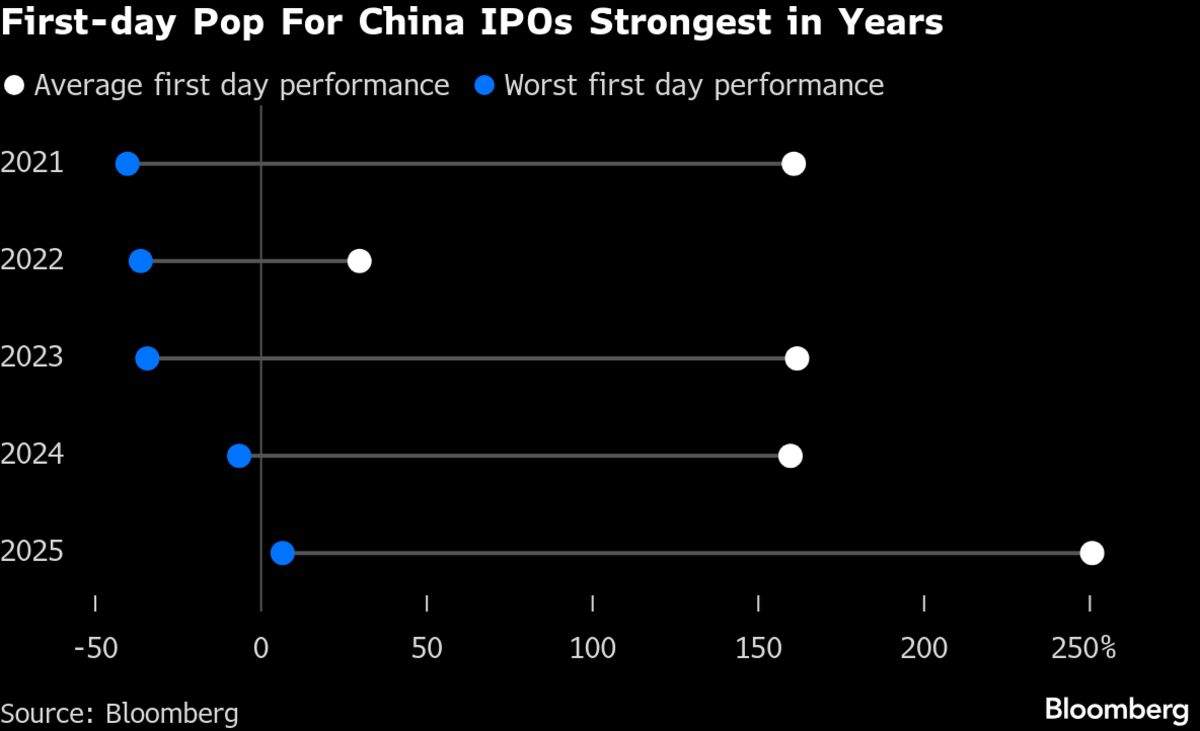
Only 0.02% of Stock Bids Are Awarded in China IPO Market Frenzy
NegativeFinancial Markets
In the current frenzy of China's IPO market, only 0.02% of stock bids are being awarded, making it increasingly difficult for investors to secure shares in new listings. This situation reflects a significant shift in market dynamics, where demand far exceeds supply, leaving many investors frustrated and disillusioned.
The Federal Reserve’s board of governors voted unanimously to reappoint 11 reserve bank presidents to new five-year terms beginning March 1, 2026
NeutralFinancial Markets
The Federal Reserve's board of governors has unanimously voted to reappoint 11 reserve bank presidents for new five-year terms starting March 1, 2026. This decision marks a significant moment in the reappointment process, which has typically been a low-profile administrative task until now.
Crude Futures Settle Lower On Surplus Concerns
NegativeFinancial Markets
Oil futures settled lower as market concerns about oversupply outweighed geopolitical tensions, including the recent U.S. seizure of a sanctioned oil tanker off the coast of Venezuela. This decline follows a previous session where oil prices had seen gains, highlighting the volatility in the market.
U.S. Will Take Oil From Seized Vessel Off Venezuela, White House Says
NeutralFinancial Markets
The U.S. government has announced plans to take oil from a vessel seized off the coast of Venezuela, with the ship expected to head to a U.S. port as investigators interview the crew members. This action reflects the ongoing tensions between the U.S. and Venezuela, particularly amid heightened military presence in the region.
China urged Mexico to rectify “unilateral, protectionist practices,” saying that tariffs of up to 50% announced by the Latin American country harm Chinese interests
NegativeFinancial Markets
Mexico has enacted tariffs of up to 50% on Chinese goods, a move that has sparked significant backlash from Beijing. This decision comes as lawmakers target countries with which Mexico lacks trade agreements, specifically focusing on China amidst ongoing trade tensions.
China signals concern over falling investment
NegativeFinancial Markets
China's Communist Party leadership has expressed concern over declining investment levels, pledging to stabilize this crucial driver of economic growth. This acknowledgment comes amid ongoing economic challenges, including disappointing earnings and a contracting manufacturing sector.
The U.S. trade deficit narrowed to its lowest level in five years in September, U.S. figures show, mostly because investors moved gold back overseas after a run-up in imports of the precious metal
PositiveFinancial Markets
The U.S. trade deficit narrowed to its lowest level in five years in September, primarily due to a reversal in gold imports as investors moved their stockpiled gold back overseas after initial fears of tariffs did not materialize. This shift reflects a significant change in trade dynamics, particularly in the precious metals market.