OpenAI’s partners are carrying $96 billion in debt, highlighting growing risks around the loss-making AI company

FortuneFriday, November 28, 2025 at 12:03:00 PM
OpenAI’s partners are carrying $96 billion in debt, highlighting growing risks around the loss-making AI company
  • OpenAI's partners are currently burdened with $96 billion in debt, raising alarms about the financial stability of the AI company, which has yet to turn a profit. This situation underscores the increasing reliance on debt financing among major players in the AI sector, as they seek to fund ambitious growth plans amidst ongoing losses.
  • The substantial debt load carried by OpenAI's partners highlights significant risks for the company as it navigates its financial future. Investors and stakeholders are concerned about the sustainability of OpenAI's business model, especially given its projected losses and the need for further capital to support its operations.
  • This development reflects a broader trend in the technology sector where companies are increasingly leveraging debt to fuel growth, despite the potential for financial instability. As the AI landscape evolves, the reliance on debt financing raises questions about the long-term viability of such strategies, particularly in light of recent market fluctuations and investor sentiment regarding the so-called 'OpenAI bubble.'
— via World Pulse Now AI Editorial System

Was this article worth reading? Share it

Recommended apps based on your readingExplore all apps
Continue Readings
The housing crisis is also a crisis of hopelessness as young Americans give up, hustle less, spend more and make risky investments as a last resort
NegativeFinancial Markets
The housing crisis in the U.S. has escalated into a crisis of hopelessness, particularly affecting young Americans who are increasingly giving up on traditional homeownership. Many are resorting to risky investments as a last resort to secure financial stability, reflecting a broader trend of desperation in the face of soaring housing costs.
Even college graduates no longer think a degree is worth the cost as the once-safe path to the American dream is now seen as a risky venture
NegativeFinancial Markets
A recent survey reveals a significant decline in the perception of the value of a college degree among Americans, with only 46% believing it is worth the cost, down from 63% in 2013. This shift reflects growing skepticism about the traditional pathway to the American dream, as graduates reassess the financial burdens associated with higher education.
Why the world’s top coffee producer is switching up its beans
NegativeFinancial Markets
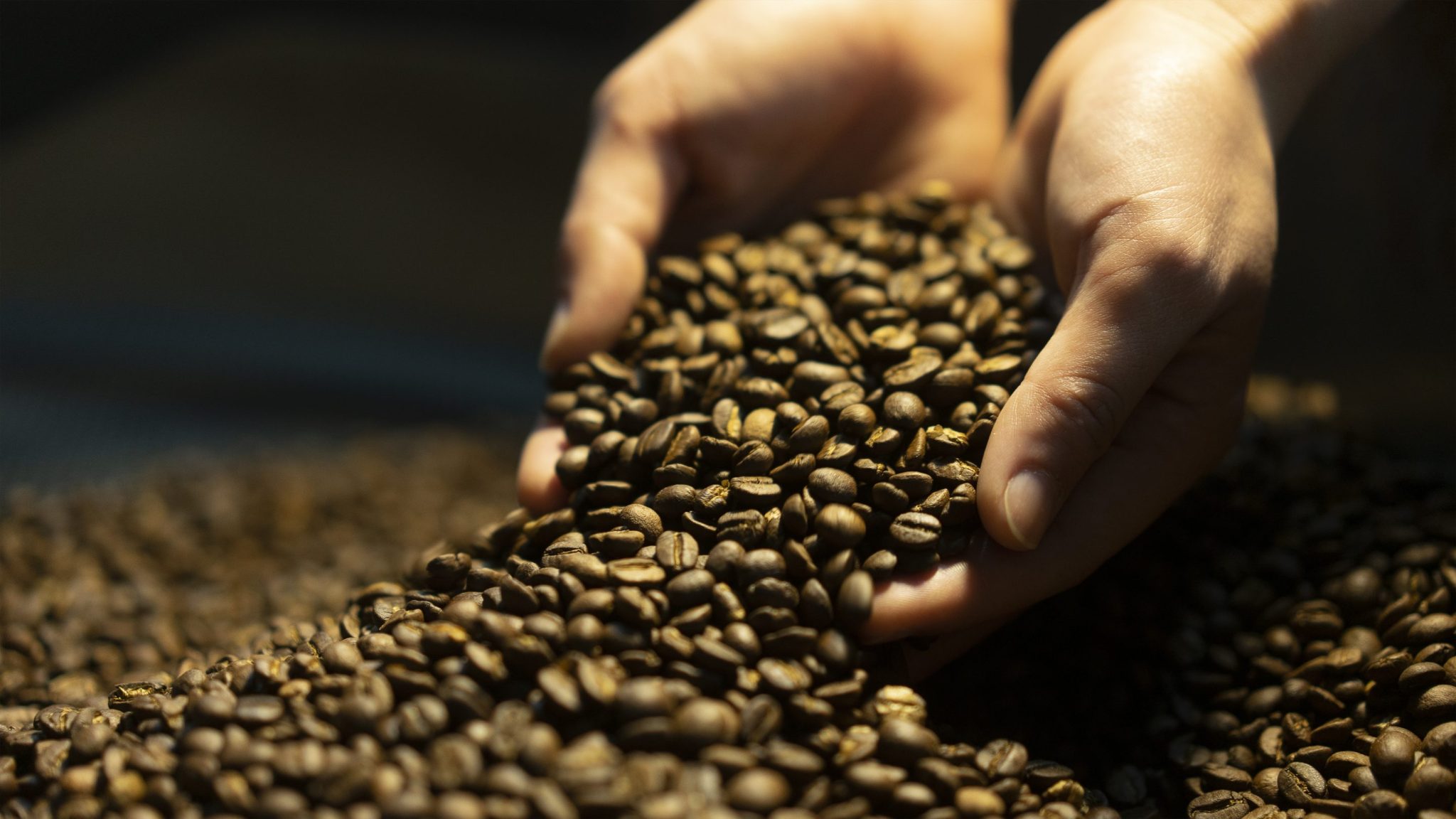
Brazil, the world's largest producer of arabica coffee, is facing challenges due to climate change, prompting a shift in its bean production strategies. The country has traditionally relied on arabica, known for its mild flavor, but changing weather patterns are threatening yields.
Philanthropy isn’t fading. It’s evolving
PositiveFinancial Markets
Catalytic philanthropy is emerging as a vital force in a landscape marked by shrinking aid budgets and increasing crises, according to a recent report by Fortune. This evolution indicates that philanthropy is adapting to meet the challenges of a changing world rather than diminishing in influence.
Harvard professor says leaders have a responsibility to be happy at work because it can affect your stock price
PositiveFinancial Markets
Harvard professor Arthur C. Brooks asserts that leaders have a responsibility to cultivate happiness in the workplace, as it can significantly influence a company's stock price. He argues that happier employees contribute positively to the overall performance of a business, potentially leading to increased financial success.
OpenAI’s lead under pressure as rivals start to close the gap
NegativeFinancial Markets
OpenAI, the company behind ChatGPT, is facing increasing pressure as competitors begin to close the gap in the artificial intelligence market, raising concerns about its future dominance. The company, valued at $500 billion, has yet to achieve profitability, which is further compounded by its partners carrying significant debt.
Lab-grown diamonds are crushing this African economy that was built on natural stones
NegativeFinancial Markets
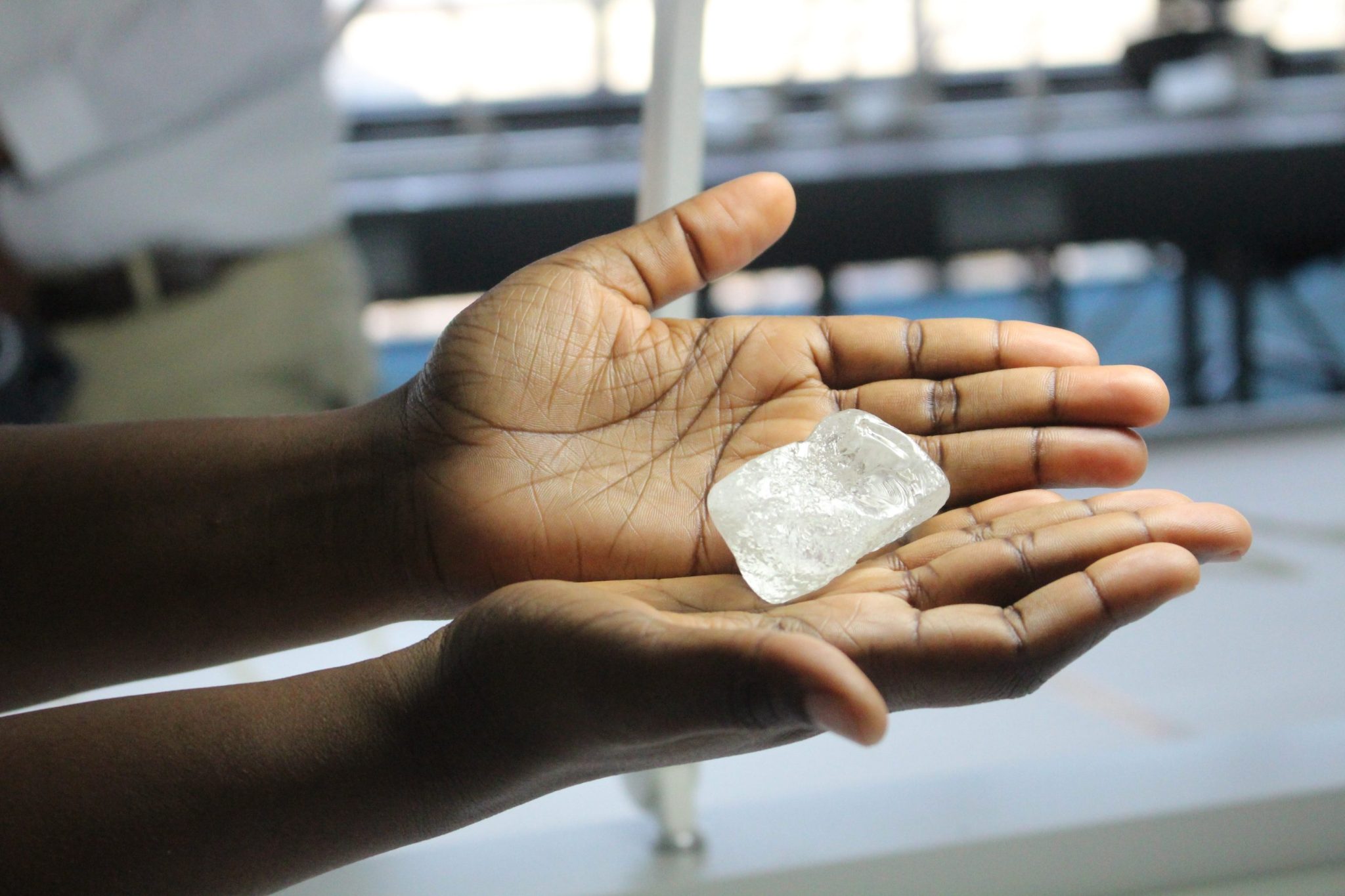
In September, Botswana's national statistics agency reported a 43% drop in diamond output in the second quarter, marking the steepest decline in the country's modern mining history. This significant downturn is attributed to the rising popularity of lab-grown diamonds, which are increasingly competing with natural stones in the market.
Despite their ‘no limits’ friendship, Russia is paying a nearly 90% markup on sanctioned goods from China — compared to 9% from other countries
NegativeFinancial Markets
Despite a declared 'no limits' friendship, Russia is facing a nearly 90% markup on sanctioned goods imported from China, in stark contrast to a 9% markup from other countries. This situation arises as the value of Chinese ball-bearing exports to Russia surged by 76% from 2021 to 2024, even as the quantity of these exports decreased by 13%.