India to continue buying Russian oil if profitable, says Kremlin

Investing.comMonday, December 8, 2025 at 11:09:01 AM
  • The Kremlin has stated that India will continue to purchase Russian oil as long as it remains profitable, highlighting the ongoing economic ties between the two nations despite geopolitical tensions. This announcement comes amid a backdrop of fluctuating oil prices and potential sanctions affecting Russian energy exports.
  • This development is significant for India, which has been importing discounted Russian crude oil, benefiting from lower prices while facing scrutiny from Western nations regarding its support for Russia amid the ongoing conflict in Ukraine.
  • The situation reflects a complex interplay of geopolitical dynamics, as India balances its energy needs with international pressures, particularly from the U.S. and Europe, while Russia seeks to maintain its oil exports despite looming sanctions and the impact of the Ukraine conflict on global oil markets.
— via World Pulse Now AI Editorial System

Was this article worth reading? Share it

Recommended apps based on your readingExplore all apps
Continue Readings
India’s strong growth, tech demand brighten developing Asia prospects, says ADB
PositiveFinancial Markets
The Asian Development Bank (ADB) has highlighted India's robust economic growth and increasing demand for technology as key factors that enhance the prospects for developing Asia. This positive outlook is supported by India's recent economic performance, which has shown resilience despite global trade tensions and challenges.
Retail Traders Feel the Strain as India’s Small Caps Stumble
NegativeFinancial Markets
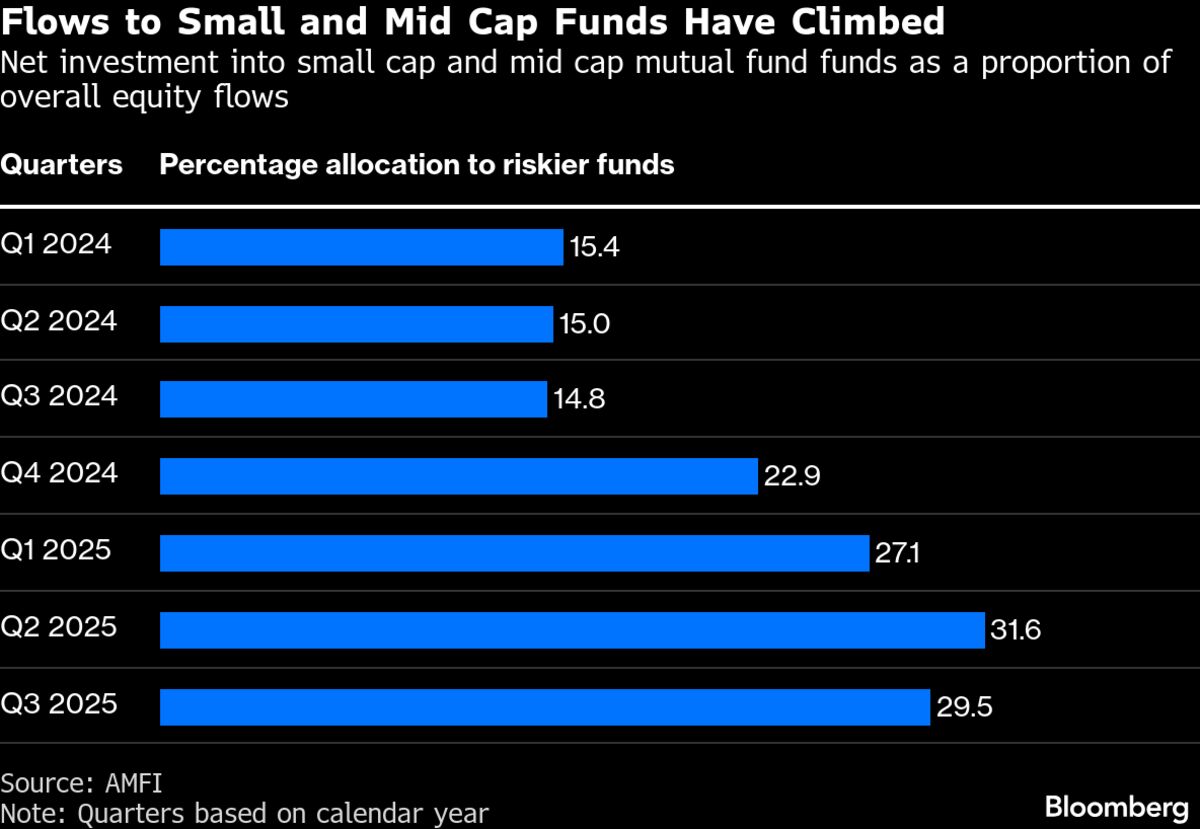
India's small-cap stocks are experiencing significant underperformance compared to larger peers, causing distress among retail investors who heavily engage in this market segment. This downturn reflects broader economic challenges and investor sentiment in the country.
Oil Futures Decline for Second Straight Session
NegativeFinancial Markets
Oil futures have experienced a decline for the second consecutive session, driven by ongoing negotiations aimed at resolving the Russia-Ukraine conflict. The market's focus on these diplomatic efforts has raised concerns about the potential impact on oil supply-demand dynamics, which are already expected to loosen in the coming year.
Oil Futures Decline for Second Straight Session
NegativeFinancial Markets
Oil futures have declined for the second consecutive session as the market remains focused on the ongoing efforts to negotiate a peace deal between Russia and Ukraine. This situation has raised concerns about the potential impact on oil supply-demand dynamics, which are expected to loosen in the coming year.
Major Italian bank winding down Russian operations – Kommersant
NeutralFinancial Markets
UniCredit Group has sold the assets of its leasing company in Russia as part of its strategy to wind down operations in the country. This move aligns with the broader trend of Western financial institutions reducing their presence in Russia amid ongoing geopolitical tensions.
Soft Power Geopolitics: Moscow Shifts Tourism Focus To China & Beyond
NeutralFinancial Markets
Russia is undergoing a significant transformation in its tourism strategy, shifting its focus towards China and other markets as part of a broader geopolitical reorientation. This initiative aims to enhance Moscow's appeal as a tourist destination, moving beyond mere profit motives.
Paramount's hostile bid for Warner Bros is among 'most audacious in history'
NeutralFinancial Markets
Paramount has initiated a $108.4 billion hostile takeover bid for Warner Bros. Discovery, escalating the competitive landscape in the media industry just days after Warner's shareholders accepted a significant deal with Netflix. This move marks one of the most audacious bids in corporate history, as Paramount seeks to assert its dominance in the entertainment sector.
Russia’s hybrid warfare puts Europe to the test
NegativeFinancial Markets
Russia's recent hybrid warfare tactics have raised concerns among European officials, who suspect a strategic escalation rather than mere opportunistic sabotage. This shift in tactics is seen as a direct challenge to European security and stability, particularly in light of ongoing geopolitical tensions.