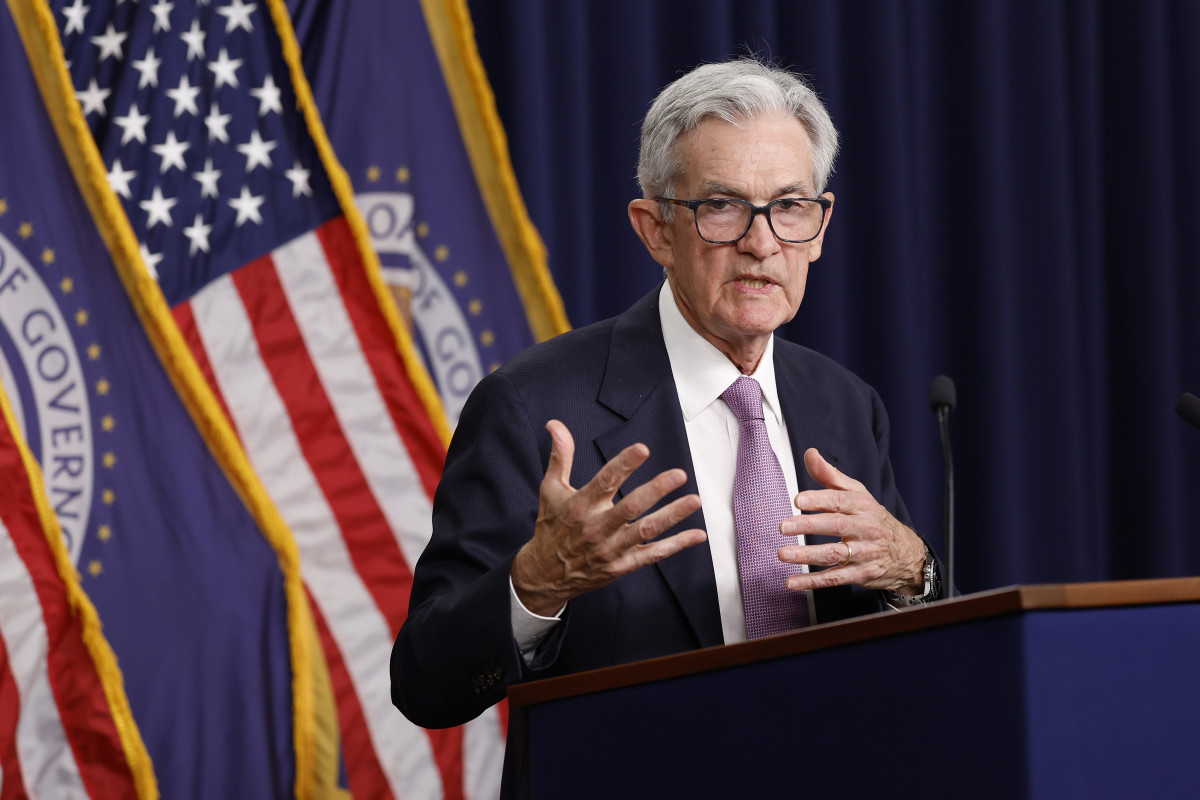
The Everyday Investors Hedging Against an AI Bubble

The Wall Street JournalWednesday, December 10, 2025 at 10:30:00 AM
The Everyday Investors Hedging Against an AI Bubble
  • As the stock market reaches new highs, everyday investors are taking precautions against a potential AI bubble, reflecting a cautious sentiment amidst rising valuations. This trend indicates a growing awareness of the risks associated with rapid advancements in artificial intelligence and its impact on market stability.
  • The actions of these investors are significant as they highlight a shift towards risk management strategies in response to market volatility, particularly in the tech sector where AI plays a pivotal role. This cautious approach may influence future investment decisions and market dynamics.
  • The current landscape reveals a complex interplay between optimism surrounding AI technologies and skepticism regarding their sustainability. Investors are grappling with fluctuations in AI stocks, raising questions about whether the market is experiencing a bubble, while also considering the broader economic implications of AI advancements.
— via World Pulse Now AI Editorial System
Was this article worth reading? Share it

Continue Readings
When AI takes the tasks, managers take the relationships
NeutralFinancial Markets
Leaders are increasingly advocating for the use of AI to automate administrative tasks traditionally managed by human managers, allowing these leaders to focus more on building relationships with their teams. This shift is seen as essential in enhancing team dynamics and overall workplace engagement.
AI is already taking over managers’ busywork—and it’s forcing companies to reset expectations
NeutralFinancial Markets
AI agents are increasingly automating administrative tasks traditionally handled by managers, prompting a shift in managerial roles towards coaching and strategic oversight. However, many organizations are lagging in adapting to these changes.
U.S. Investors Are Going Big on China AI Despite Concerns in Congress
PositiveFinancial Markets
U.S. investors are significantly increasing their investments in Chinese artificial intelligence (AI) companies, despite rising tensions and concerns from Congress regarding technology competition between Washington and Beijing. This trend highlights a strong belief in the potential of China's AI sector.
401(k)s Mint ‘Moderate Millionaires’
NeutralFinancial Markets
Recent reports indicate that 401(k) plans are contributing to a rise in the number of 'moderate millionaires' in the United States, reflecting a significant increase in retirement savings among Americans. This trend highlights the growing importance of 401(k) accounts in personal financial planning.
‘Hawkish’ Fed cut likely as inflation risks limit future easing
PositiveFinancial Markets
The Federal Reserve is expected to announce a cut in interest rates this week, a move that has been anticipated by investors, businesses, and consumers as a response to ongoing inflation risks. This potential cut follows a period of rising stock and bond prices, reflecting market optimism about easing monetary policy.
Is it a bubble?
NeutralFinancial Markets
The rapid growth of demand for artificial intelligence (AI) has led to speculation among investors, raising questions about whether the current market dynamics represent a bubble. The unpredictable nature of AI demand has prompted concerns about the sustainability of investments in this sector.
Cyber Startup Saviynt Raises $700 Million to Secure Identity and Access
NeutralFinancial Markets
Cyber startup Saviynt has successfully raised $700 million to enhance its identity and access security solutions, reflecting the increasing demand for robust security measures as businesses integrate artificial intelligence (AI) into their operations. This funding will enable Saviynt to expand its capabilities in securing identities and managing access for both human employees and software robots.
Is AI in recruitment a 'race to the bottom'?
NeutralFinancial Markets
The integration of artificial intelligence (AI) in recruitment processes has enabled jobseekers to apply for numerous positions simultaneously, while employers utilize AI to streamline candidate filtering. This dual use of AI raises concerns about the implications for job quality and employment practices.